Key takeaways:
- The infected elk was harvested on a game ranch in Pecos County, Texas.
- Federal and Texas officials are increasing wildlife surveillance and modifying an existing infested zone.
- The wildlife detection follows a June case in a Texas calf; The Guardian reported dozens of U.S. cases this year.
The United States has confirmed its first case of New World screwworm in wildlife, finding the flesh-eating parasite in an elk on a Texas game ranch, the Department of Agriculture said Wednesday.
A hunter reported the elk after harvesting it in Pecos County, according to the USDA’s Animal and Plant Health Inspection Service. The discovery has prompted the USDA and the Texas Parks and Wildlife Department to conduct additional wildlife surveillance in the area. The Texas Animal Health Commission will also modify a previously established infested zone.
“We encourage all hunters and landowners to be vigilant for signs of New World screwworm while they are out in the field this season,” Texas wildlife division director Alan Cain said in a statement quoted by The Guardian.
Officials urged hunters to report suspected infestations immediately. Warning signs include visible maggots in wounds, foul-smelling or enlarging injuries, and animals that appear weak or distressed. Infestations can also occur around the nose, mouth, ears, eyes or genital areas.
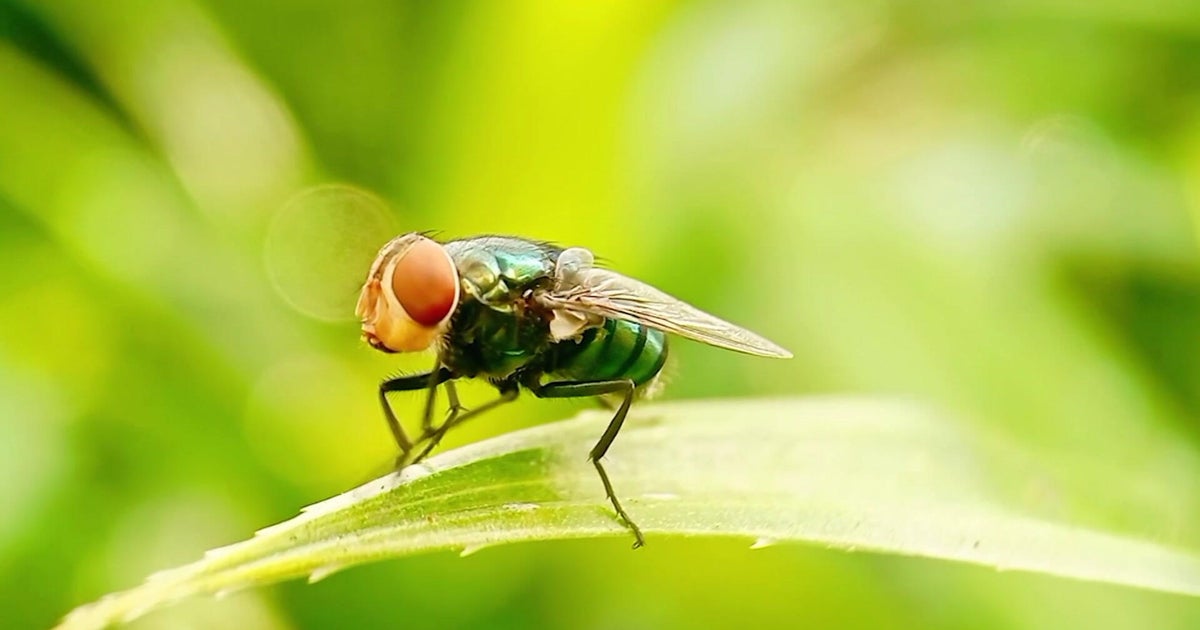
New World screwworm is a parasitic fly that lays eggs in open wounds or body openings of warm-blooded animals. After hatching, its larvae feed on living tissue, according to the Centers for Disease Control and Prevention. It can infect livestock and, in rare cases, humans. The USDA says the parasite does not affect food safety, but it can affect meat production, CBS News reported.
The wildlife case follows the USDA’s confirmation in June of screwworm in a 3-week-old Texas calf. The Guardian identified the calf’s location as Zavala County, near the U.S.-Mexico border, and reported that dozens of U.S. cases have been detected this year, including cases in a horse and a dog.
Typically found in South America and parts of the Caribbean, the parasite has spread north through Central America and Mexico in recent years. It was eradicated from the United States decades ago, The Guardian reported.
The Guardian reported that the United States halted livestock imports from Mexico last year to keep screwworm out, then resumed trade in August at an Arizona port under a phased reopening plan. The import halt tightened U.S. cattle supplies and pushed beef prices to record highs for American consumers, the newspaper reported.
CBS News reported that the first human case in the United States was confirmed last year. The patient recovered, and officials found no evidence of further transmission.









Be First to Comment