Key takeaways:
- WFP is reducing the number of people receiving monthly assistance in Gaza by 500,000, to 1.1 million.
- Community kitchens will provide 150,000 hot meals a day, down from 250,000.
- WFP says it needs $450 million to maintain critical operations over the next six months.
The World Food Programme is cutting food assistance for about 500,000 people in Gaza after a funding shortfall, reducing hot meals and monthly rations as winter approaches and many families remain dependent on aid.
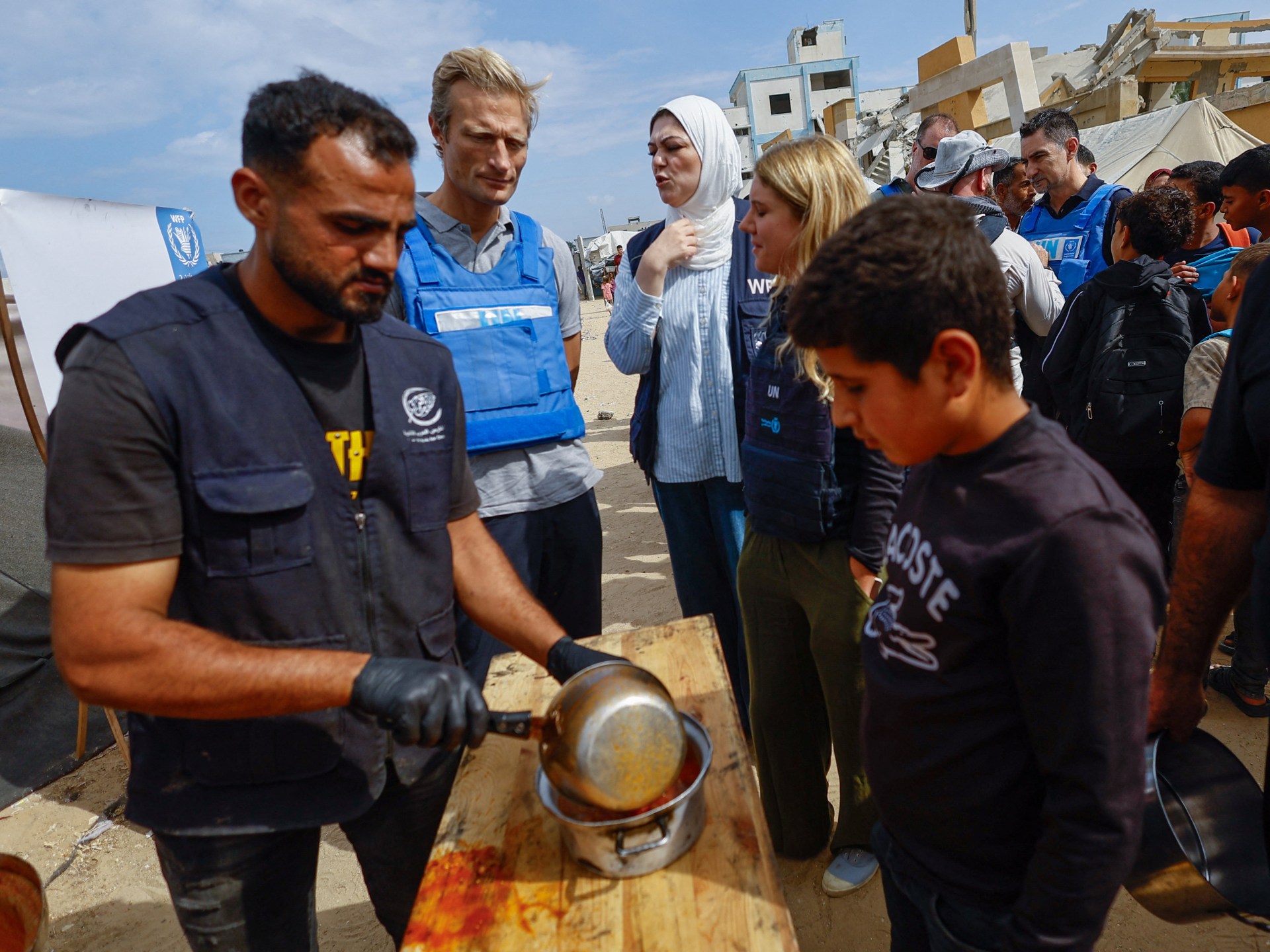
The United Nations agency said the number of people receiving its monthly assistance will fall from 1.6 million to 1.1 million. It will provide 150,000 hot meals a day through community kitchens, down from 250,000. Families in hard-to-reach areas, including near the so-called Yellow Line marking the area of Israeli military control, will receive a meal every other day rather than daily.
WFP received less than half as much funding for its Palestinian operations in 2026 as in previous years. It says it urgently needs $450 million to sustain critical operations over the next six months. The cuts are a consequence of finances, not falling need or a lack of access, WFP Palestine director Shaun Hughes told the BBC.
The agency will also reduce monthly distributions of flour and food boxes from 1.1 million recipients to 600,000, the BBC reported. According to Al Jazeera, families receiving rations will get one food parcel instead of two, and flour bags will be smaller. Reductions in cash transfers to about half a million people have been in place since July, leaving them with less to spend in local markets, the BBC reported.
For families relying on community kitchens, the change is immediate. “Sometimes we wait for these meals to eat,” Mervat al-Satari, a displaced mother of five in the al-Mawasi area of Khan Younis, told the BBC. “What will we do with these reduced rations? How will we provide for the little ones?”
Sawsan Bahloul, a mother of three in the same area, told the BBC that kitchen portions were already too small for her family. “The daily aid was somehow ticking the box but now it will be every two days,” she said.
Nearly all of Gaza’s 2.1 million residents remain displaced, and about two-thirds rely on food aid to survive, according to the BBC. An estimated 1.4 million people are expected to face crisis or worse levels of acute food insecurity from July through December 2026, the BBC reported, citing a July assessment by food-security experts. Al Jazeera reported that the figure had fallen from 1.6 million at the end of 2025, but WFP described the improvement as “modest and fragile.”
Markets have food, but many residents cannot afford it. More than 80% of people in Gaza are unemployed, according to figures cited by both outlets. Hughes told the BBC that cuts would compound the hardship of families living in tents or without reliable access to water, sanitation and healthcare.
For now, WFP says it can continue supporting bakeries that supply a third of Gaza’s bread needs, provide nutritional assistance to about 300,000 women and children, and deliver fortified snacks to some 200,000 children, the BBC reported. In the occupied West Bank, the agency continues to assist about 200,000 Palestinians after halving the number of recipients in September.








Be First to Comment