Key takeaways:
- Burnham is the first UK prime minister to publicly say Russia interfered in the 2016 Brexit referendum.
- Burnham provided no evidence or details about the nature or extent of the alleged interference.
- A 2020 parliamentary report reached no definitive conclusion on Russian efforts to influence the Brexit vote and criticised the government's response to the threat.
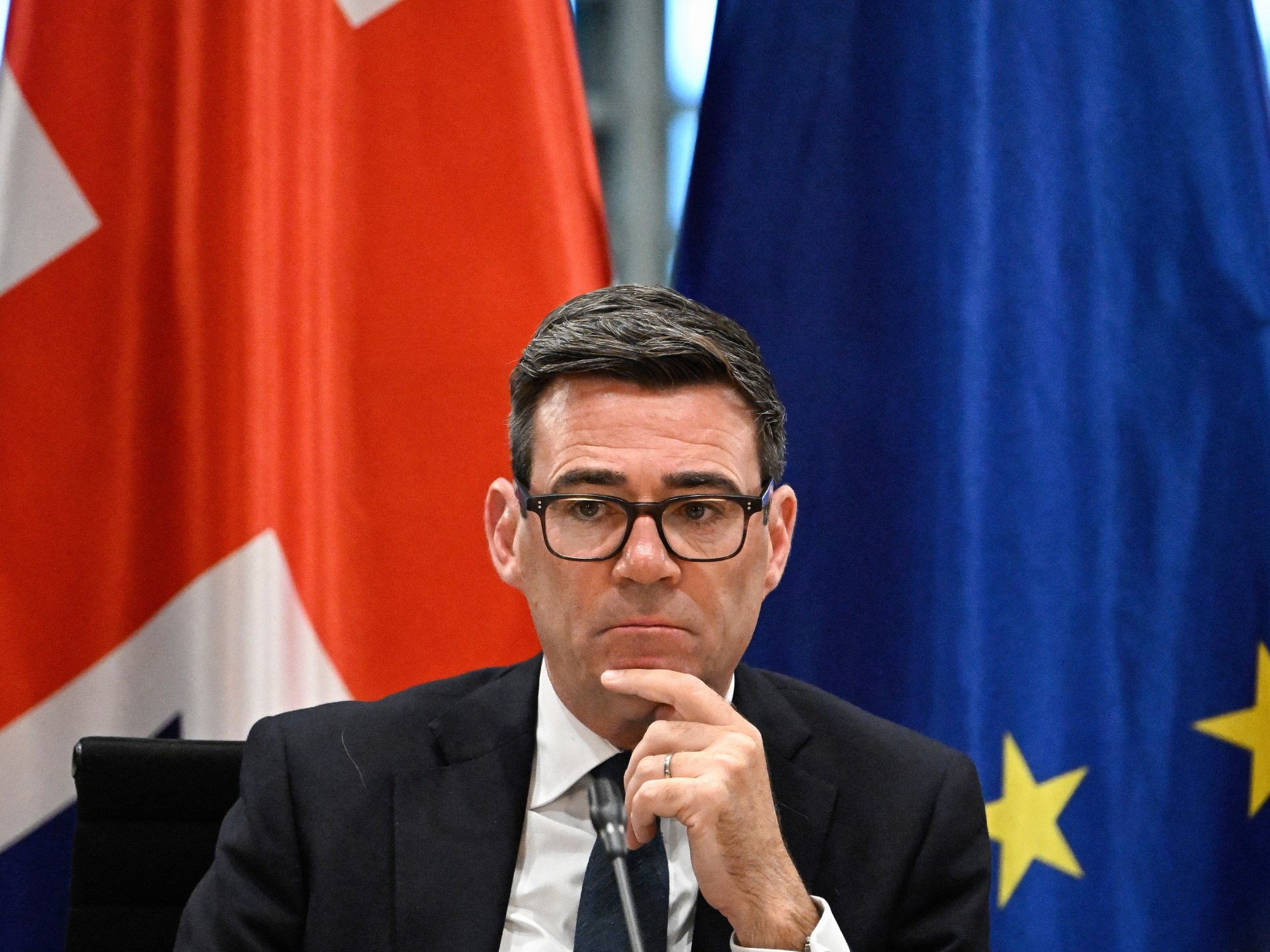
British Prime Minister Andy Burnham says Russia interfered in the 2016 Brexit referendum, the first time a UK prime minister has publicly made that claim. He offered no details about what Moscow did or how extensive its activity was.
“I asked the question coming to Downing Street: Was there interference in the 2016 referendum from Russia? And I’ve had the clear answer that yes, there was,” Burnham told The Rest Is Politics podcast.
Burnham said Britain had been “too much on the back foot” in explaining attempts to disrupt its politics from abroad. “We haven’t informed people sufficiently about the extent to which people are seeking to disrupt the political process from overseas,” he said.
He also warned voters in France and Germany about Russian activity. Burnham said he had discussed interference with German Chancellor Friedrich Merz during a visit to Germany and described “misinformation, disinformation that is emanating from Russia into German politics.” Al Jazeera reported that the leaders also discussed possible links between Russia and the far-right Alternative for Germany party.
“These things are important now to put clearly on the record and I believe help voters in Germany and France understand that some of this politics is instigated via our enemies, namely Russia,” Burnham said.
The pro-Brexit group Britain Unbound called his remarks “another crude attempt to undermine the legitimacy of the decision that the British people made in 2016.” The group said foreign interference in UK elections was “obviously unacceptable” but argued there was “no good reason to believe that Russian intervention influenced the outcome of the referendum in 2016.” It added: “It is also insulting to suggest that voters were so easily duped.”
A 2020 report by Parliament’s Intelligence and Security Committee did not reach a definitive conclusion on whether Russia tried to influence the Brexit referendum. It criticised successive governments for failing to fully assess or counter the threat. Al Jazeera reported that the committee found the UK government had not requested a deep assessment of interference in the 2016 vote and that the report confirmed Russian meddling in the 2014 Scottish independence referendum.
Russia has repeatedly denied interfering in other countries’ elections. In response to the committee’s report, Russia’s foreign minister dismissed it as “Russophobia,” while a Kremlin spokesman said Russia did not meddle in other countries’ votes.
The then-Conservative government said in 2020 that it was “almost certain that Russian actors sought to interfere” in the 2019 UK general election. The BBC has tracked Russian-linked disinformation campaigns that used artificial intelligence to produce fake videos impersonating journalists and news organisations. Earlier this year, UK Electoral Commission chief Vijay Rangarajan told lawmakers Russian deepfake videos had been “used extensively in elections around the world,” adding: “There is no reason to assume Britain would be an exception.”
At the United Nations last month, Burnham accused Russian agencies of using “every means at their disposal to spread lies and disinformation and prey on people’s fears.” He announced a new UK centre intended to “stem the poisonous tide” of disinformation. Downing Street said the government was strengthening its security powers and the resilience of public institutions.


Be First to Comment