Key takeaways:
- ICE signed a $16.7 million contract in August to purchase 6,000 pairs of electric-shock gloves after its leaders learned of the Army study.
- Participants in an October 2024 Army exercise stopped resisting within seconds of being shocked and reported soreness and fear of further shocks.
- ICE says the gloves could help officers de-escalate encounters, while a watchdog group and Democratic senators are seeking answers about safety and safeguards.
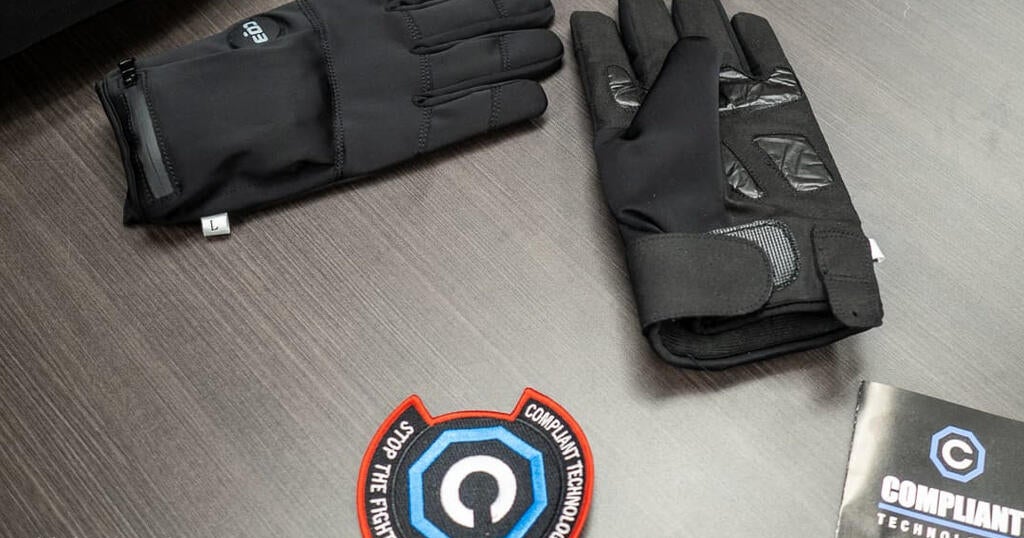
A previously unreleased Army study found that electric-shock gloves purchased by U.S. Immigration and Customs Enforcement caused intense pain and immediate compliance during an exercise at a military prison. ICE leaders knew of the findings before signing a $16.7 million contract in August for 6,000 pairs, according to records obtained by the watchdog group American Oversight and shared with The Associated Press.
The October 2024 exercise at Fort Leavenworth, Kansas, involved Army employees playing combative prisoners. Several were large-statured men. They stopped resisting within seconds of being touched with the gloves and afterward reported “fatigue, soreness and excessive apprehensiveness to being shocked again,” the study said.
“After experiencing the effects of the GLOVE… participants stated just seeing the GLOVE was enough to make them want to comply,” its authors wrote.
The gloves are made by Compliant Technologies. According to The Guardian, the brand name G.L.O.V.E. stands for Generated Low Output Voltage Emitter. ICE obtained the study and other documents and released them to American Oversight as part of the group’s Freedom of Information Act lawsuit seeking records on the agency’s use of force.
Researchers tested whether the gloves could help guards remove combative prisoners from cells, respond to disturbances in common areas and transport uncooperative inmates. Employees acted out encounters with and without the gloves, including scenarios in which those playing inmates fought as hard as they could.
The gloves shortened physical encounters during forced cell removals and disturbances, reducing guards’ exhaustion and preventing injuries, the study found. They did not significantly reduce the time needed to control inmates during escorts, though guards needed less effort. “Inmate compliance was immediate” compared with other methods, the study said.
Unlike a Taser, the gloves do not freeze the body. The study said they cause pain by “overloading the peripheral nerve endings” in the skin. Participants with wet or oily skin reported stronger shocks; one said discomfort lasted 30 minutes.
ICE calls the gloves “distraction and de-escalation devices.” It says they could provide a safer way to subdue people targeted for arrest or deportation and protesters involved in disturbances, protecting officers and reducing the need for potentially lethal force. But Chioma Chukwu, American Oversight’s executive director, said the study “does not establish that they are safe.” The manufacturer warns against using the gloves on high-risk groups, including children, pregnant women and disabled people, according to CBS News.
The Guardian reported that the widow of a 43-year-old man is suing authorities after he died following what she alleges were 40 shocks from a combination of the gloves and a Taser at a Kentucky county jail.
The contract calls for delivery within six months. CBS News reported that the $16.7 million deal includes support equipment and services, while the gloves themselves cost $2,495 each. White House border czar Tom Homan has said it could “be a while” before agents use them because ICE is working through training and policy questions. ICE did not address the study or rollout in a statement but said its officers are highly trained in de-escalation.
Sen. Catherine Cortez Masto said ICE has not answered an Aug. 27 letter from her and 15 other Democratic senators seeking details on the gloves’ use and safeguards against abuse. “The American public is being left in the dark,” she said.







Be First to Comment