Key takeaways:
- The final coalition forces and equipment left Erbil Air Base on Wednesday, ending Operation Inherent Resolve in Iraq.
- About 100 British personnel were among those who departed, according to the BBC.
- The United States says it will continue targeted training and intelligence support for Iraqi forces.
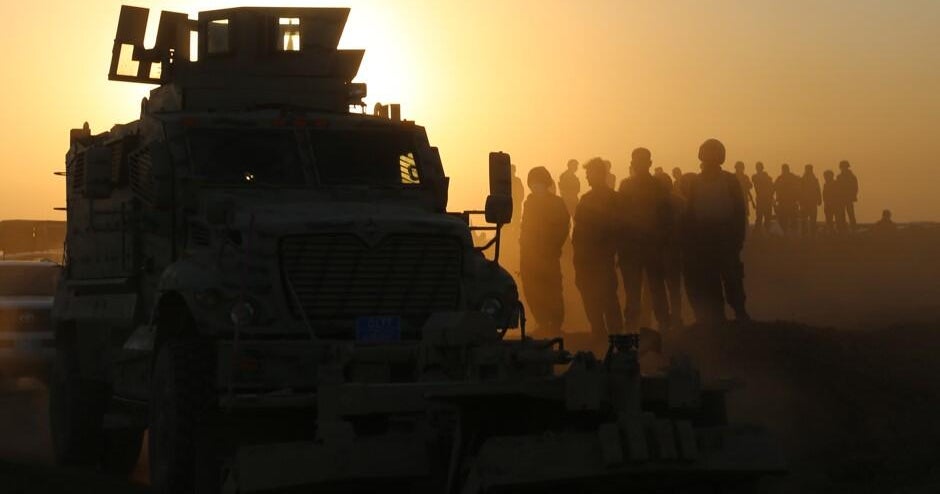
The last U.S. and British troops have left Iraq, ending the U.S.-led coalition mission launched in 2014 to fight the Islamic State group and handing primary responsibility for the country’s security to Iraqi forces.
The final coalition forces and equipment departed Erbil Air Base in northern Iraq on Wednesday under a withdrawal agreement with Baghdad. About 100 British personnel were among those who left, according to the BBC. The U.S. military declared Operation Inherent Resolve in Iraq over.
“The orderly departure of Coalition forces and equipment from Erbil Air Base marks the successful conclusion of the military mission that defeated ISIS in Iraq,” Pentagon spokesman Sean Parnell said. He described the change as a shift from a wartime coalition to an Iraqi-led effort supported by a bilateral security relationship.
Iraqi Prime Minister Ali al-Zaidi said the mission’s end marked “Iraq’s transition to a phase in which it assumes full responsibility for its security and stability.” Iraq is marking the withdrawal with a Sovereignty Day holiday, though reports differed on its length: CBS News reported a three-day holiday beginning Sept. 30, while the BBC reported four “Sovereignty Days.”
The coalition deployed after Islamic State seized large areas of Iraq and neighboring Syria. Iraq declared the group militarily defeated in 2017, but foreign troops stayed to help prevent its return. A recent U.N. report estimated that sustained pressure from Iraqi forces had left the group with several hundred fighters in Iraq capable of only “unsophisticated operations,” according to the BBC.
The 2024 U.S.-Iraqi agreement set out a transition away from the multinational coalition. Roughly 2,000 Americans were in Iraq as of February, officials said at the time, according to CBS News. The British Ministry of Defence said U.K. personnel had helped train and support more than 111,000 Iraqi security personnel, including more than 21,000 Kurdish Peshmerga fighters, and that the Royal Air Force had struck more than 2,300 Islamic State targets.
The withdrawal does not end the threat from Islamic State or the challenge posed by Iran-backed militias. Two U.S. soldiers and a translator were killed in an Islamic State attack in December 2025, the U.S. military said, prompting retaliatory airstrikes. According to the Pentagon, Iran-affiliated militias carried out more than 600 attacks against U.S. citizens and facilities between February and April 2026. Militias have also targeted the Erbil base during the U.S. and Israel’s war with Iran.
Zaidi has pledged to disarm Iran-backed factions. He told The New York Times this week that he now expects them to be disbanded by June 2027, after initially setting a September 2026 deadline, CBS News reported. Saman Noah, a journalist and regional political analyst, told CBS News that many Iraqis doubt the government can control armed groups operating outside its authority.
Parnell said Iraqi security forces, including the Peshmerga, would lead the effort to suppress Islamic State remnants. The United States will continue targeted training and intelligence support, he said. U.S. Central Command said the coalition’s joint task force remains operational from Jordan, while the BBC reported that the Royal Air Force is expected to continue missions over Syria.


Be First to Comment