Key takeaways:
- Iran proposed restoring normal passage through the Strait of Hormuz within seven days as part of an agreement to end the conflict.
- Trump said he rejected the proposal; Iran’s foreign minister said no official rejection had reached Iran through mediators.
- Iran seeks the release of frozen assets and the ability to sell oil, while U.S. Ambassador Mike Waltz says the proposal demands concessions before negotiations.
Iran said Sunday it remained open to diplomacy with the United States but was prepared to fight again after President Donald Trump rejected its proposal to reopen the Strait of Hormuz as part of an agreement to end the conflict.
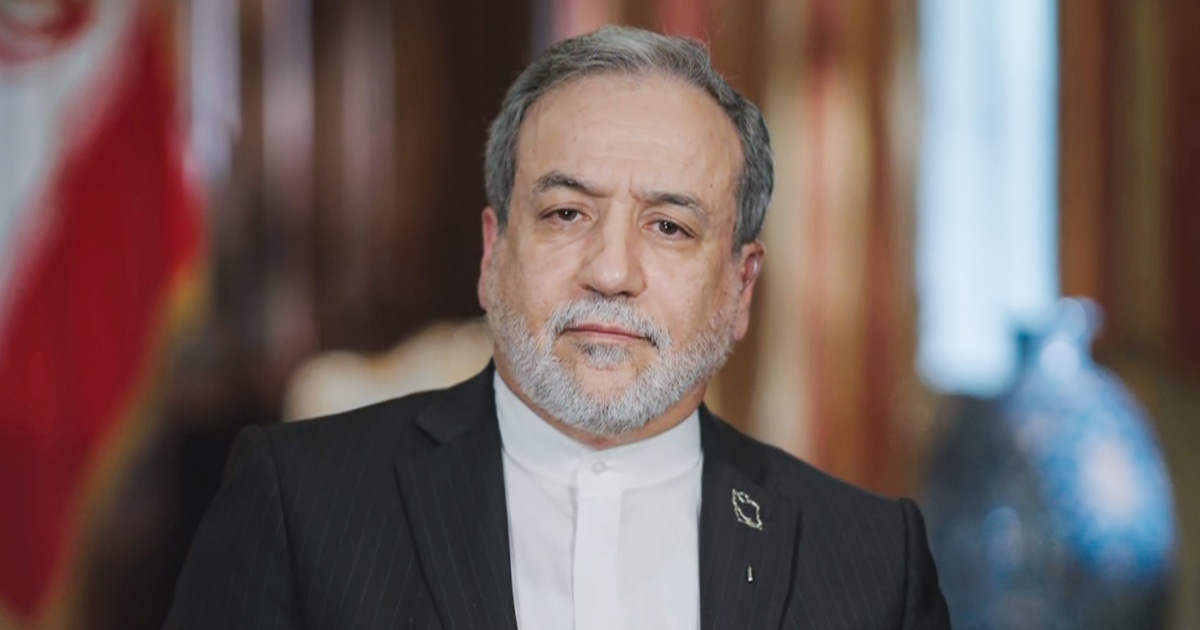
“We are fully prepared for the war to be resumed. We stand firm in the face of any new aggression, even if it comes to a doomsday war,” Iranian Foreign Minister Abbas Araghchi told NBC News’ “Meet the Press.” He added: “At the same time, we stand ready for diplomacy. It is up to President Trump to choose.”
Iran offered to restore normal maritime passage through the strait within seven days under a plan conveyed to the United States through mediator Qatar on the sidelines of the United Nations General Assembly in New York, NBC News reported. Trump said Saturday that he had turned it down. “They want to make a deal where they open the strait immediately because they’re losing so badly,” he told reporters.
Araghchi said Iran had not received an official rejection through mediators despite Trump’s public comments. Reopening the waterway, he said, would require an agreement that releases Iran’s frozen assets and allows it to sell oil. “Our conditions are clear, and any move toward reopening the strait of Hormuz is contingent on these conditions being met,” he wrote on social media, according to The Guardian. “Only a negotiated solution can get them out of this deadlock.”
U.S. Ambassador to the United Nations Mike Waltz said the administration rejected the proposal because Iran sought concessions before negotiations. “They were asking for everything up front with a promise that they would then talk,” he told CNN’s “State of the Union.” Waltz said Trump was not confident Iran would negotiate in good faith over its nuclear program. Speaking to NBC, he also objected to granting Iran access to billions in frozen assets and lifting sanctions and the blockade.
Both sides cited a U.S.-Iran memorandum of understanding signed in June that outlined a framework for a temporary ceasefire. It collapsed within days after fresh strikes were exchanged, according to NBC News. Araghchi said Iran’s current conditions were not new and reflected earlier U.S. commitments. Waltz accused Iran of violating the agreement by attacking international shipping; he said 146 countries had joined in condemning those attacks.
Iranian President Masoud Pezeshkian told CBS’s “Face the Nation” that Iran was ready to discuss its nuclear program and other issues but would not accept “bullying or coercion,” The Guardian reported. “Iran is not seeking war, but will defend itself against pressure, threats and attacks,” he said, adding that Iran had already agreed it was “not supposed to develop nuclear weapons.”
Asked about a Wall Street Journal report that Trump could resume bombing after November’s U.S. midterm elections, Araghchi said, “We don’t care about U.S. midterm elections. We care about our national interests.” Waltz rejected that reporting on CNN. Trump, meanwhile, has said he believes a deal will follow the election because, in his view, Iran is waiting to see how he performs.







Be First to Comment