Key takeaways:
- Trump said Saturday that Iran’s seven-day proposal to reopen the Strait of Hormuz was not acceptable.
- Iran said it sent the plan to the United States through Qatar and could restore normal maritime passage within seven days if its conditions were met.
- Iranian President Masoud Pezeshkian said Iran would admit U.N. nuclear inspectors if Washington accepted the proposal and resumed nuclear negotiations.
President Donald Trump rejected Iran’s proposal to reopen the Strait of Hormuz within seven days and resume negotiations, leaving a key dispute over the waterway unresolved after a week of diplomatic contacts in New York.
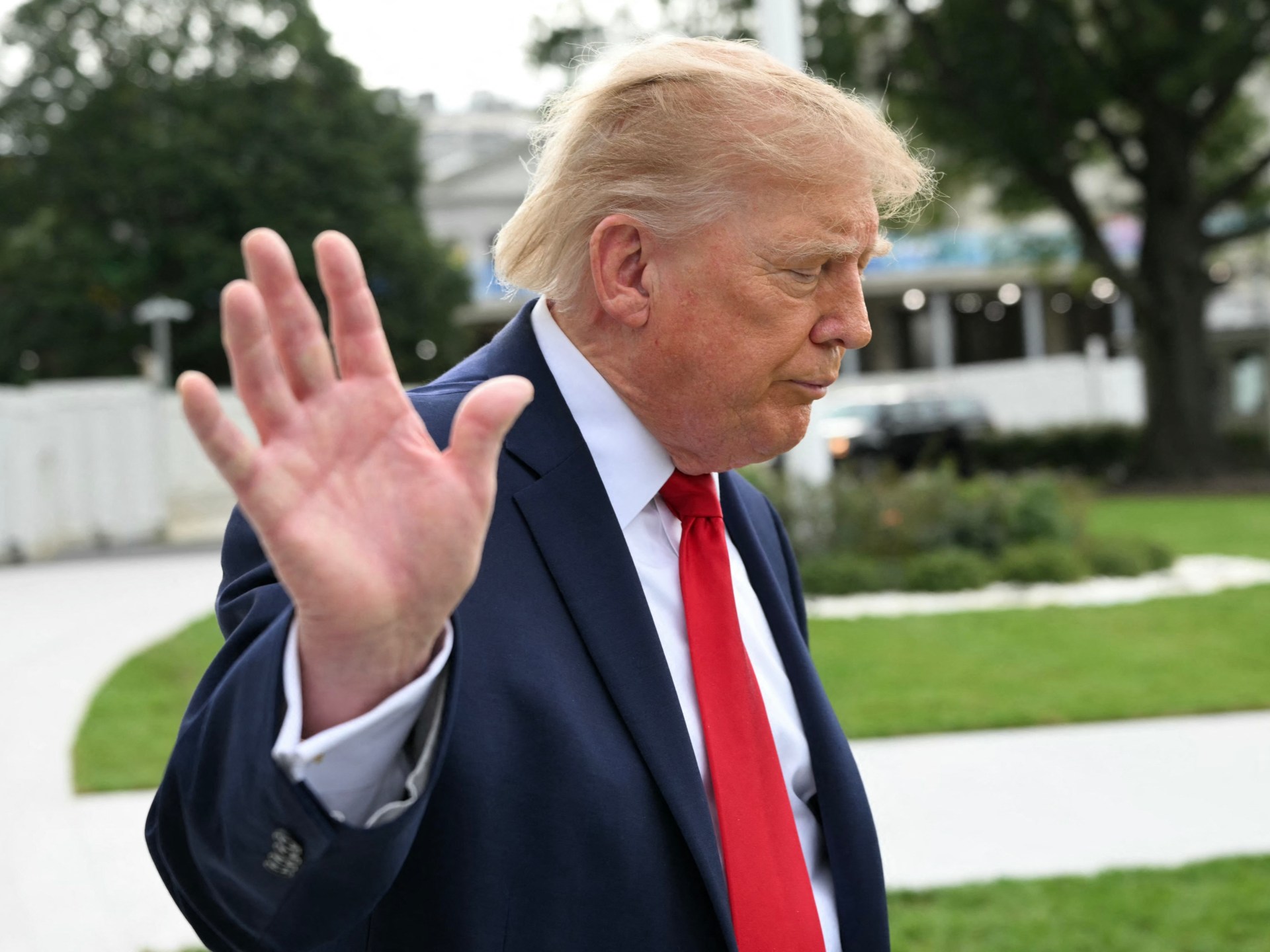
“I like making a deal too,” Trump told reporters as he left the White House on Saturday, according to NPR. “But, I’m not — that deal would not be acceptable.” He gave no further explanation for rejecting the plan and said Iran wanted an agreement because it was “losing so badly.”
Iranian Foreign Minister Abbas Araghchi said Friday that Tehran had sent the United States a “concrete seven-day plan” through Qatar. “If the necessary conditions are met, the strait can be reopened and normal maritime passage restored within seven days,” he said at the United Nations, where Iranian officials were attending the General Assembly. “The choice now rests with the United States.”
The Strait of Hormuz is central to the conflict because of its importance to the world’s oil supply. Iran initially closed it after the United States and Israel attacked Iran on Feb. 28, and repeated closures have disrupted oil supplies, NPR reported.
Under Tehran’s proposal, Washington would end its naval blockade of Iranian ports, waive sanctions on Iranian oil sales, release an estimated $12 billion in frozen Iranian assets and observe a regional ceasefire covering Lebanon and Yemen, according to Al Jazeera. The plan also called for a return to U.S.-Iran negotiations.
NPR reported that the proposal resembles a memorandum of understanding the two countries reached in June. That agreement would have temporarily ended the fighting and restarted ceasefire talks. The United States eased sanctions, freed frozen Iranian assets and gave Iran relief from a naval blockade; Iran promised not to seek a nuclear weapon and to reopen the strait. The agreement collapsed amid disputes over its wording, including who would control the waterway, and the two countries resumed strikes soon afterward, NPR reported.
“The actions that the United States should take are not new,” Araghchi said, according to NPR. “They are all already in the MoU.” He also said Iran would not accept “coercion, threats or intimidation,” Al Jazeera reported.
Iranian President Masoud Pezeshkian gave separate interviews describing what Tehran would need to move forward. In a prerecorded CBS interview scheduled to air Sunday, he said Iran would honor its commitments but the United States must show “that it does not intend to overthrow our government or our administration,” NPR reported. He said Iran would admit U.N. nuclear inspectors if Washington accepted the proposal to reopen the strait and resume nuclear negotiations.
Speaking to Al Jazeera on Saturday, Pezeshkian said Iran no longer trusted negotiations with Washington after earlier talks were followed by attacks and sanctions. He disputed that Iran alone was responsible for blocking the waterway, saying the United States “closed the routes before us.” He said negotiations to end the war could allow commercial shipping to resume.



Be First to Comment