Key takeaways:
- DNA evidence helped identify the man known as the Unknown Wanderer as Dr. Mathew Francis Betkouski.
- Investigators found a Chicago map, photographs from an apparent 1981 visit and sodium cyanide among his belongings; the Tylenol capsules contained potassium cyanide.
- Investigators cannot place Betkouski in the Chicago area during the September 1982 poisonings and are not naming him as a suspect.
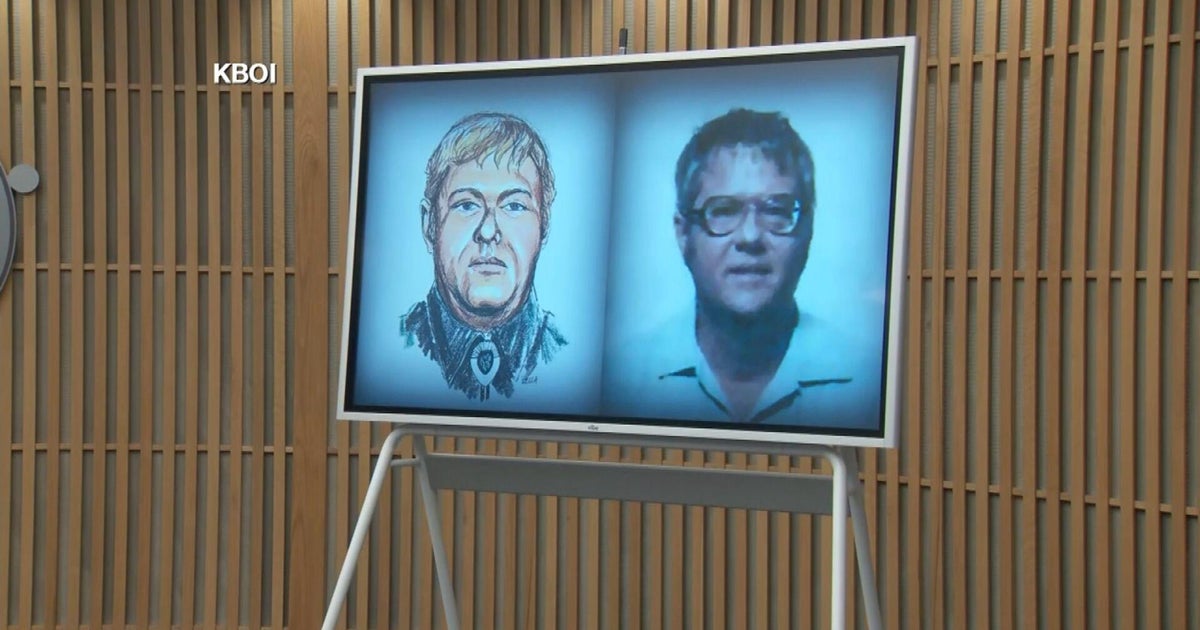
Idaho investigators have identified a man found dead in a Boise church 43 years ago and are examining whether he had any connection to the unsolved 1982 Chicago-area Tylenol murders. They say they cannot place him near Chicago when the poisonings occurred and are not naming him as a suspect.
The man, long known as the “Unknown Wanderer,” was Dr. Mathew Francis Betkouski, Ada County sheriff’s Detective Tim Cooper announced Wednesday. Betkouski was found without identification at Sacred Heart Catholic Church on Dec. 4, 1982. His death was attributed to cyanide poisoning. NBC News reported that investigators determined he died by suicide.
Seven people died after taking extra-strength Tylenol capsules laced with cyanide in the Chicago area that September. Investigators found a hand-drawn Chicago map and a bottle of cyanide among belongings Betkouski’s brother had preserved, along with photographs showing Betkouski had visited the Chicago area. But the photographs appear to date from 1981, and investigators do not know whether he returned in 1982.
“This was sodium cyanide,” Cooper said of the bottle. “This was not potassium cyanide, as was used in the Chicago-area deaths in 1982.” According to CBS News, testing also found peach and apricot pits in the bottle, leading investigators to believe Betkouski had made the cyanide himself.
Cooper reopened the identification case in 2019. Re-examining nearly 30 keys found with Betkouski, he traced a marking and an etching on one key to a Jacksonville, Florida, address. Property records led him to Betkouski’s brother, who said Betkouski had lived in Jacksonville before disappearing in 1982. Investigators compared the brother’s DNA with DNA recovered from Betkouski’s wallet and found a match showing the two men shared a father, CBS News reported.
Betkouski, a chemist from a prominent Los Angeles family, had struggled with mental illness and suffered a traumatic brain injury in 1974, Cooper said. While working for a Florida flavors and fragrances company, he talked about committing a “perfect crime” with poison, according to coworkers’ accounts described by investigators. Fellow scientists at a Lockheed test facility in New Mexico later recalled him discussing how poison could be put into over-the-counter capsules, CBS News reported. He was fired from Lockheed in March 1982 after an altercation at a pharmacy where he allegedly sought pills or capsules “for an experiment,” according to CBS News.
“So where this leaves us is: While our office may have identified some possible connection between Dr. Betkouski and the 1982 events, we’re not naming him as a suspect and we cannot say he was in Chicago in the final week of September 1982,” Cooper said. He wants information about Betkouski’s movements between Oct. 15 and Dec. 4, 1982.
Idaho investigators shared their findings with Chicago and Arlington Heights police, which said the Tylenol case remains open. The FBI said purported links to the killings have repeatedly gone unsubstantiated. NBC News reported that forensic psychiatrist Park Dietz considers Betkouski a “viable suspect,” while Jeremy Margolis, a former U.S. attorney and Illinois State Police director who has identified another man as a prime suspect, called the proposed link “utter nonsense.”




Be First to Comment