Key takeaways:
- Masked protesters dressed in black blocked routes in and out of the Port of Dover on Saturday while chanting “stop the boats.”
- Kent Police said no arrests were made and that the crowd had dispersed by 12:00 after officers moved protesters toward Dover Priory railway station.
- The government condemned the disruption, while the port, P&O Ferries and DFDS said access and ferry arrangements were restored after the incident.
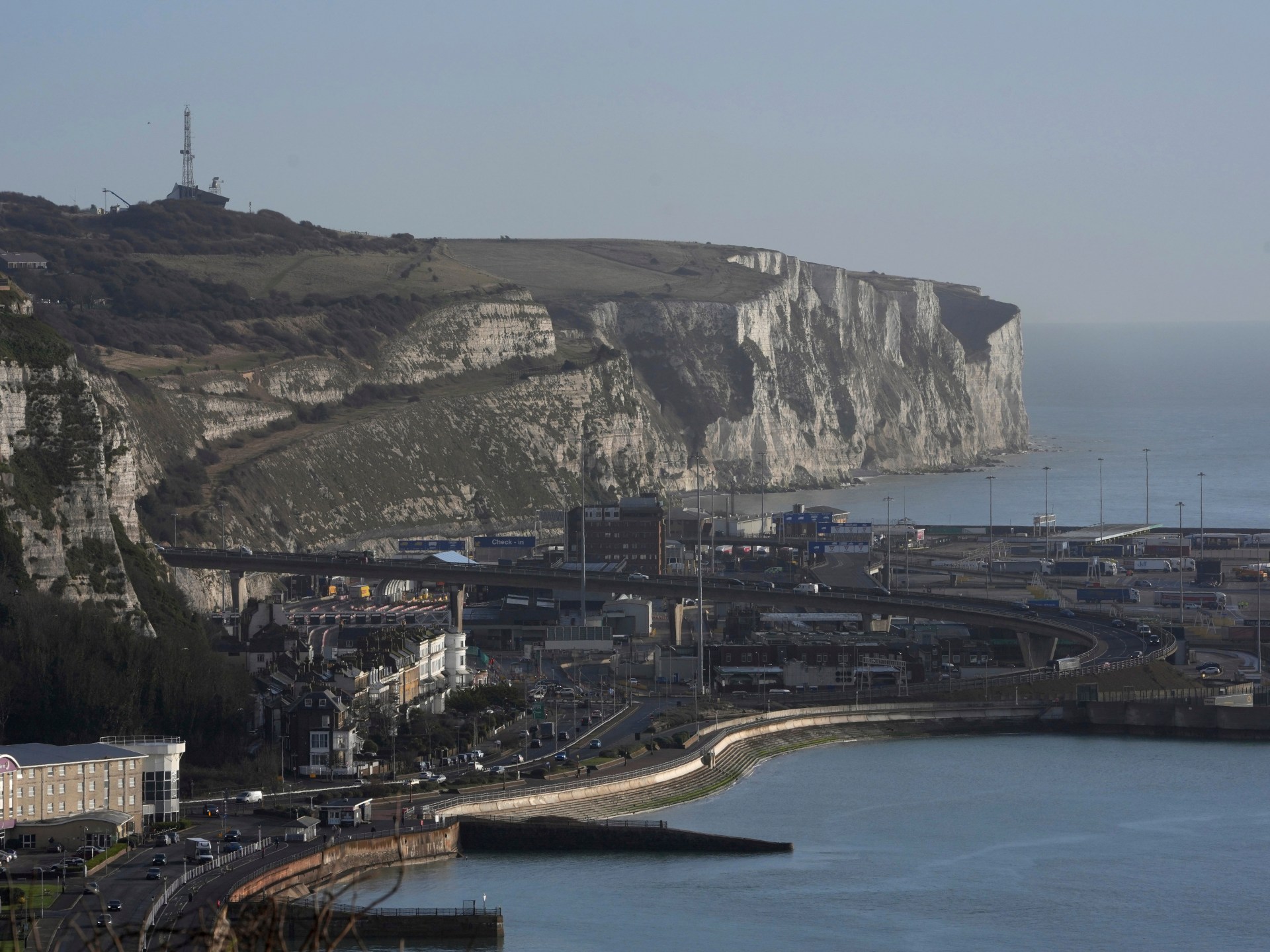
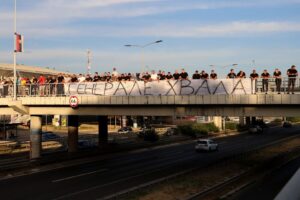
Masked protesters dressed in black blocked roads around the Port of Dover on Saturday, briefly halting traffic at Britain’s busiest international ferry and passenger port and drawing condemnation from the government.
The demonstrators chanted “stop the boats” as they blocked routes in and out of the port, disrupting ferry passengers, freight traffic and local residents. The BBC reported that hundreds of protesters were involved, while Al Jazeera described images showing dozens of masked people on roads surrounding the port.
Kent Police described the demonstration as “spontaneous” and said no arrests were made. Officers moved the crowd from the port to Dover Priory railway station at about 11:30 BST, and the force said “all involved had dispersed by 12:00.” The port later said operations had returned to normal and all routes in and out of the town had reopened.
“The right to peaceful protest is fundamental to our democracy, but we condemn the behaviour in Dover and the travel disruption it has caused,” the government said in a statement. “We appreciate the frustration of those who have been impacted today. Access to the port is now restored and traffic is flowing.”
The Port of Dover said traffic in and out had been stopped during an “ongoing public order incident” before later confirming access had reopened. National Highways said the protest caused a 6.4km traffic jam on Saturday morning. P&O Ferries and DFDS said passengers who missed scheduled crossings would be put on the next available sailing.
Dover and Deal MP Mike Tapp said the incident began at about 07:00 and caused “absolutely awful disruption” for residents. “My understanding is a number of individuals have travelled to the area, wearing black, wearing balaclavas, and have blocked a number of roads leading into the port area,” he said. In a Facebook post, Tapp added: “I am fed up with idiots coming to Dover to cause disruption.”
Reform UK councillor Paul King, who represents Dover West, said he had been told it was a “stop the boats protest.” Reform leader Nigel Farage told the BBC he “deplored” anyone wearing masks or balaclavas at public demonstrations. “You should not be allowed to be masked-up, balaclavaed-up and go out and protest on the streets of our country,” he said. “It is wrong at every level.”
Chris Vinson, leader of the Conservative group on Dover District Council, said several hundred masked men appeared to have coordinated overnight and arrived in rental vans. He said the protest appeared to be “illegal migration-related” but that demonstrators did not appear to have placards or banners. “I’m not aware that there’s been any violence, although clearly, having the path of your vehicle blocked by men wearing black paramilitary gear and balaclavas is extremely intimidating,” he said.
Sir Roger Gale MP described the incident as a “clearly orchestrated demonstration” and said the migration issue “does need to be addressed,” but not by young men in balaclavas “seeking to terrorise the local population of east Kent.”
Kent Police has not said who was behind the protest. The BBC reported that far-right activists Tommy Robinson and Danny Thomas posted about it on X, praising those involved. The anti-hate organisation Hope Not Hate claimed that Patriot Platform arranged the protest, saying the group had brought together members of anti-migrant groups from around the country.
Passengers and local people described confusion and delays. Remco van Schellen, who arrived from the Netherlands at about 08:00, said people in black clothing and masks were blocking roads and a roundabout outside the ferry terminal. London tour guide Rafael Pittman said the area was “absolute chaos” while he waited to pick up tourists. Lania Tkaczyk, from Cheshire, said the sight of men dressed head-to-toe in black outside her hotel was “quite intimidating.”
Dover is a frequent focus of immigration protests because migrants picked up from small boats in the English Channel are brought ashore there. The port handled more than nine million passengers by road and two million freight vehicles in 2025, according to its website.

Be First to Comment