Key takeaways:
- Crowley led Hong 39.8% to 39.4% with 98% of the expected Democratic primary vote counted, according to NBC News.
- Crowley and allied outside groups spent $4 million on primary ads, compared with less than $500,000 by Hong and her supporters.
- Republican Rep. Tom Tiffany, backed by President Donald Trump, easily won the GOP nomination and will face Crowley in November.
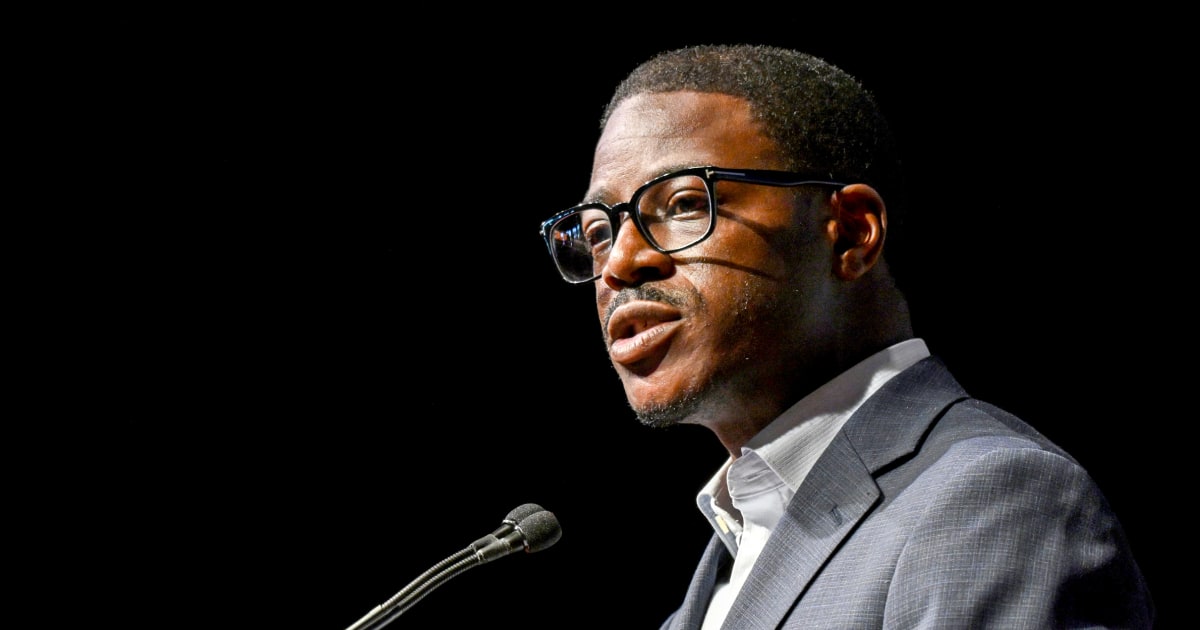
Milwaukee County Executive David Crowley narrowly won Wisconsin’s Democratic primary for governor, completing a late comeback after briefly leaving the race and setting up a November matchup with Republican Rep. Tom Tiffany.
NBC News and CBS News projected Crowley’s victory over state Rep. Francesca Hong of Madison, a democratic socialist who had been viewed as a front-runner in the final stretch. With 98% of the expected vote counted, Crowley had 39.8% to Hong’s 39.4%, according to NBC News.
The result was an upset in a volatile contest to succeed Democratic Gov. Tony Evers, who is not seeking a third term. Crowley, 40, had struggled to gain traction earlier in the race and dropped out roughly a month before the primary, then re-entered days later with Evers’ endorsement. His win reverses a recent run of progressive victories in Democratic primaries in states including Michigan, New York and Colorado, CBS News reported.
Crowley will face Tiffany, a Trump-backed congressman who has represented northern Wisconsin’s 7th Congressional District since 2020. Tiffany easily won the Republican nomination. In a speech to supporters, he said, “Stand with me as we protect the Wisconsin way of life, and stand with me as we move Wisconsin forward.”
Crowley’s campaign was boosted by Evers, who argued on the trail that he was the Democrat best positioned to win in November. The electability argument resonated with some voters. Ali Plummer of Madison told NBC News she “voted for Crowley because I am a risk-averse person, and I really was reading a lot about who has the chances to beat Tom Tiffany in the larger election.”
Her partner, Shawn Bass, voted for Hong. “I really think that she has a great platform for talking about universal healthcare, talking about universal childcare,” Bass said.
Crowley and allied outside groups spent $4 million on primary ads, according to AdImpact, far more than any Democratic rival. Hong’s campaign and groups supporting her spent less than $500,000. A pro-Crowley outside group began airing a late ad saying Hong’s “record is a distraction we can’t afford,” while a group tied to the Republican Governors Association spent nearly $3 million on ads portraying Hong as too liberal.
Hong faced scrutiny over past positions and social media posts. She had called for defunding and abolishing the police, abolishing ICE and the U.S. Senate, and “cancel Thanksgiving,” according to CBS News and NBC News. She later walked back some positions, including abolishing the Senate, and told Politico that Thanksgiving is her favorite holiday, CBS News reported. She also has been sharply critical of Israel and its leaders over the war in Gaza, though she did not make that issue central to her campaign.
Crowley also faced controversy. NBC News reported after he re-entered the race that a years-old social media account registered to him included incendiary posts about women and race, as well as derogatory LGBTQ references.
The Democratic field shifted dramatically in July. Lt. Gov. Sara Rodriguez dropped out amid campaign finance reporting issues after her campaign discovered it had less money on hand than previously believed, CBS News reported. Former Lt. Gov. Mandela Barnes, the party’s 2022 Senate nominee, ended his campaign July 30, saying, “it’s becoming very clear who the Democratic nominee is going to be,” pointing to Hong. CBS News reported that his exit came as the Milwaukee Journal Sentinel was investigating allegations involving his role in the party and sexual encounters with young adult women; Barnes has not addressed the allegations and has not been accused of crimes.
Other candidates still drew about 20% combined. Rodriguez and Barnes each received nearly 4%, and progressive state Sen. Kelda Roys was near 8%. A Wisconsin judge had ruled that voters who returned absentee ballots could not request new ones, even if their chosen candidates had left the race.
The governorship is a major prize for both parties in a closely divided state. Democrats have held the office since 2019. Tiffany voted against certifying Joe Biden’s 2020 victories in Arizona and Pennsylvania as a House member. If Crowley wins in November, he would become Wisconsin’s first Black governor.





Be First to Comment