Key takeaways:
- A majority of Lebanon’s 128-member parliament voted to abolish capital punishment, while Hezbollah’s parliamentary bloc opposed the measure.
- The legislation would replace death sentences with life imprisonment with aggravated hard labour, but lawmakers have not yet clarified how that punishment would be enforced.
- Lebanon has not carried out an execution since January 2004, though courts have continued to issue death sentences.
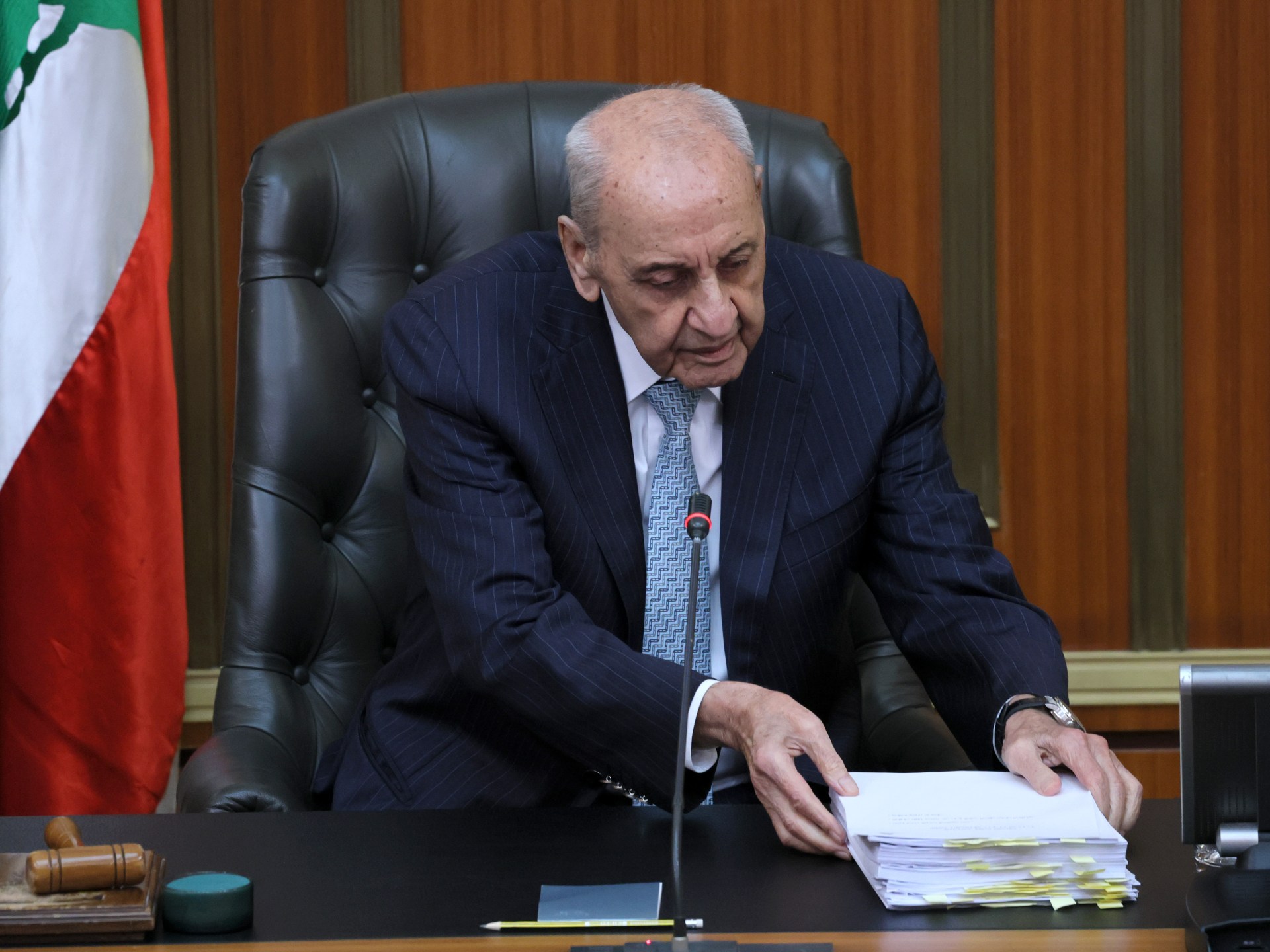
Lebanon’s parliament voted Tuesday to abolish the death penalty, a change that would make the country the first in the Middle East to formally end capital punishment if it completes the remaining steps to become law.
A majority of lawmakers in the 128-seat parliament backed the measure, while Hezbollah’s parliamentary bloc voted against it. The legislation now goes to the cabinet before being sent to President Joseph Aoun for signature. The government has already expressed support for the measure, the BBC reported.
Justice Minister Adel Nassar, who was in parliament for the vote, called it a “historic step” for Lebanon, according to Al Jazeera. The Lebanese parliament speaker’s office said lawmakers approved the legislation after several amendments.
The new system would replace death sentences with life imprisonment with aggravated hard labour. But the details of how that punishment would be carried out remain unclear. Hard labour already exists in Lebanese law and court decisions, but it has rarely been enforced in recent years as Lebanon’s financial crisis and overcrowded prisons have limited state resources and capacity.
Lebanon has not carried out an execution since January 2004, though courts have continued to issue death sentences. Under the previous system, executions required a decree signed by the president, prime minister and justice minister. No such decree has been signed in more than two decades.
The number of people still under death sentence varies by estimate. Rights groups estimate that more than 78 people remain on death row, the BBC reported. Al Jazeera, citing the Lebanese Ministry of Justice’s Directorate of Prisons, reported that 85 people were facing death sentences at the end of 2025.
Before the vote, Lebanese law allowed the death penalty for some of the most serious crimes, including aggravated murder, certain terrorism-related crimes resulting in death, treason, espionage and offences against state security.
The vote follows years of campaigning by civil society groups and lawyers who sought to remove capital punishment from Lebanese law. Earlier efforts failed, including legislation introduced in parliament in 2004 and a Justice Ministry proposal in 2008.
“We cannot solve a crime with a crime or end violence with violence,” Oragit Younan, co-founder of the Lebanese Association for Civil Rights, told the BBC. Younan led a nearly three-decade campaign to abolish the death penalty in Lebanon.
“We are in a war, and people [have been] killed every day, so even in this situation, we can fight, we can struggle for human rights, and we can win. We can be a model for others,” she said.
Amnesty International’s Middle East and North Africa director, Heba Morayef, described the vote as “a major milestone and a victory for human rights in the country.”
“After more than two decades without executions, today’s step transforms a precarious hiatus in executions into lasting legal protection upholding the right to life and bringing Lebanon in line with the global trend towards abolition,” Morayef said.
The abolition measure comes as Lebanon’s parliament also debates a controversial general amnesty law, described by Al Jazeera as the largest since the end of the country’s 15-year civil war in 1990. That proposal could reduce sentences or release some people convicted of violent offences. Relatives of Lebanese soldiers and servicemen killed in attacks have protested against the amnesty, with some saying they had hoped perpetrators would be executed rather than receive reduced prison terms.
Lebanon’s move comes as capital punishment remains contested across the region. Jordan resumed executions in June, carrying out its first since 2017. In Israel, parliament approved legislation expanding the circumstances in which capital punishment can be imposed, including a May law imposing the death penalty and public trials for those involved in the Hamas-led attacks and mass hostage-taking in Israel in October 2023. In Iran, UN human rights chief Volker Türk said this month he was alarmed by rising executions, including at least 56 people executed on national security-related charges since March 19.












Be First to Comment