Key takeaways:
- The Perseid meteor shower peaks on Aug. 12 and 13, with the best viewing in the Northern Hemisphere between midnight and dawn.
- NASA says the Perseids often produce 50 to 100 meteors per hour and can leave long wakes of light and color.
- This year’s new moon is expected to improve visibility by keeping bright moonlight out of the sky.
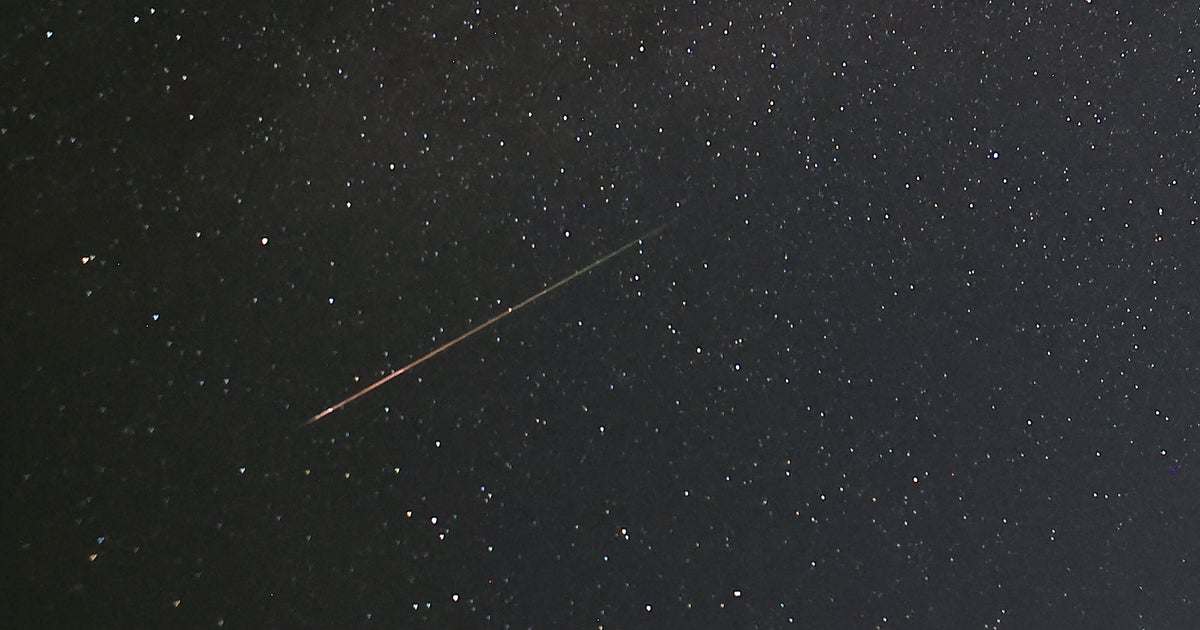
The Perseid meteor shower is reaching its peak, offering skywatchers a chance to see one of the year’s brightest and most reliable displays of shooting stars under unusually dark skies.
The shower, which NASA calls the best of the year, peaks on Aug. 12 and 13. In the Northern Hemisphere, the best viewing is expected in the predawn hours, though meteors may be visible as early as 10 p.m. the night before. The strongest window is between midnight and dawn, when the constellation Perseus is high in the northern sky and the meteors appear to radiate from that area.
“With swift and bright meteors, Perseids frequently leave long ‘wakes’ of light and color behind them as they streak through Earth’s atmosphere,” NASA said. “The Perseids are one of the most plentiful showers with about 50 to 100 meteors seen per hour.”
The BBC reported that very lucky observers could see more than 100 shooting stars per hour during the peak. On most other nights, the shower produces only a few meteors per hour. This year’s viewing conditions are expected to be especially favorable because the moon will be in its new phase, meaning moonlight will not wash out the fainter streaks.
“The moon is beautiful, but it’s such a diva,” said astronomer Aparna Venkatesan of the University of San Francisco. “New moon means we don’t have moonlight flooding the sky, and you tend to see way more meteors as a result.”
Meteor showers occur when Earth passes through trails of debris left behind by comets or, sometimes, asteroids. The tiny remnants enter the atmosphere at extremely high speeds and burn up, producing the streaks of light commonly called shooting stars.
The Perseids come from comet 109P/Swift-Tuttle, an icy body that orbits the sun every 133 years and is not expected to return until 2125. The BBC reported that the comet’s solid core measures 16 miles, or 26 kilometers, across. Observations of the Perseid meteor shower date back more than 2,000 years.
Royal Astronomical Society research fellow Dr. Becky Smethurst described the Perseids as “one of the best nights for astronomy all year” and said the debris trail acts “sort of like the Universe’s own cosmic clock in a way.”
The shower is visible around the world and is named for Perseus, the constellation from which the meteors appear to originate. Astronomers recommend finding a dark location away from city lights and clouds, then allowing 20 to 30 minutes for eyes to adjust. Viewers should look toward the widest unobstructed area of sky possible and avoid looking at phones, which can disrupt night vision.
Astronomer Zach Vanderbosch of McDonald Observatory in Texas said the Perseids are a favorite in part because summer weather makes viewing easier. “We don’t have to suffer through a cold winter night to get a good view of meteors,” he said.
The BBC reported that skywatchers in the United Kingdom will also have a deep partial solar eclipse in the early evening before the meteor shower peak, though the two events are unrelated. Smethurst called the timing “the perfect cosmic coincidence of events.” A meteor during the eclipse would be possible only in areas seeing a total eclipse, such as Spain, and even there the odds are very low, she said. Anyone watching a solar eclipse must use certified solar glasses, because looking directly at the sun without proper protection can cause permanent eye damage.
For the Perseids, patience matters. Pick a patch of sky, let the darkness settle in and wait for the quick flash of a bright streak. “There’s just something magical about it,” Vanderbosch said.









Be First to Comment