Key takeaways:
- The Bald Range wildfire grew to about 19 square miles within hours after being reported Friday evening, according to CBS News.
- Evacuation orders covered all of Summerland, about 8,000 people in and around Peachland, and additional areas including the Peachland watershed, Brenda Mines, Lower Princeton and downtown core areas.
- About 1,500 firefighters are deployed across British Columbia, where 39 evacuation orders and 49 alerts have been issued, Al Jazeera reported.
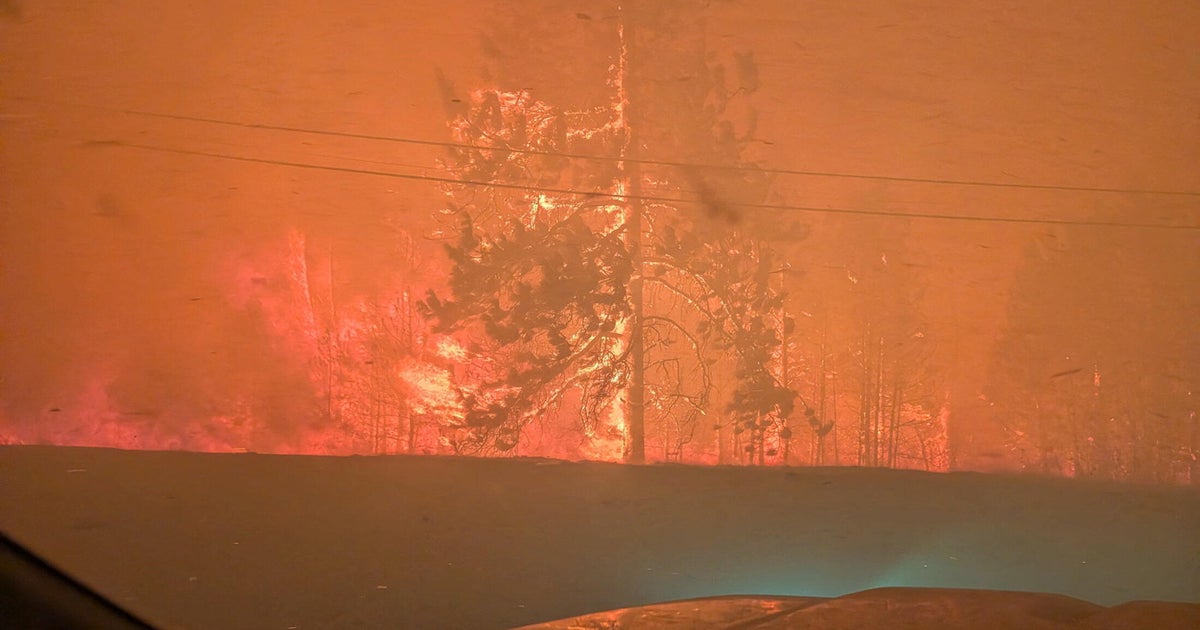
A fast-moving wildfire in British Columbia forced more than 20,000 people from their homes overnight as flames raced toward communities along Okanagan Lake, destroyed homes and knocked out power across Summerland.
The Bald Range wildfire was first reported Friday evening and grew to about 19 square miles within hours, according to CBS News. Officials said it overwhelmed the small community of Faulder and moved roughly 9 miles to Summerland at extraordinary speed.
The entire District of Summerland, home to about 12,000 people, was ordered to evacuate, along with about 8,000 people in and around nearby Peachland. Local officials declared a state of emergency early Saturday. The city said power had been lost throughout the district, and residents were instructed to boil water.
Authorities had not determined how many homes were destroyed. Videos posted on social media appeared to show multiple homes burning as residents fled along roads with flames on both sides.
Erick Thompson, an emergency official with the Regional District of Okanagan-Similkameen, described the blaze as one of the “quickest-moving, fastest-growing” wildfires the region had experienced. Thompson later had to leave the emergency operations center to evacuate his own family.
“I had to leave the EOC to come and get my family to leave this area. We’re heading south,” he said in a video posted early Saturday from his vehicle as traffic backed up around him.
Emergency Info BC, a provincial government service, said Saturday morning’s evacuation orders also affected the Peachland watershed, the Brenda Mines area, Lower Princeton and its downtown core areas. All residents were asked to prepare to leave immediately.
Homeowner Kerry Gold and her husband, Mike Elsinga, fled around 12:30 a.m. after watching flames spread beyond nearby mountains. The couple, who recently moved from Vancouver, had packed bags, prepared a carrier for their cat and planned to help a disabled friend evacuate.
“It’s scary. It’s moving fast,” Gold said.
“You want to stay here and protect your home but you also don’t want to get caught in it,” Elsinga said.
Amelia Boultbee, a Canadian member of Parliament representing Penticton-Summerland, wrote on social media Friday night: “Summerland and Faulder and Peachland. Tonight our hearts are heavy as we watch the Bald Range wildfire. The firefighters and first responders are doing an incredible job and my heart is with them, as well as all the evacuees and volunteers.”
British Columbia Premier David Eby urged residents to follow emergency instructions as the fire spread.
“For those in the area, please keep following updates,” Eby wrote Friday night. “If asked to evacuate, go immediately. The conditions are changing extremely quickly.”
Canada has faced a summer of large wildfires, including blazes in Ontario and Quebec. British Columbia experiences 1,600 wildfires per year on average, according to the BC Wildfire Service. About 1,500 firefighters are currently deployed across the province, which has issued 39 evacuation orders and 49 alerts, Al Jazeera reported.
Firefighting teams from Mexico, Australia, France and New Zealand have provided support to Canada. Eby said earlier in the week that British Columbia had sufficient resources to respond to the fires and additional firefighters and aircraft available.
Scientists have said climate change has worsened wildfire conditions in recent decades, with extreme drought and heat affecting areas around the world. Canada and the United States have also experienced a record-setting heat dome in recent months that dried out vegetation and helped worsen wildfire conditions, Al Jazeera reported.




Be First to Comment