Key takeaways:
- Marsha Blackburn defeated John Rose for the Republican nomination for Tennessee governor, with AP results showing her ahead 43.8% to 32.6% with about two-thirds of ballots counted.
- Donald Trump did not endorse in the primary, though both Blackburn and Rose emphasized their ties to him during the campaign.
- Blackburn will face Democratic nominee Jerri Green in November to replace term-limited Republican Gov. Bill Lee.
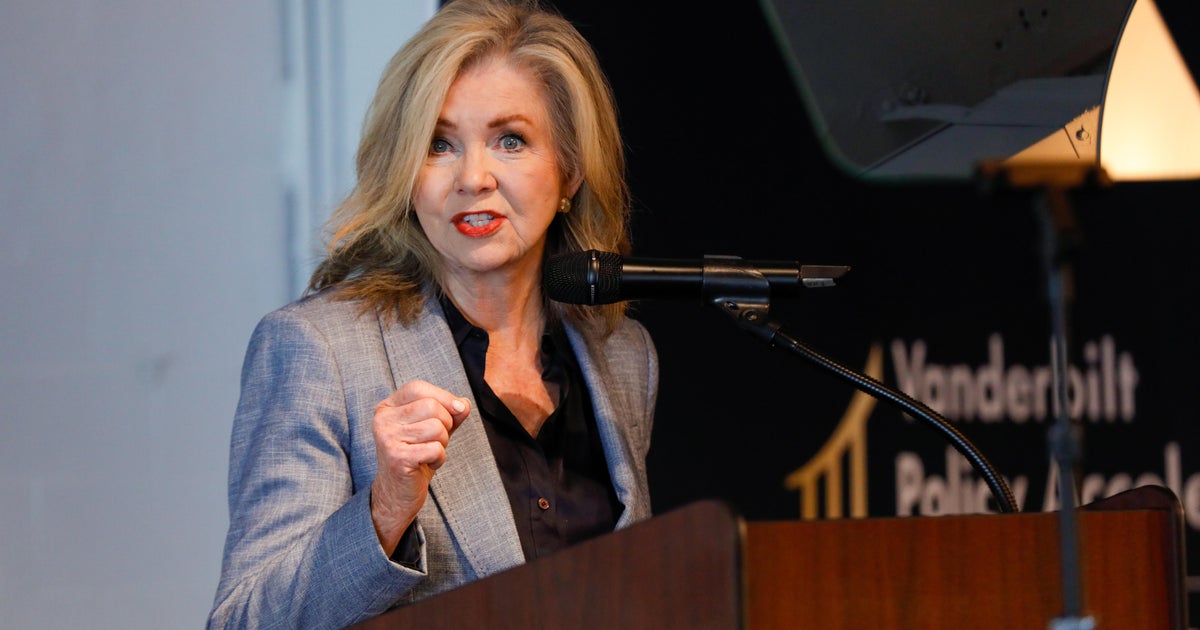
Sen. Marsha Blackburn won the Republican nomination for Tennessee governor Thursday, defeating Rep. John Rose in a closely watched primary in which President Donald Trump stayed neutral despite both candidates emphasizing their ties to him.
The Associated Press and NBC News projected Blackburn’s victory. With about two-thirds of ballots counted, Blackburn led Rose 43.8% to 32.6%, according to results compiled by the AP. Rose performed better around his Middle Tennessee House district, CBS News reported.
Blackburn, 74, is now the heavy favorite in November against Democratic nominee Jerri Green, a member of the Memphis City Council. Tennessee has a strong Republican lean, and Democrats have not won a statewide race there since 2006. The winner will succeed Republican Gov. Bill Lee, who is barred by term limits from seeking reelection.
If Blackburn wins the general election, she would become Tennessee’s first female governor. She already made state history in 2018, when she became the first woman to represent Tennessee in the U.S. Senate. Before that, she served in the U.S. House beginning in 2003.
Blackburn is considered one of the Senate’s most conservative members. She is known for her positions on abortion and transgender rights, as well as her criticism of China’s influence.
Trump’s decision not to endorse made the primary unusual for a high-profile Republican contest. Blackburn and Rose both leaned on his name during the campaign. Blackburn featured Trump prominently in her announcement video, while the Tennessee Freedom Fund, a pro-Blackburn outside group, spent heavily on ads tying her to the president. The ads included clips of Trump calling Blackburn “an incredible person” and saying, “Fantastic job you did. We’re proud of you.”
At a rally in Washington in January, Trump praised Blackburn while acknowledging her gubernatorial bid. “Unfortunately, she’s running for governor,” he said, adding, “I’d love her not to. I begged her: ‘I said, ‘Marsha, don’t. We don’t want to lose you in the Senate.’”
The Nashville Banner reported that Trump told members of Tennessee’s congressional delegation on an Air Force One flight to Memphis that he would not endorse Blackburn because of his relationship with Rose, according to two members of Congress who were present for the conversation. Rose, who represents Tennessee’s 6th District, is a former state agriculture commissioner and also ran as a loyal Trump ally.
Rose was the first candidate to enter the primary last year, followed by Blackburn and then state Rep. Monty Fritts. All three tried to present themselves as the most conservative candidate. Rose and Fritts argued Blackburn was not sufficiently aligned with Trump, pointing to her statement that she voted to certify the 2020 election results. Rose also highlighted his support in the House for Trump’s SAVE America Act, which has not been brought to the Senate floor for debate, though Blackburn has said she supports it.
The primary drew heavy spending. Rose put nearly $13 million of his own money into the race, including $4.5 million in the final weeks, according to CBS News. Blackburn raised $10.8 million.
Blackburn is part of an unusually large group of senators seeking governorships this election cycle. Republican Sen. Tommy Tuberville won his party’s nomination for governor in Alabama, Democratic Sen. Michael Bennet lost his primary in Colorado, and Democratic Sen. Amy Klobuchar is set to appear on the ballot for governor in Minnesota next week.








Be First to Comment