Key takeaways:
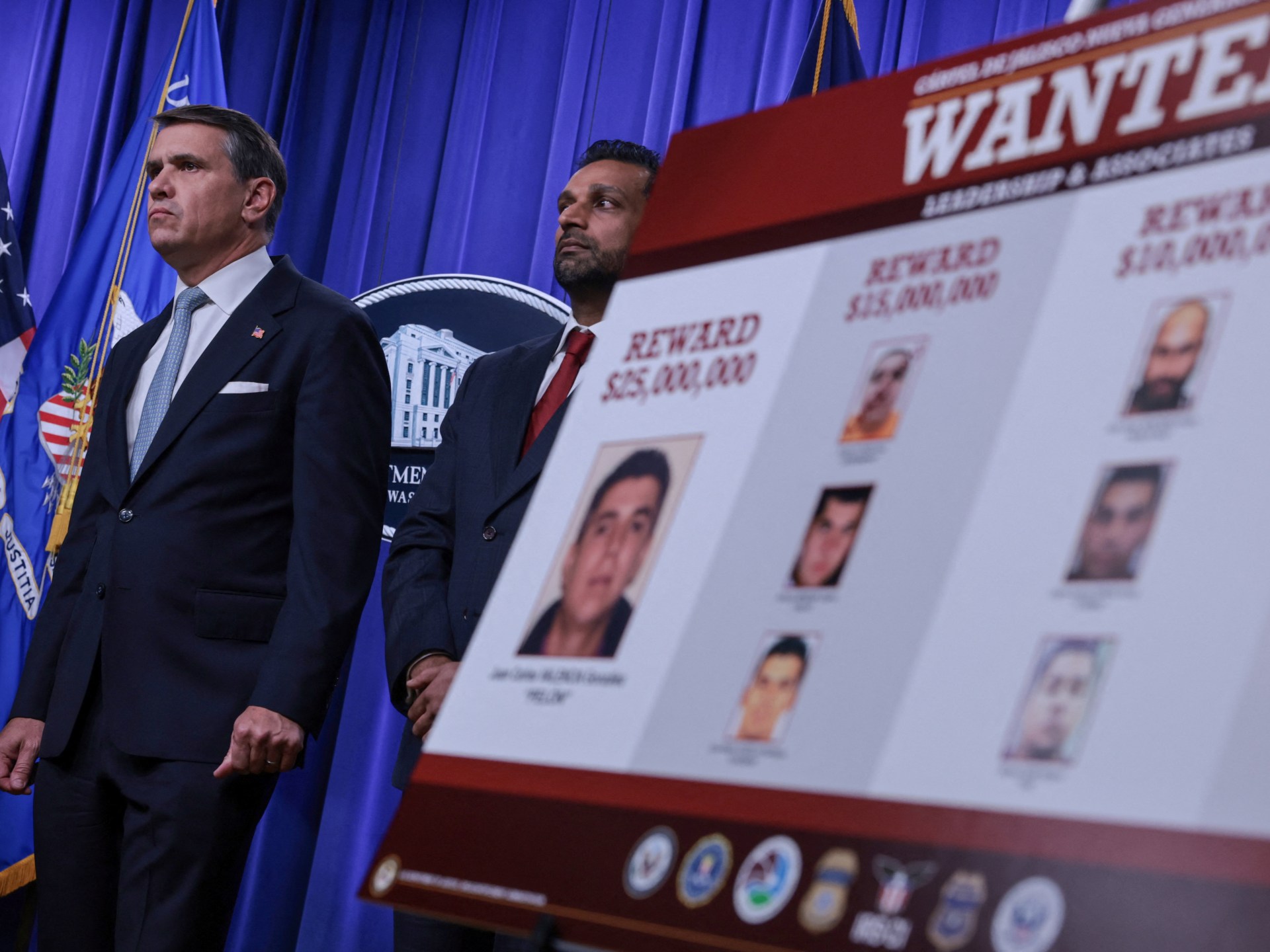
- The United States raised the reward for Juan Carlos González, known as “Pelón,” from $5 million to $25 million.
- The total rewards announced for eight Jalisco New Generation Cartel leaders reach up to $102 million.
- U.S. officials also imposed visa restrictions on 65 people accused of business or family ties to cartel members.
The Trump administration on Wednesday announced up to $102 million in rewards for information leading to the arrest or conviction of eight leaders of Mexico’s Jalisco New Generation Cartel, escalating pressure on one of the country’s most powerful criminal organizations and its reported new leader, a California-born U.S. citizen.
The largest reward is for Juan Carlos González, also known as “Pelón,” whose bounty rose from $5 million to $25 million. The State Department said González was born in Santa Ana, California, on Sept. 12, 1984, and is a dual U.S. and Mexican citizen. He is the stepson of the cartel’s former leader, Nemesio Rubén Oseguera Cervantes, known as “El Mencho,” and is believed to have taken control of the group after Oseguera Cervantes was killed in February.
“The United States is hunting down, dismantling, and destroying Cártel de Jalisco Nueva Generación,” Secretary of State Marco Rubio said in a statement.
Acting Attorney General Todd Blanche described the new rewards as “a continuation of our efforts to eliminate cartels that have plagued” the United States for “far too long.” He said the groups “use violence and fear to maintain control over the importation of deadly narcotics in the United States, including fentanyl, cocaine, meth and other illegal drugs.”
“Their actions spread violence and death to our communities,” Blanche said.
The State Department said the rewards are intended to help “cripple” the cartel’s leadership and will complement newly unsealed criminal charges against five alleged high-ranking members of the organization. U.S. officials also announced visa restrictions on 65 people accused of having business or family ties to cartel members.
The rewards include up to $15 million for Audias Flores Silva, known as “El Jardinero,” or “The Gardener”; up to $15 million each for Gonzalo Mendoza Gaytán, known as “Sapo,” and Julio Alberto Castillo Rodríguez, known as “Chorro”; up to $10 million each for Ricardo Ruiz Velasco, known as “Tripa,” Julio César Montero Pinzón, known as “El Tarjetas,” and Carlos Andrés Rivera Varela, known as “La Firma”; and up to $2 million for Griselda Margarita Arredondo Pinzón.
CJNG is among at least eight Mexican criminal networks the United States has designated as foreign terrorist organizations. The cartel operates in 21 of Mexico’s 32 states and has activities that extend to several countries, including the United States. It is said to be involved in businesses and crimes ranging from avocado production to drug smuggling.
The announcement follows sanctions imposed a few weeks earlier on 50 people and companies linked to the cartel, including González. Those sanctions froze assets and blocked U.S. financial transactions with the designated people and entities.
In June, the Treasury Department also announced a bank alert targeting the cartel. Its Office of Foreign Assets Control sanctioned two men and nine companies in transportation, financial services and real estate, accusing them of links to a cartel-connected fuel theft ring designed to evade Mexican taxes while generating tens of millions of dollars annually for CJNG.
Oseguera Cervantes was killed during a Mexican military operation in February. CBS News reported that the United States provided intelligence for the operation, which was followed by a burst of violence in Jalisco. Al Jazeera reported that the raid targeted his hideout in Talpapa, Jalisco, and left at least 73 people dead, including cartel members and security forces.
The Trump administration has pressed Mexican President Claudia Sheinbaum’s government to take stronger action against cartels and has threatened possible military action against the groups. Al Jazeera reported that Trump said earlier this year, “We have to eradicate them,” and pledged to “do whatever’s necessary to defend our national security.” Sheinbaum has warned that any foreign military action on Mexican soil must be approved by the federal government or it would violate Mexican sovereignty.







Be First to Comment