Key takeaways:
- The State Department revoked Ambassador Maria Luiza Ribeiro Viotti’s visa but indicated she is not being expelled from the United States.
- Washington says Brazil has withheld diplomatic approval for Trump’s nominee for U.S. ambassador to Brazil, Daniel Perez.
- The dispute follows Brazil’s denial of visas to two U.S. officials in July and U.S. plans for 25% tariffs on Brazilian imports.
The United States has revoked the visa of Brazil’s ambassador in Washington, escalating a widening dispute with Brasília over ambassadorial approvals, election concerns and tariffs.
A senior State Department official told CBS News that the visa for Ambassador Maria Luiza Ribeiro Viotti would be reinstated immediately if Brazil grants agrément, the diplomatic approval required for President Donald Trump’s nominee for U.S. ambassador to Brazil, Daniel Perez, to take up the post. Al Jazeera, citing an anonymous State Department official who briefed reporters Tuesday, reported that the visa cancellation is temporary and does not mean Ribeiro Viotti is being expelled from the United States.
“The action was that the visa of a senior diplomat here was revoked or canceled. That is not the same thing as kicking the person out of the country,” the official said, according to Al Jazeera.
The same official said Ribeiro Viotti could remain in the United States and “would have their visa restored if the balance is restored by giving agreement to our chosen ambassadorial nominee.”
Washington says Brazil has withheld approval for Perez, a Republican Florida lawmaker and close ally of Secretary of State Marco Rubio. CBS News described Perez as the Republican speaker of the Florida House of Representatives, while Al Jazeera identified him as a Florida state representative. Al Jazeera also reported that Perez was nominated in June but has not yet been confirmed by the full U.S. Senate.
“They have not only delayed, but put out signals that they will probably delay until after their election there, which is a long time coming,” the senior State Department official told CBS News, adding that the dispute comes “in the context of several other diplomatic disputes that have developed over the last year or so.” The official said Washington believes “the government of Brazil owes us a prompt and positive answer” on the ambassadorial request.
Al Jazeera reported that media accounts indicate Trump publicly nominated Perez before contacting Brazil. Sources inside the Brazilian government said that was viewed as a breach of protocol and that officials intend to examine the nomination before granting formal approval.
Brazil’s embassy and Foreign Ministry did not immediately respond to CBS News requests for comment.
The visa move follows Brazil’s July decision to deny visas to two U.S. State Department officials from the Bureau of Democracy, Human Rights and Labor. Brazil accused them of seeking to interfere in its October election by questioning the integrity of its voting system. The State Department rejected those allegations as baseless and said the planned visit was routine engagement.
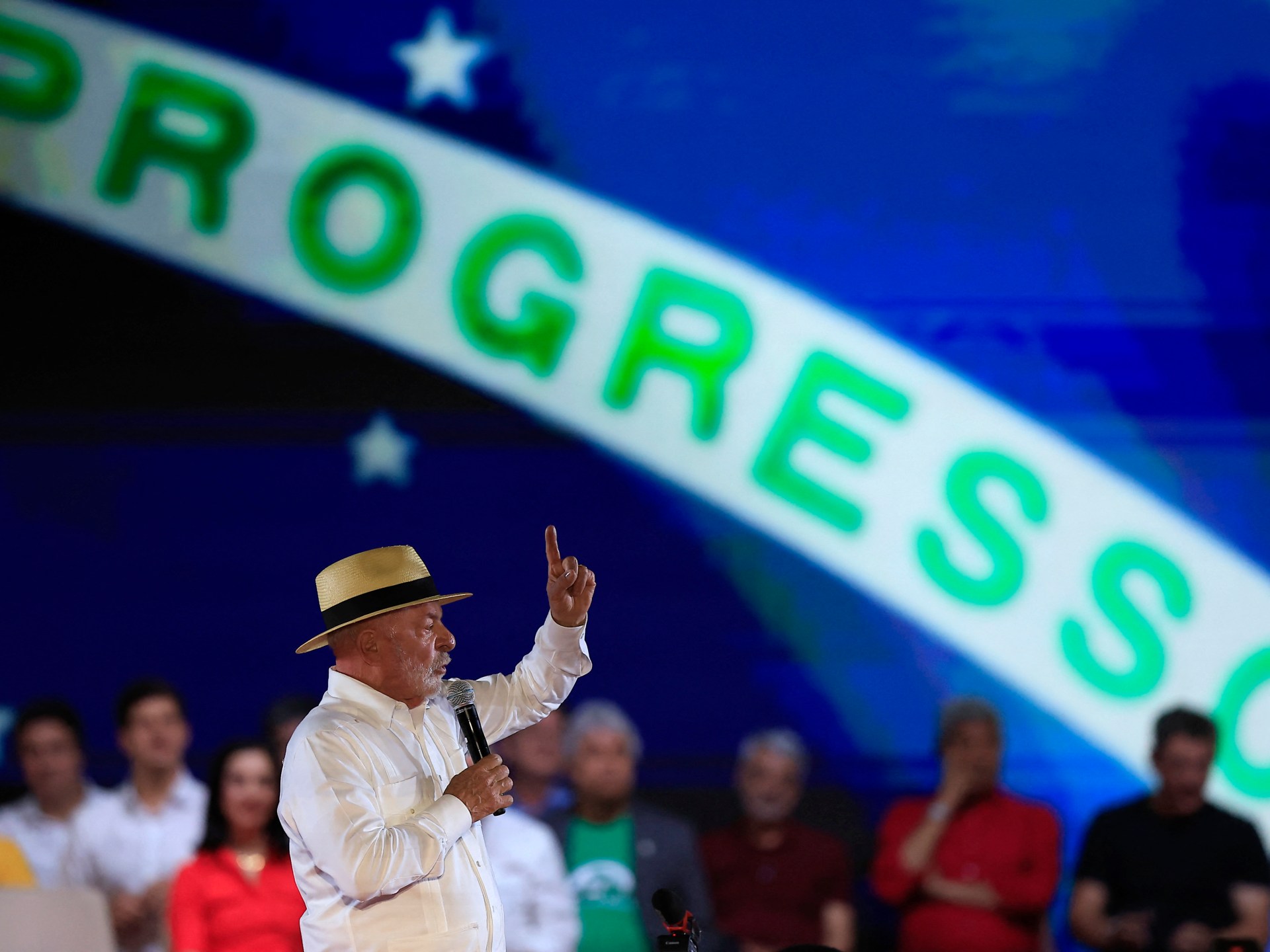
President Luiz Inácio Lula da Silva is seeking reelection in October. His leading rival is Sen. Flávio Bolsonaro, son of former President Jair Bolsonaro, according to the reports. Jair Bolsonaro, a Trump ally, is serving a 27-year prison sentence for his role in an attempted coup after losing the 2022 election.
The diplomatic strain also includes U.S. tariffs. CBS News reported that Washington imposed 25% tariffs on Brazilian imports last month, citing what it called unfair trade practices, including rules regulating U.S. technology platforms. Al Jazeera reported the tariffs were announced in July.
Lula condemned the duties and denied “the alleged unfair trade practices.” He said, “There is no justification for unilateral measures against our country. According to statistics from the U.S. government itself, the United States has accumulated a surplus of $424.5 billion in goods and services with Brazil over the past 15 years.”
Lula has suggested the tariff decision was political and blamed the younger Bolsonaro, who had recently visited Washington, CBS News reported. After that May visit, the Trump administration moved to classify two Brazilian drug trafficking groups, Comando Vermelho and Primeiro Comando da Capital, as foreign terrorist organizations.
“We will not accept being treated like children, we will not accept being treated as if we were a banana republic,” Lula said at a public event, according to Reuters as cited by CBS News, accusing Rubio of saying “that our criminals are terrorists and that Americans can intervene.”

Be First to Comment