Key takeaways:
- Abdul El-Sayed faces Rep. Haley Stevens in Tuesday’s Democratic Senate primary in Michigan.
- Stevens is backed by establishment Democrats including Gretchen Whitmer, Gary Peters, Chuck Schumer and James Clyburn, while El-Sayed has support from Bernie Sanders, Elizabeth Warren and Alexandria Ocasio-Cortez.
- El-Sayed told CBS News that Michigan should not be characterized simply as moderate, noting that the state voted for Donald Trump twice.
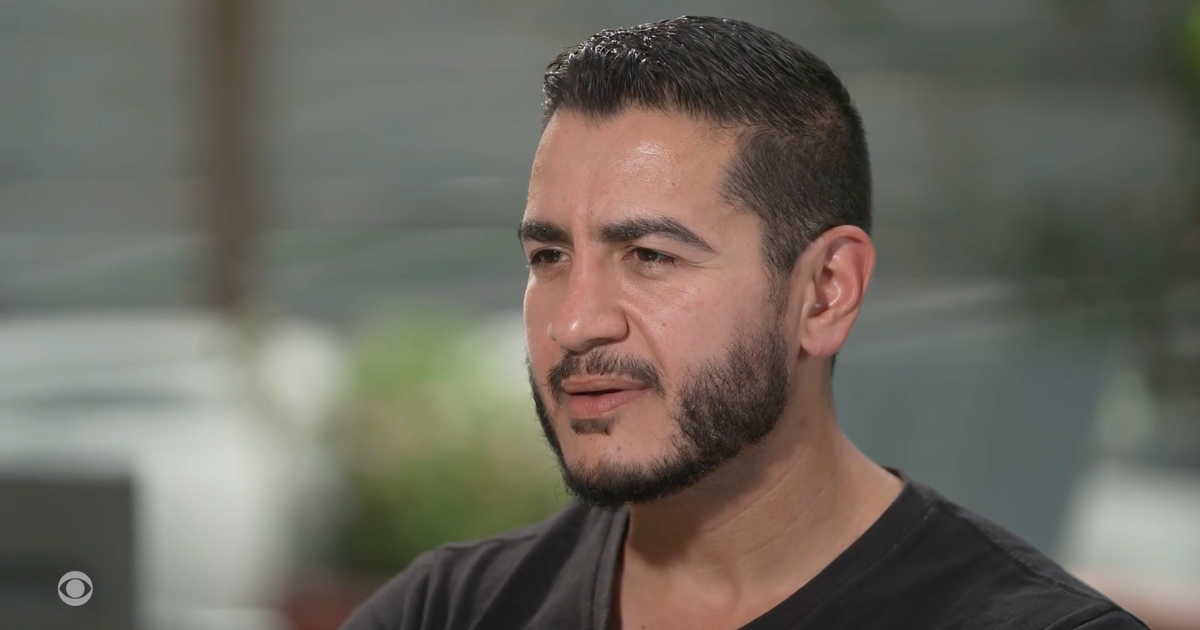
Abdul El-Sayed is making a direct challenge to the Democratic establishment in Michigan’s Senate primary, arguing that voters in the battleground state are not simply looking for moderation and may be ready for a sharper break from politics as usual.
El-Sayed, a doctor and progressive populist who lost a 2018 primary for governor, faces Rep. Haley Stevens in Tuesday’s Democratic primary. Stevens, a moderate Democrat who represents a district outside Detroit, was recruited for the race by Senate Majority Leader Chuck Schumer and has the backing of many leading party figures.
In an interview with CBS News in Detroit on Monday, El-Sayed rejected the idea that Michigan voters are best understood as moderates.
“It’s always funny to me that people want to say that this state votes for moderates when it voted for Donald Trump twice,” he said. “It may just be that the better explanation is not that the state wants moderates: It’s that it’s so sick and tired of the establishment bought off by corporations on both sides of the political aisle that it was willing to hold its nose and vote for Donald Trump twice.”
The race has become a test of competing theories inside the Democratic Party. Stevens has endorsements from Gov. Gretchen Whitmer, outgoing Sen. Gary Peters, Schumer and Rep. James Clyburn, according to NBC News. El-Sayed has drawn support from progressive leaders including Sen. Bernie Sanders, Sen. Elizabeth Warren and Rep. Alexandria Ocasio-Cortez.
NBC News reported that El-Sayed has led Stevens by double digits in several recent polls, making the primary a closely watched measure of whether Democratic voters are turning away from the party’s center-left leadership during Donald Trump’s second presidency.
El-Sayed’s campaign is relying on grassroots donations and does not accept PAC money. Stevens has received tens of millions of dollars from several PACs, including AIPAC, which lobbies for U.S. support for Israel, CBS News reported.
El-Sayed told CBS News he is trying to build a “broad coalition” that includes “anybody who wants to take on fascism, anybody who wants to get money out of politics, anybody who wants to fight for union rights, anybody who wants to make sure that people can live free with clean air and drink clean water, anybody who wants to guarantee healthcare.”
He argued that Democrats have lost some support by focusing too narrowly rather than addressing the needs of most Americans.
“Sometimes, when the Democratic Party talks about a big tent, we push everybody into the corner and then go talk and pander to the corner,” El-Sayed said. “I’m just trying to bring everybody to the tent pole in the middle to talk about what we really need. We need good housing. We need good schools. We need healthcare.”
Asked whether there are views he does not want in the party, El-Sayed said, “We’re trying to define a viewpoint that’s built on money out of politics, money in your pocket, Medicare for all.”
The Democratic Socialists of America has not endorsed him, though Sanders and other democratic socialists have campaigned for him in Michigan. El-Sayed said he is not part of DSA and does not focus on party labels.
“I don’t do ideology,” he said. He added that DSA supporters should be welcomed into the Democratic Party, along with “Three-time Trump voters who want health care, who want to keep our money here at home.”
El-Sayed acknowledged that some opponents “really want to label me a socialist,” but said he sees himself differently.
“I’d rather think of myself as a capitalist who’s actually read about capitalism, in the sense that the biggest risk to capitalism was always going to be corporate consolidation and monopoly rather than government regulation,” he said. “In fact, you need some government regulation to make sure that capitalism runs well.”





Be First to Comment