Key takeaways:
- California, Arizona and Nevada could face collective Colorado River cuts of up to 3 million acre-feet through 2036 under the federal proposal.
- Colorado, Utah, New Mexico and Wyoming would be spared mandatory cuts for now under the U.S. Bureau of Reclamation framework.
- Lake Powell and Lake Mead have reached record low levels, and federal forecasts show Lake Powell could fall too low to power Glen Canyon Dam turbines by the end of the year.
California, Arizona and Nevada would face major Colorado River water cuts under a federal proposal released Friday, a temporary effort to slow a crisis on a river that supplies more than 40 million people across the West, Mexico and tribal nations.
The U.S. Bureau of Reclamation plan would spare Colorado, Utah, New Mexico and Wyoming from mandatory cuts for now, while directing reductions at the Lower Basin states. Federal officials are expected to finalize the plan in the coming days, as the seven states that depend on the river remain divided over a longer-term system for managing the shrinking waterway.
Under the 10-year framework, California, Arizona and Nevada could face collective cuts of up to 3 million acre-feet through 2036, “subject to hydrology,” the Department of the Interior said. The Guardian reported the cuts could amount to as much as 40% of the Lower Basin states’ collective total. One acre-foot is enough water to cover an acre of land one foot deep; the proposed cuts would equal roughly enough water to serve more than 25 million people a year.
The plan also would allow annual releases of between 5 million and 12 million acre-feet from Lake Powell, the basin’s second-largest reservoir. Water management decisions would be made every two years under the federal framework.
“This framework provides the flexibility to respond to changing hydrologic conditions while preserving the opportunity for the Basin States to continue working toward durable, consensus-based solutions,” Interior Secretary Doug Burgum said in a department statement.
The proposal follows years of stalled negotiations among the states and arrives only months before the current framework governing the river is set to expire, The Guardian reported. The federal government is expected to release a record of decision in the coming week detailing short-term operations under the plan. The Guardian reported that those operations are likely to closely follow an earlier Lower Basin proposal that would cut 3.2 million acre-feet from the states’ combined total over 2027 and 2028.
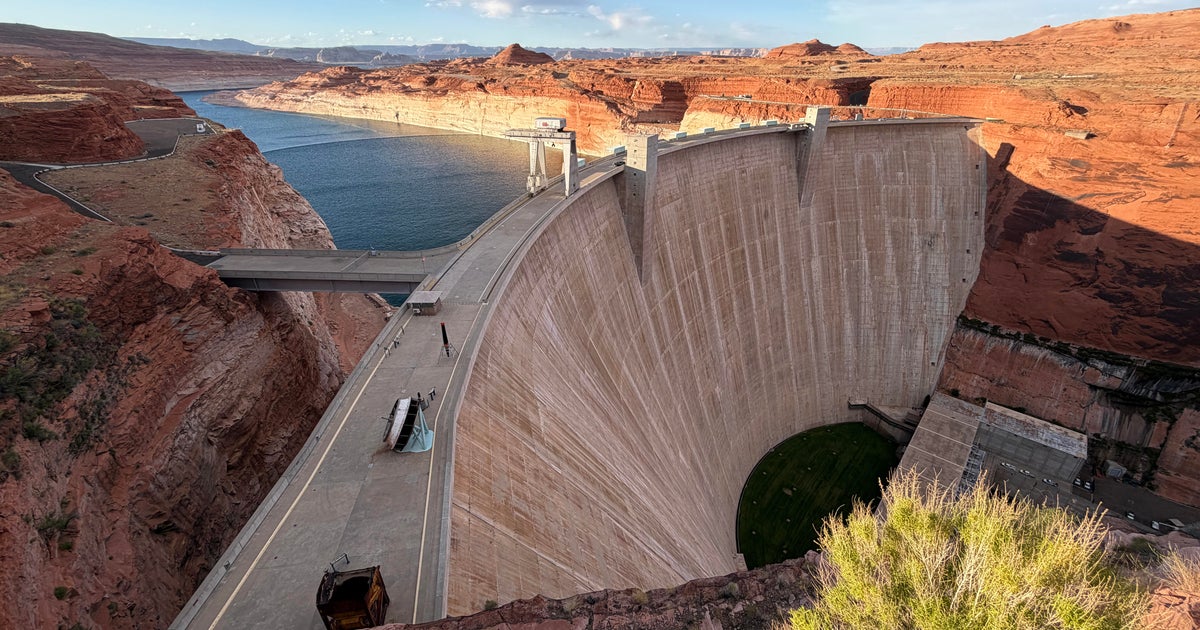
Lake Powell and Lake Mead, the nation’s two largest reservoirs, have fallen to record low levels after an exceptionally dry winter in the drought-stricken West. Federal forecasts show Lake Powell could drop so low by the end of the year that it would no longer be able to spin turbines at Glen Canyon Dam, which generate electricity for homes, businesses and irrigation systems across the region.
The proposed cuts would be the largest to date for California, Arizona and Nevada and could affect cities and farms through higher water prices, greater reliance on groundwater, more farmland taken out of production and new conservation mandates in places that have not had them before.
The Colorado River runs 1,450 miles from the Rocky Mountains into Mexico and supports cities including Las Vegas, Phoenix and Los Angeles, along with farms, wildlife, industries and hydropower. The Guardian reported that the basin irrigates 5.5 million acres of farmland, fuels an estimated $1.4 trillion in economic activity and provides habitat for more than 150 threatened or endangered species.
The river has been strained by years of overuse, rising temperatures and drought. The Guardian reported that flows in the Colorado are down 20% over the past century and precipitation has declined by about 7%. Along the river, ecosystems have already suffered: The Guardian reported that 14 native fish species are endangered or threatened, and wetlands in Mexico’s river delta have been dry for decades.









Be First to Comment