Key takeaways:
- The High Court ruled that planning approval for China’s proposed embassy at Royal Mint Court was lawful.
- The Royal Mint Court Residents’ Association says the embassy could pose espionage, human rights, protest and fire safety risks.
- The planned 20,000-square-metre site is set to become the largest embassy complex in the United Kingdom by area.
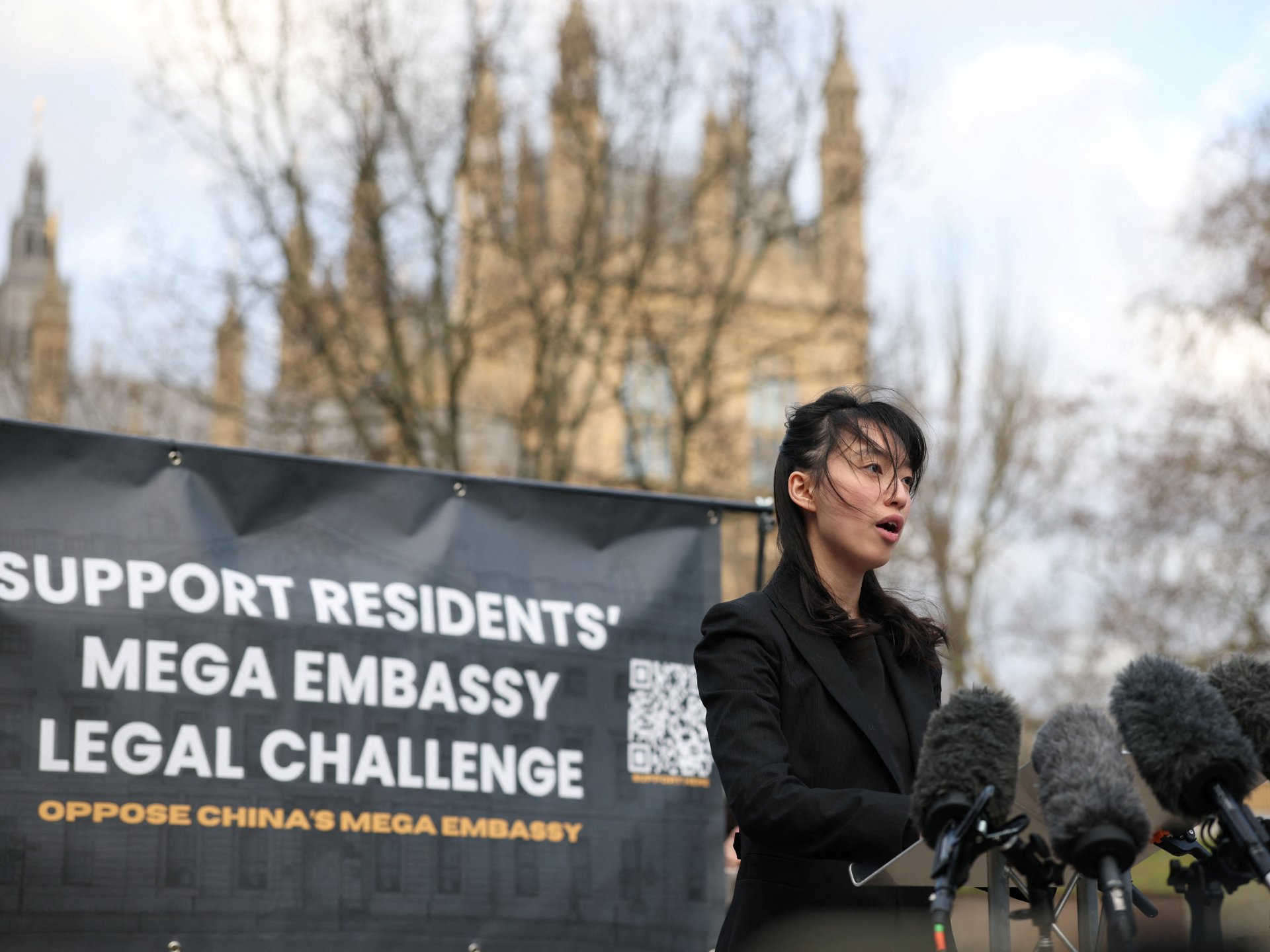
A High Court challenge to China’s planned “mega embassy” in central London has failed, clearing the way for a 20,000-square-metre diplomatic complex near the Tower of London that residents say could bring security, human rights and safety risks to their doorstep.
Two judges dismissed the claim brought by the Royal Mint Court Residents’ Association, which represents families and businesses in about 100 properties close to the proposed site. The court ruled that the housing minister and the London Borough of Tower Hamlets acted lawfully when planning permission was granted in January.
The development is planned for the former Royal Mint Court, a historic site near the Tower of London. Al Jazeera reported that Beijing bought the site in 2018 for a reported $327 million. The 20,000-square-metre, or 215,000-square-foot, complex is set to become the largest embassy complex in the United Kingdom by area.
The residents’ association argued that the project poses risks to people living nearby, including Chinese critics and dissidents. It said the site could become a base for spying, the enforcement of “draconian” Chinese laws on UK territory and the targeting of dissidents. The group also warned of possible “terror” attacks and repression of protests.
The association raised a separate concern over fire safety, arguing that if the Chinese government ignored safety obligations, British authorities might be unable to enforce them because of diplomatic immunity.
The Ministry of Housing, Communities and Local Government and Tower Hamlets defended the planning decision, saying they “conscientiously and carefully had regard” to the residents’ concerns.
Mrs Justice Lieven, sitting with Lord Justice Dingemans, said there was “no doubt” that the government took into account that the applicant for planning permission was the Chinese government. The judges ruled remotely that the residents’ “claims are … dismissed,” according to Al Jazeera.
The court also rejected an argument connected to a “blast assessment,” a document detailing the effect of a possible terrorist explosion. Mrs Justice Lieven said the residents’ association had not been disadvantaged by not receiving a copy of the assessment at the time of the planning decision.
“There was no unfairness to the claimant by reason of these documents not having been disclosed,” the judge said.
The residents’ association said it plans to appeal.
“Beijing thinks this judgement is the final word. It isn’t. The appeal is already in the works,” Luke Pollard, head of the residents’ association, said in a statement reported by Al Jazeera. “If they expect us to roll over and allow our own capital to become a CCP power centre, they have completely misjudged the strength of opposition to this mega embassy.”
The BBC reported that the High Court decision dismayed campaigners from the residents’ association. Al Jazeera reported that approval for the embassy came shortly before former Prime Minister Keir Starmer visited China.







Be First to Comment