Key takeaways:
- The Kenya Wildlife Service said 15 elephants died over the past month near Amboseli National Park, while the BBC reported 14 deaths under investigation.
- Ten elephants showed signs of partial paralysis before dying within two days, and five others were found dead with carcasses partly consumed by scavengers, CBS News reported.
- Preliminary University of Nairobi tests detected a potential toxic substance, but Kenya’s Government Chemist found no toxins among those tested, and further analysis is underway.
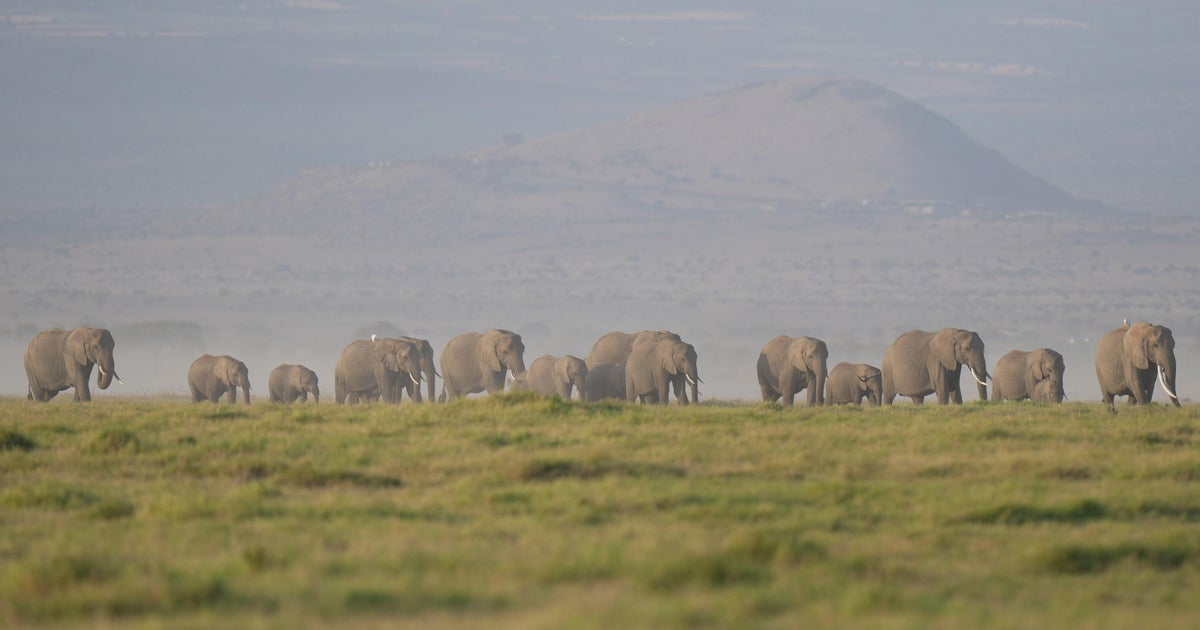
Kenyan wildlife authorities are investigating a cluster of elephant deaths near Amboseli National Park after more than a dozen animals were found dead or died shortly after showing signs of illness, raising concern in one of the country’s best-known elephant habitats.
The Kenya Wildlife Service said Tuesday that 15 elephants had died over the past month in areas around the park, CBS News reported. The BBC reported that an urgent inquiry had been opened into the deaths of 14 elephants in southern Kenya near Amboseli.
According to the Kenya Wildlife Service, 10 of the elephants showed signs of partial paralysis before dying within two days. Five others were found dead, their carcasses partly consumed by scavengers. Most of the affected animals were females and calves, with only one male among the dead, CBS News reported.
The deaths occurred in the Kimana Sanctuary and Kuku Ranch areas surrounding Amboseli National Park, the wildlife authority said. The BBC reported that carcasses were found in different locations around 15km to 30km, or about nine to 19 miles, from the park’s boundaries.
Officials said experts are examining the carcasses and have sent tissue samples to laboratories to determine whether the elephants died from disease, poisoning or another factor. The Kenya Wildlife Service told the BBC there is currently no evidence pointing to a single cause of death.
Initial testing has produced mixed findings. Preliminary analysis of samples collected from the elephants by a University of Nairobi laboratory detected a “potential toxic substance,” CBS News reported. Separate testing by Kenya’s Government Chemist was negative for the toxins examined. Further tests are underway.
“Environmental investigations are also being undertaken, including the analysis of water sources and other potential environmental contaminants within the affected areas, to establish whether the elephants were exposed to a common source,” the Kenya Wildlife Service said in a statement.
Officials have said there is no evidence that the condition can be transmitted to humans.
Kenya has previously recorded cases of elephant poisoning linked to poaching and human-wildlife conflict. But officials say this is the first time in decades that elephant deaths on this scale have been recorded in the Amboseli region, where authorities have successfully cracked down on poaching, the BBC reported.
The BBC said the dead elephants included animals of different ages and sexes, suggesting the deaths were not confined to one family group or demographic.
Amboseli National Park lies near the Tanzania border at the northwestern foot of Mount Kilimanjaro. The park and its surrounding area are known as the Amboseli ecosystem, a wildlife-rich landscape that straddles the border with Tanzania.
The Amboseli Trust for Elephants, which monitors elephant movements in the area, estimated that more than 2,000 elephants lived in the Amboseli ecosystem as of 2025, according to the BBC.









Be First to Comment