Key takeaways:
- The Clipper Endeavor crashed off Puerto Rico on April 11, 1952, after losing engine power shortly after takeoff for New York.
- All 69 people aboard survived the water landing, but only 17 lived after the plane sank within minutes and passengers struggled to find life vests and rafts.
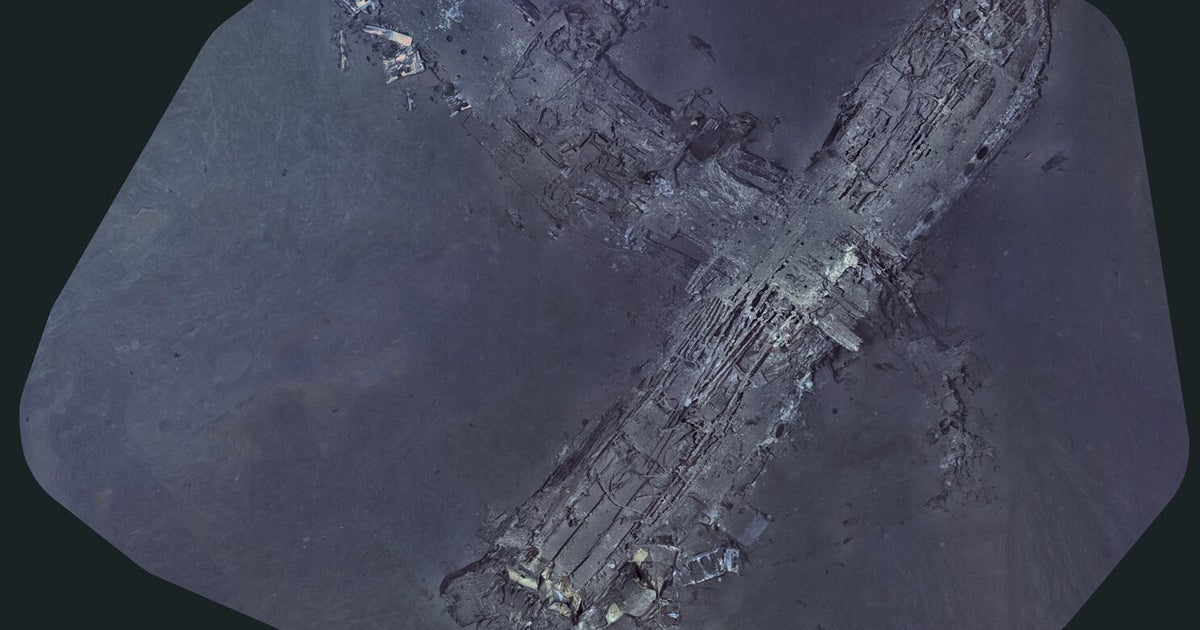
- An autonomous sonar-equipped drone found the wreckage about 2,000 feet underwater in a 10-square-nautical-mile search area.
Searchers have found the wreckage of a Pan American Airways plane that crashed into the Atlantic off Puerto Rico 74 years ago, a disaster that killed 52 people and helped lead to the mandatory safety briefings now given before every commercial flight.
The Clipper Endeavor, a Douglas DC-4 bound for New York, went down on April 11, 1952, after losing engine power shortly after takeoff. The plane made a violent water landing, and all 69 passengers and crew survived the impact. But the aircraft sank within minutes as confusion and panic spread through the cabin.
Survivors later told investigators that many passengers struggled to find life vests while the crew had difficulty deploying life rafts. Seventeen people survived. Fifty-two died.
“Although the Clipper was equipped with life rafts and personal floatation for all aboard, most of the passengers remained glued to their seats, more afraid of facing the reality of their situation than the momentary mirage of safety offered by remaining in the plane’s cabin,” the Pan Am Historical Foundation said. “It would prove a fatal mistake for 52 of them.”
Explorers located the wreckage about 2,000 feet below the surface using an autonomous sonar-equipped drone. The expedition was led by the Air/Sea Heritage Foundation in partnership with the Discovery Channel’s “Expedition Unknown” and other organizations. The drone detected the aircraft’s fuselage and tail, and a follow-up photographic survey confirmed the find, with images showing the Pan Am logo and the aircraft’s name still visible on the fuselage, the BBC reported.
The wreckage was found in two sections during the drone’s first pass over a 10-square-nautical-mile search area. According to the BBC, that first detection came on June 2.
“This accident changed aviation forever,” “Expedition Unknown” host Josh Gates said in a social media video announcing the discovery. “It led to sweeping changes, including the introduction of the now mandatory safety briefing every time you fly.”
Aviation safety expert John Cox, a pilot and founder of Safety Operating Systems, said the crash became part of the push for stronger passenger safety measures.
“This one became a catalyst, and it helped drive safety steps forward of better flotation equipment and the preflight briefings,” Cox said. “So this is one steppingstone along the path to what we today enjoy as aviation safety. It was a rallying cry at the time.”
Today, flight attendants are required to show passengers where exits are located, where life vests can be found and how to inflate them.
The search grew out of years of research by Russ Matthews, president of the Air/Sea Heritage Foundation, who became interested in the crash in 2019 after reading about a luggage tag from the flight that washed ashore in Florida. He later examined Pan Am, Coast Guard and Civil Aeronautics Board records. The Civil Aeronautics Board was the predecessor to the Federal Aviation Administration.
The key breakthrough came from records of a public hearing in Puerto Rico, including a map drawn by Air Force pilots who witnessed the crash while on a training flight. Researchers combined those records with weather data from the time to narrow the search area.
A previous attempt in 2024 using a towed sonar array was abandoned because of bad weather. Matthews said his team wanted to return before the crash’s 75th anniversary.
Deep Sea Vision, an undersea exploration firm, supplied the drone after one of its ships happened to be passing near Puerto Rico while carrying the right equipment. “There we were, and everything kind of came together at the moment: good weather, the right team, and the right equipment and ship. So we took a shot at it,” CEO Tony Romeo said.
Matthews called the discovery both emotional and sobering. “We are all stunned and elated by this discovery, yet also humbled to remember what happened in that place so long ago,” he said.
The expedition team said it is working with Puerto Rico’s government to expand protections for the wreck site and has contacted some families affected by the crash, including the accident’s only two known living survivors. The search will be featured in a special episode of “Expedition Unknown” this fall.





Be First to Comment