Key takeaways:
- HHS is pausing $867.5 million in Medicaid payments to California and about $199 million to $200 million to Minnesota pending further documentation.
- Officials said California claims tied to some in-home care programs showed spending growth above national trends, while Minnesota claims covered 14 high-risk service areas.
- Kennedy said officials used AI and analytics to identify suspicious activity, and CMS Administrator Mehmet Oz said unresolved claims that “smell like fraud” will not be paid.
The Trump administration is holding back more than $1 billion in Medicaid payments to California and Minnesota, saying the states must provide more documentation before federal matching funds tied to high-risk claims can be released.
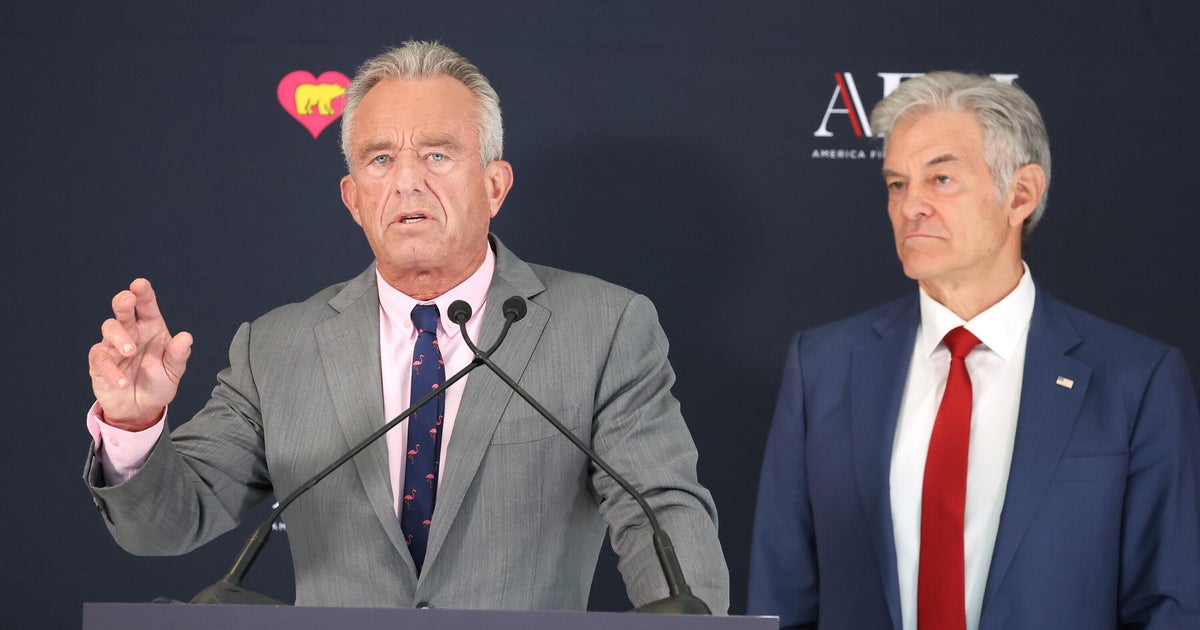
Health and Human Services Secretary Robert F. Kennedy Jr. announced the pause Tuesday as part of a broader federal crackdown on suspected fraud and noncompliance in public assistance programs. The Centers for Medicare and Medicaid Services reviewed claims in the two states and identified payments that require additional scrutiny, HHS said.
The withheld money includes $867.5 million for California and about $199 million to $200 million for Minnesota. The administration said the funding is being deferred, not cut, and that state officials can obtain the money if they show the claims comply with federal standards.
“If those states want that money, they need to provide documentation that these payments are legitimate,” Kennedy said at a news conference, according to The Guardian.
For California, officials said they examined claims for some in-home care programs and found spending growth that outpaced national trends. Kennedy said most of the suspected fraud in California involved in-home services, according to The Guardian. In Minnesota, CMS said it reviewed claims in 14 high-risk service areas that need further documentation.
“Medicaid exists to serve vulnerable Americans — not to bankroll unsupported claims,” Kennedy said in a statement. “Under President Trump’s leadership, we are restoring accountability across our public programs and protecting taxpayer dollars.”
Kennedy said officials used technology to flag questionable payments. “We used AI, advanced analytics, and other cutting-edge tools to identify suspicious activity and potential fraud,” he said, according to The Guardian.
CMS Administrator Dr. Mehmet Oz described the payment deferrals as part of the administration’s “new approach to program integrity.”
“CMS is done trying to chase down stolen and misused funds after they’ve already left the building,” Oz said in a statement.
At the news conference, Oz said federal officials had identified areas at high risk of fraud, but said states had not fully documented unresolved claims. “If it smells like fraud, we’re not paying for it any more,” he said, according to The Guardian. He also said some payments had been used to “pad the pockets of criminals,” adding, “No más, no more. It stops.”
The administration’s action follows an earlier $243 million pause in Medicaid payments to Minnesota, The Guardian reported. Minnesota sued HHS in March over the withholding of Medicaid funds.
The Trump administration launched an anti-fraud task force earlier this year targeting potential abuses in federal programs in California and other states. Vice President JD Vance threatened in March to withhold funds from states that did not cooperate with the task force, which he heads and which was created by a White House executive order, The Guardian reported.
Kennedy also said HHS is expanding its exclusion authority to override states and remove “bad actors” from federal health care programs, including permanently banning them from receiving federal funding.
The Justice Department announced in April that eight people were arrested and charged in connection with a health care and hospice fraud investigation. Prosecutors said they defrauded the health care system of more than $50 million. A CBS News analysis in March found that more than 700 of roughly 1,800 hospices in Los Angeles County triggered multiple fraud red flags as defined by California.
In Minnesota, federal officials have focused on vulnerabilities in public assistance programs after more than 75 people were charged in an alleged $250 million pandemic-era fraud scheme. Dozens of others have been charged in other alleged fraud schemes involving public assistance programs, and the U.S. attorney in Minnesota estimated total fraud in the state could exceed $1 billion.



Be First to Comment