Key takeaways:
- The US military said its latest strikes on Iran were intended to “further degrade” Tehran’s ability to attack ships in the Strait of Hormuz.
- Trump said Iran had been hit “very hard” after three US soldiers were killed recently, including two in Jordan and one in Iraq.
- Jordan said it shot down three Iranian missiles, Kuwait said it intercepted Iranian drones, and Bahrain said Iranian drones targeted its air navigation systems without disrupting traffic.
The United States launched a new round of strikes on Iran aimed at weakening its ability to attack ships in the Strait of Hormuz, as President Donald Trump warned Tehran would pay “many times over” for the deaths of American soldiers in the region.
The US military said the latest attacks were intended to “further degrade” Iranian capabilities in the strategic waterway. The strikes marked the 10th consecutive night of US attacks, following an earlier round on Monday that targeted Iranian military and communications sites.
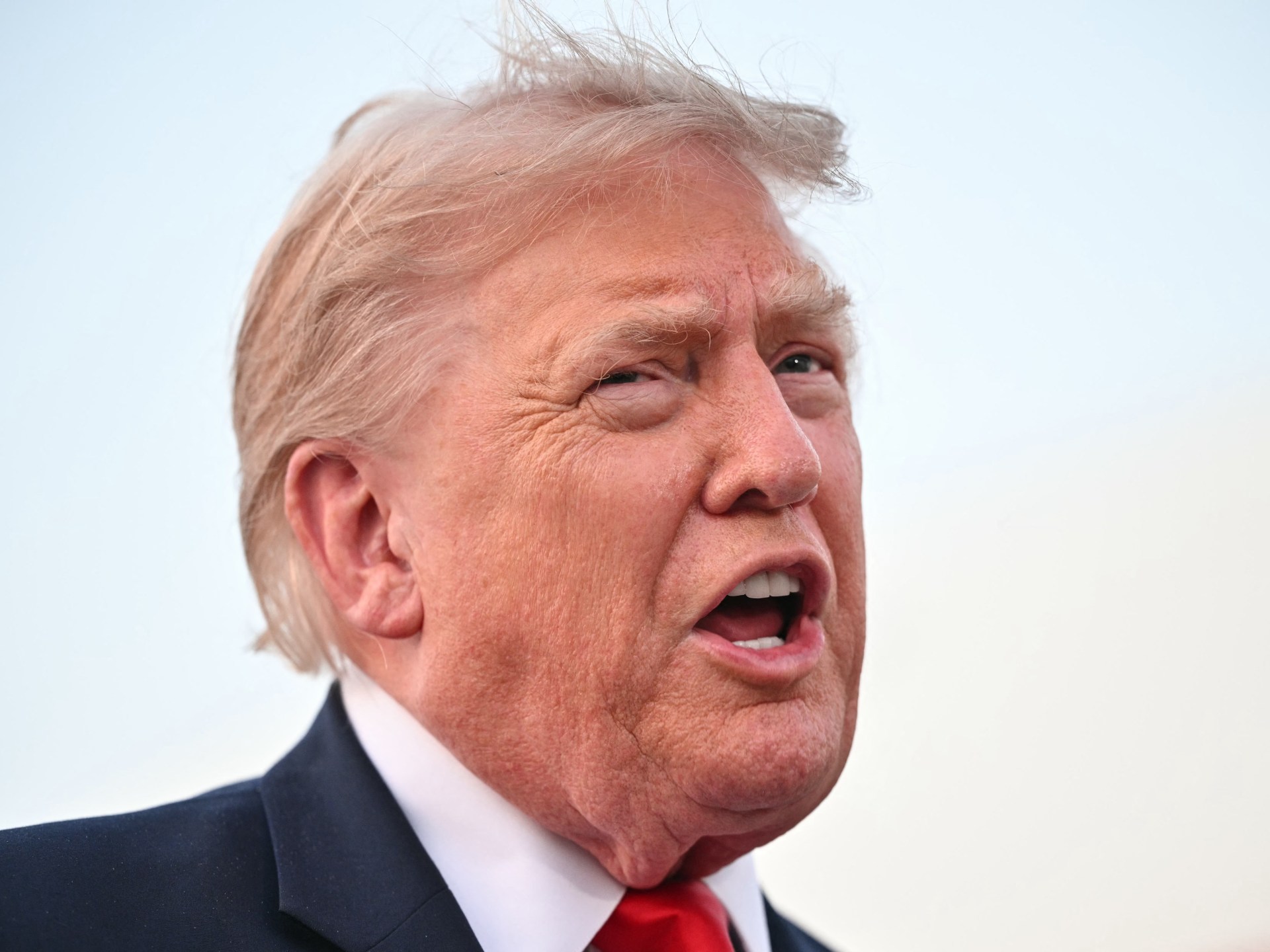
Trump said Iran had been hit “very hard” the previous night “in honour” of three US soldiers killed recently — two in Jordan and one in Iraq. On social media, he wrote: “Every time Iran kills an American Soldier they will pay for that killing many times over!” He said the directive had been passed to Secretary of War Pete Hegseth, Chairman of the Joint Chiefs of Staff Daniel Caine and military leaders.
The US service member killed in Iraq died during the “controlled detonation” of a downed Iranian drone, Al Jazeera reported. The US military also identified two soldiers killed in Jordan on Friday while defending against Iranian ballistic missile and drone attacks. Seventeen US troops have been killed since the start of the five-month US-Israel war on Iran, according to Al Jazeera, and roughly 430 US troops have been injured.
The White House said Trump would attend dignified transfer ceremonies at Dover Air Force Base in Delaware for the service members killed.
Iran said it had struck sites in Bahrain, Jordan and Syria. President Masoud Pezeshkian said Iran was now fighting a “full-scale war” with the United States, while Tehran also said diplomatic messages were still being exchanged through intermediaries despite the collapse of a ceasefire.
Across the region, several US allies reported Iranian attacks or interceptions. Jordan’s military said late Monday it shot down three Iranian missiles as sirens sounded nationwide. Kuwait’s armed forces said earlier that they had intercepted Iranian drones. Bahrain said drones launched by Iran had targeted its air navigation systems, though air traffic was not affected.
Iran’s semi-official Tasnim news agency reported that several cities were hit in the US strikes, including Tabriz, Chabahar, Konarak, Bandar Mahshahr and Bandar Imam Khomeini.
Iranian state media also reported that two oil tankers exploded while trying to cross the Strait of Hormuz. Iran’s Islamic Revolutionary Guard Corps said the vessels were using what it called an “unsafe and hazardous southern route” and “exploded and were brought to a halt.” US Central Command disputed the claim.
The renewed exchanges, now in their second week, have included US strikes on Iranian bridges and electrical facilities, Al Jazeera reported. The outlet also reported that Iran retaliated Monday with attacks on Kuwait and Bahrain, where the US Navy’s 5th Fleet is based.
A US official told Reuters that before the deadly attack in Jordan, Washington had already begun moving additional military aircraft, including fighter jets and refuelling tankers, to the Middle East. Reuters also reported, citing sources, that recent US strikes meant to force open the Strait of Hormuz have targeted Iranian military capabilities the US would want to destroy before carrying out more complex operations.
The war and its cost are expected to be a focus of a US congressional hearing Tuesday with Hegseth and Caine.








Be First to Comment