Key takeaways:
- More than 500,000 people were evacuated in Zhejiang province and another 100,000 in Fujian as Bavi approached eastern China.
- Typhoon Bavi is expected to make landfall near Wenzhou early Sunday and could bring exceptionally heavy rain to Zhejiang and Fujian.
- At least 17 people died in the Philippines from landslides linked to heavy rains worsened by Bavi’s impact.
More than 600,000 people have been evacuated from eastern China as Typhoon Bavi, the country’s second major storm threat in a week, pushes toward landfall near the coastal city of Wenzhou.
Chinese authorities said Saturday that more than half a million people had been moved from eastern Zhejiang province and another 100,000 from neighboring Fujian province. Bavi is expected to come ashore near Wenzhou, a densely populated city of about 10 million people, early Sunday with heavy rain and dangerous winds.
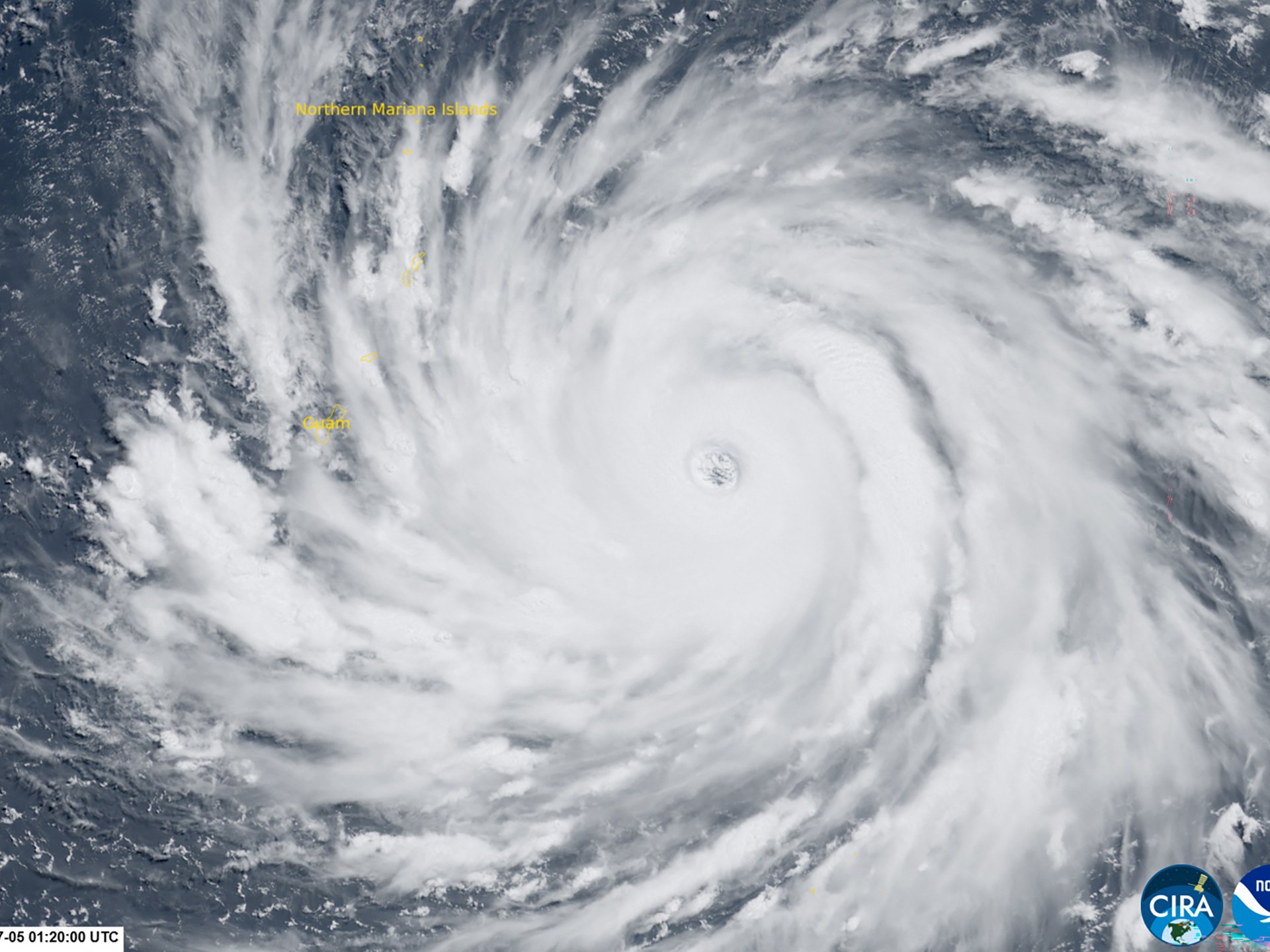
The storm, which at its widest spans about 1,000 kilometers, or 620 miles — roughly the width of France — has weakened from a super typhoon to a Category 1 typhoon. Meteorologists and officials still warned it remains dangerous because of the enormous amount of moisture packed into its rain bands.
Authorities forecast “exceptionally heavy rains” in eastern Zhejiang and northeastern Fujian and said the evacuations were “undertaken entirely to guard against the [worst-case] scenario.” China’s national weather agency issued an orange typhoon alert, the second-highest level on its four-tier scale.
The preparations disrupted daily life across the region. Hundreds of flights have been canceled, rail services reduced, and schools and ferry routes suspended. Supermarket shelves were cleared in some areas as residents stocked up before the storm.
“I’m a little worried, but I think it’ll be OK,” Wenzhou resident Huang Xinghuan, 50, told Reuters while buying groceries at a traditional wet market before it closed ahead of the typhoon. He said his family had stored two or three days of water and that food supplies remained secure. “We’ve been through typhoons before. We’ll get through it,” he said.
In Ningde city in Fujian province, more than 3,700 people had been evacuated from high-risk onshore areas by Friday evening, Xinhua reported. Authorities there placed more than 17,000 emergency rescue workers on standby.
Bavi began as a super typhoon and battered Guam and the Northern Mariana Islands on Monday with winds of 290 kilometers per hour, or 180 mph. It weakened as it moved northwest across the Pacific, but still struck Japan’s Sakishima islands, part of the Ryukyu chain between Japan’s main islands and Taiwan, with winds reported at 144 kilometers per hour. At least five people were injured there, thousands lost power, and more than 200 flights were canceled across Japan as officials in Okinawa warned of high waves, strong winds and storm surges.
Taiwan did not take a direct hit, but Bavi brushed the island’s northern tip and brought heavy rain and winds. Authorities had warned the storm could bring up to 1 meter, or 39 inches, of rainfall. Al Jazeera reported that at least 36 people were injured in Taiwan, mainly while riding motorcycles on slippery roads, and that 14,210 people had been evacuated by Saturday morning, especially from Taichung and Hualien. Schools, offices and most restaurants across Taiwan were closed.
The storm’s effects have already proved deadly in the Philippines. At least 17 people were killed after heavy rains, brought by an enhanced southwest monsoon and worsened by Bavi’s impact, triggered landslides overnight Friday.
Southern China is still recovering from Typhoon Maysak earlier in the week. The storm killed at least 39 people, killed large numbers of livestock and caused major agricultural losses. It also spawned two rare tornadoes in central Hubei province. Al Jazeera reported that in Nanning, a breached dam sent torrents of water through city streets.










Be First to Comment