Key takeaways:
- Michigan reported 992 cyclosporiasis cases Wednesday, far above its usual total of about 50 cases a year, with about 40 hospitalizations and no deaths reported.
- The CDC had confirmed 145 cases in 17 states from early May to June 16, but federal data lags behind state reporting.
- Cyclospora can cause watery, sometimes explosive diarrhea, and past outbreaks have been linked to contaminated produce, though the source of the current outbreak remains unknown.
Nearly 1,000 people in Michigan have been diagnosed with cyclosporiasis, a parasitic illness that can cause weeks of watery diarrhea, in the state’s largest recorded outbreak and one of the biggest in the United States in recent years.
No deaths have been reported, and health officials have not identified the source of the infections. Michigan reported 992 cases Wednesday, including about 40 hospitalizations, after initially announcing last week that it had more than 170 cases concentrated in the southeastern part of the state. Michigan typically identifies about 50 cases a year.
Cases also have been reported beyond Michigan. The U.S. Centers for Disease Control and Prevention had confirmed 145 cases across 17 states from early May to June 16, including Illinois, Maryland, Massachusetts, New York and Texas, though the agency’s data lags behind state reports. Investigations into similar illnesses have been underway in 28 other states, CBS News reported. The Guardian reported that Ohio had 177 cases as of July 2 since the CDC’s last count, while CBS News reported that Lucas County, Ohio, had 306 cases as of Wednesday and that northwest Ohio had more than 400.
“There is clearly a linked outbreak happening right now,” Dr. Natasha Bagdasarian, Michigan’s chief medical executive, told The Associated Press.
The Food and Drug Administration said Wednesday night that its investigation was “ongoing.” In a statement to CBS News, the agency said the FDA and CDC “continue to monitor case counts and cluster activity” and that the FDA is “engaged with state partners to assist in an outbreak response.”
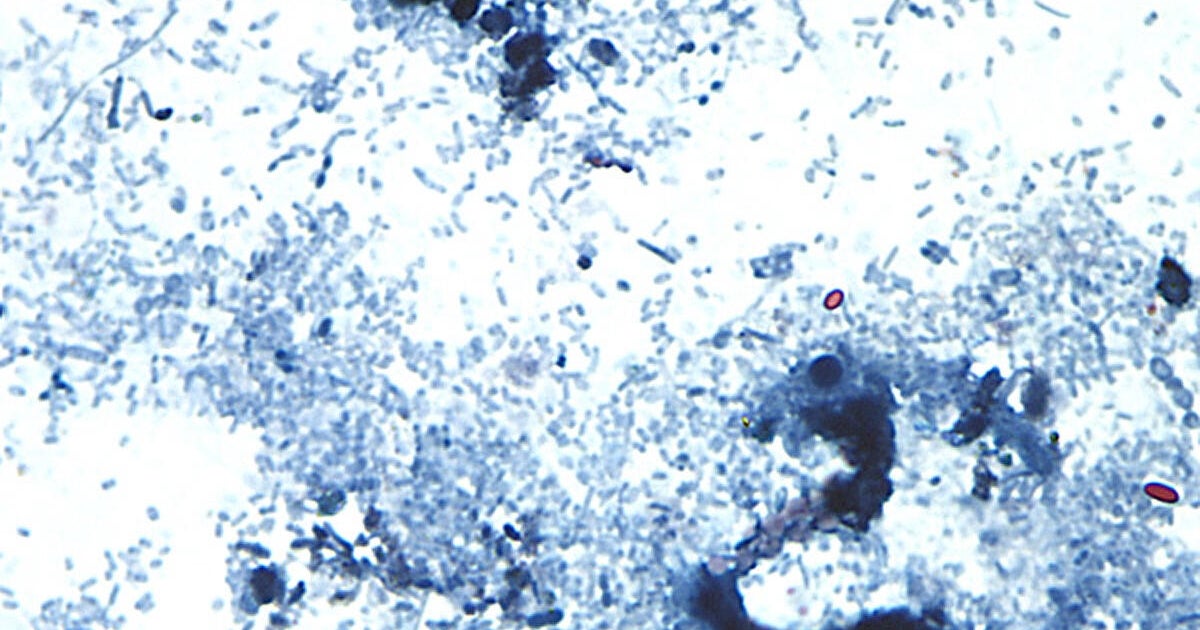
Cyclospora is a microscopic parasite that infects the intestines and spreads through feces. The illness it causes, cyclosporiasis, is rarely life-threatening, according to the CDC, but it can cause watery diarrhea “with frequent and sometimes explosive bowel movements.” Other common symptoms include loss of appetite, weight loss, cramping, bloating, nausea and fatigue. Less common symptoms can include vomiting, body aches, headache, low-grade fever and other flu-like symptoms.
Outbreaks most often occur in late spring and summer. In past outbreaks, people have become infected after eating fruits or vegetables exposed to feces-contaminated irrigation water. Michigan health officials said previous U.S. and Canadian outbreaks have been linked to bagged salad mixes, fresh cilantro, fresh basil, raspberries, snow peas and scallions. The current source remains unknown.
Investigating cyclospora outbreaks can be difficult. Some food poisoning tests do not detect the parasite, and technicians cannot grow it in laboratories, making it harder to connect illnesses to contaminated produce. Melanie Firestone, a University of Minnesota foodborne illness researcher, told CBS News that “there is a lot of underreporting when it comes to this.”
It also can be hard to identify a common ingredient, such as basil or cilantro, that may appear in many recipes. Food distribution patterns can further complicate efforts to determine whether tainted food reached grocery stores, restaurants or both. Investigations can take months and sometimes never identify a clear source.
Thousands of cyclospora illnesses are reported in the United States each year. Dianna Blau, the CDC’s acting parasitic diseases branch chief, said there is no evidence that the parasite has evolved to become more infectious. Bagdasarian said Michigan’s aggressive case investigation and reporting may be “part of the reason why this looks like a Michigan problem.”
People with diarrhea that does not go away within a few days should contact a health provider and ask about cyclospora, officials said. Most people recover without treatment, the CDC said, though antibiotics can be used and patients should stay hydrated. The illness is not known to spread person to person.
Health officials advise people to avoid food or water that may be contaminated and to wash fresh produce thoroughly, though washing may not eliminate the risk because cyclospora can cling to some foods. Michigan officials recommend buying whole heads of lettuce instead of prewashed bagged lettuce or salad mixes, removing the outer two to three leaves, washing the remaining leaves under running water and cooking vegetables when possible.










Be First to Comment