Key takeaways:
- U.S. Central Command said Wednesday’s strikes were ordered by President Trump to degrade Iran’s ability to threaten navigation in the Strait of Hormuz.
- The escalation followed Iranian attacks on three commercial oil tankers and U.S. strikes on dozens of targets inside Iran, according to CBS News.
- A mid-June memorandum of understanding had extended the ceasefire by 60 days and reopened the Strait of Hormuz, but both sides accuse the other of violating it.
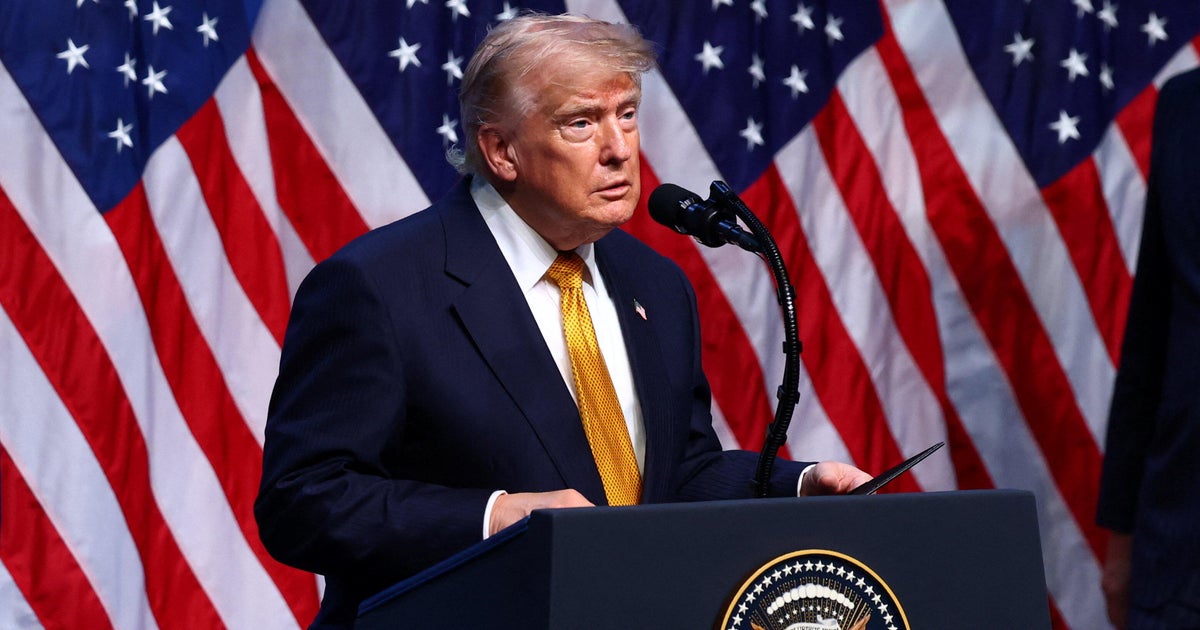
The U.S. military launched a second consecutive night of strikes against Iran late Wednesday, escalating a rapidly widening exchange that President Trump said has ended a three-month-old ceasefire between the two countries.
U.S. Central Command said on X that the new attacks were ordered by Trump and were intended to “further degrade” Iran’s ability to threaten freedom of navigation in the Strait of Hormuz. CENTCOM said Washington was holding Iran accountable for what it called “recent unjustified aggression against commercial shipping and civilian crews freely navigating a vital international waterway.”
CENTCOM did not release details on the scope or targets of the strikes. Iranian state media reported explosions in several cities, including the southern port city of Bandar Abbas. Iran’s Mehr News Agency reported that air defenses were engaging what it described as “hostile targets” near Bandar Abbas, and that explosions were heard near Konarak, Chabahar and Bushehr.
The latest strikes followed Iranian attacks on three commercial oil tankers in the Strait of Hormuz on Monday and Tuesday, according to U.S. officials cited by CBS News. The Trump administration responded Tuesday by striking dozens of targets inside Iran and rescinding a sanctions waiver that had allowed Iran to sell oil abroad. Iran then fired drones and missiles at U.S.-allied Kuwait and Bahrain; Al Jazeera reported that Iran’s Islamic Revolutionary Guard Corps struck U.S. military sites in both countries.
Hours before Wednesday night’s strikes, Trump told reporters he would “hit [Iran] hard again tonight.” Asked about the ceasefire, which had repeatedly been strained by renewed fighting, he said, “As far as I’m concerned, it’s over.”
The escalation is the most severe since the United States and Iran signed a memorandum of understanding in mid-June aimed at ending the fighting. The agreement extended the ceasefire by 60 days, reopened the Strait of Hormuz, ended a U.S. naval blockade on Iranian ports and started a process for easing sanctions on Iran. The two sides also agreed to hold two months of talks on unresolved issues, including Iran’s nuclear program and administration of the Strait of Hormuz.
Since then, both countries have accused the other of violating the agreement. Commercial shipping had begun returning to the strait, easing oil prices, but disputes persisted over Iran’s role in controlling passage through the waterway.
Al Jazeera reported that a key point of contention is the fifth clause of the memorandum, which says Iran “will make arrangements using its best efforts for the safe passage of commercial vessels, with no charge for 60 days only, from the Persian Gulf to the Sea of Oman, and vice versa.” Iranian Foreign Ministry spokesman Esmaeil Baghaei said Wednesday that Tehran interprets the clause to mean it has sole “responsibility in determining arrangements for the safe passage of ships through the Strait of Hormuz.” Al Jazeera reported that Iran has used that position to justify attacks on unapproved vessels.
The Trump administration says the agreement requires unfettered passage for all vessels. Al Jazeera’s Kimberly Halkett reported from Washington that the White House views the strait as an international waterway essential to the global economy.
Trump expressed deep skepticism Wednesday about further talks. Speaking during a NATO summit in Turkey, CBS News reported, he called Iran’s leaders “sick” and said “it’s just a waste of time dealing with them.”
“I’ll let our wonderful negotiators keep talking if they want, but I don’t see it,” Trump said. “I don’t like these people, you know that.”
He added that he was “not sure I want to make a deal with them,” saying, “Let’s just finish the job.” Al Jazeera reported that Trump also said he did not want a return to full-fledged war and suggested negotiations could continue, while warning that the U.S. could reinstate its naval blockade on Iran, target electricity and water plants, or “may take over” Iran’s Kharg Island.








Be First to Comment