Key takeaways:
- Washington, D.C., canceled its 10:30 a.m. Independence Day parade after forecasts showed a heat index of 110 to 115 degrees.
- Organizers planned about 850,000 fireworks from 10 sites in Washington, with a 40-minute display aimed at setting a Guinness World Record.
- The capital’s main events were designated a national special security event, placing the Secret Service in charge, with no specific, credible threats reported.
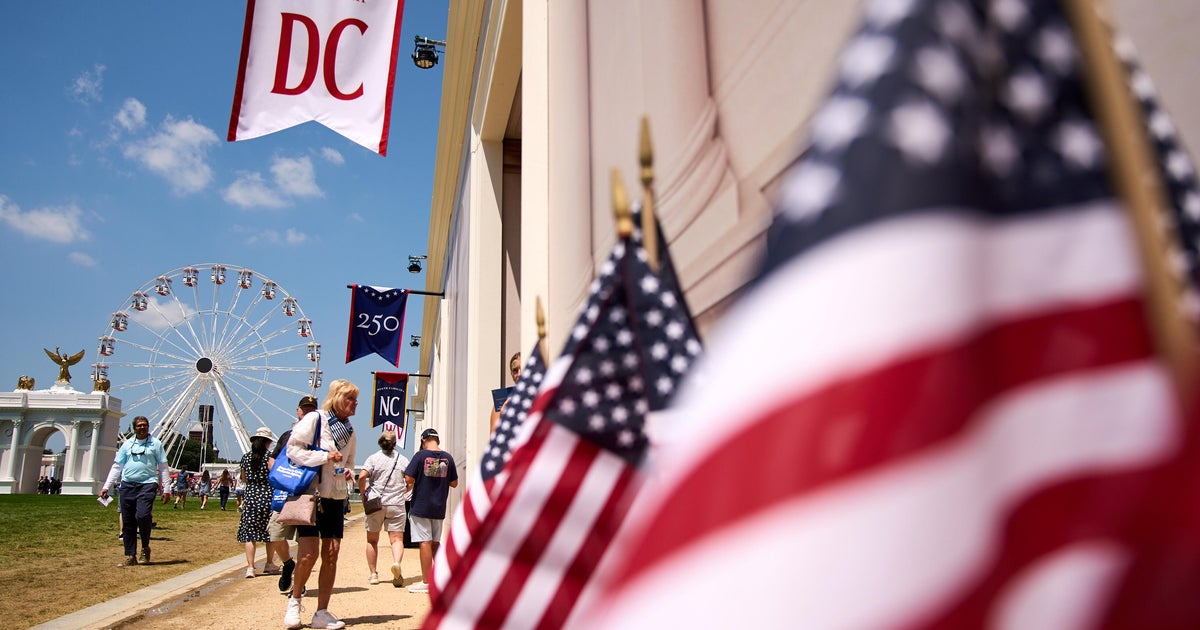
Extreme heat forced Washington, D.C., to cancel its Independence Day parade Saturday, but the capital pressed ahead with a large-scale celebration of America’s 250th birthday featuring military flyovers, a presidential address and a fireworks display organizers described as potentially historic.
The America’s Independence Day Parade had been scheduled for 10:30 a.m., but organizers said they canceled it after “extensive and careful consideration of the safety of our participants, spectators, and staff as the top priority.” The heat index was expected to reach 110 to 115 degrees, and an extreme heat warning was in effect for the city. A forecast high of 102 degrees would exceed Washington’s July 4 record of 100, set in 1919.
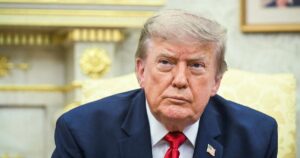
President Donald Trump was expected to appear on the National Mall for the Salute to America 250 Celebrations & Fireworks, which the BBC reported he had billed as a “spectacular rally.” The main event was scheduled to begin at 7 p.m. local time, with Trump expected to speak later in the evening. CBS News reported that he was expected to speak around 9 p.m., while the BBC reported the address was expected at about 9:45 p.m. Trump has said he would give a “really long speech” despite the heatwave, “to show that I can do anything,” the BBC reported.
The day’s program included military flyovers every hour from 1:15 p.m. local time until sunset, organizers said. The BBC reported that hundreds of aircraft were expected to take part and that Trump’s new Air Force One would appear in one formation over the capital.
The fireworks show was scheduled to begin after the president’s remarks, around 10:30 or 11 p.m. CBS News reported that D.C. Metropolitan Police Department Interim Chief Jeff Carroll called it “the largest display of fireworks our city has ever seen.” According to the BBC, organizers planned to launch about 850,000 fireworks from 10 sites, including eight barges on the Potomac River. The display was expected to last 40 minutes, twice as long as the usual Washington show, and organizers hoped to secure a Guinness World Record for the largest official fireworks show ever.
Security was tight. The main Fourth of July events in Washington were designated a national special security event, the highest such status, putting the Secret Service in charge. “I will tell you that you’ve had hundreds, if not thousands, of law enforcement professionals planning this event for several months,” said Tara McLeese, the special agent in charge of the Secret Service’s Washington field office. The U.S. Marshals Service swore in hundreds of officers from 44 local law enforcement agencies to help protect the capital. Officials said there were no specific, credible threats.
The Federal Aviation Administration said it would pause flight operations at Ronald Reagan Washington National Airport from noon until 11:59 p.m. for flyovers, fireworks and other events. The FAA said the measures had been planned for months “to help ensure the safe and efficient movement of air traffic during celebrations of America’s 250th birthday.”
The heat also affected other parts of the celebration. The Great American State Fair on the National Mall closed early Friday afternoon before reopening in the evening and was scheduled to open at noon Saturday with free water, cooling tents and air-conditioned cooling buses. Some fireworks displays in nearby suburbs were canceled or postponed.
Beyond Washington, New York’s Times Square marked the holiday with eight ball drops to signal midnight in each American time zone, beginning with Guam and the Northern Mariana Islands and ending with American Samoa. “This is more than a countdown. It’s a moment that brings the entire country together, one time zone at a time,” said Rosie Rios, chair of America250.
The BBC reported that the Washington celebration has drawn political criticism, with opponents accusing Trump of politicizing the anniversary. California Democratic Sen. Alex Padilla said at a June 24 hearing, “President Trump couldn’t help but try making America’s 250th birthday all about himself.” Freedom250, the White House-backed public-private partnership organizing the event, rejected the criticism as a “partisan smear.”


Be First to Comment