Key takeaways:
- The Pentagon press office has been redesignated as a Sensitive Compartmented Information Facility because speechwriters who handle classified material use the space.
- Journalists may no longer enter the press office, though access to public affairs and press secretary offices remains available by appointment only, according to the Pentagon.
- The move follows earlier Pentagon restrictions on press credentials, office access and escort requirements that have prompted lawsuits from The New York Times.
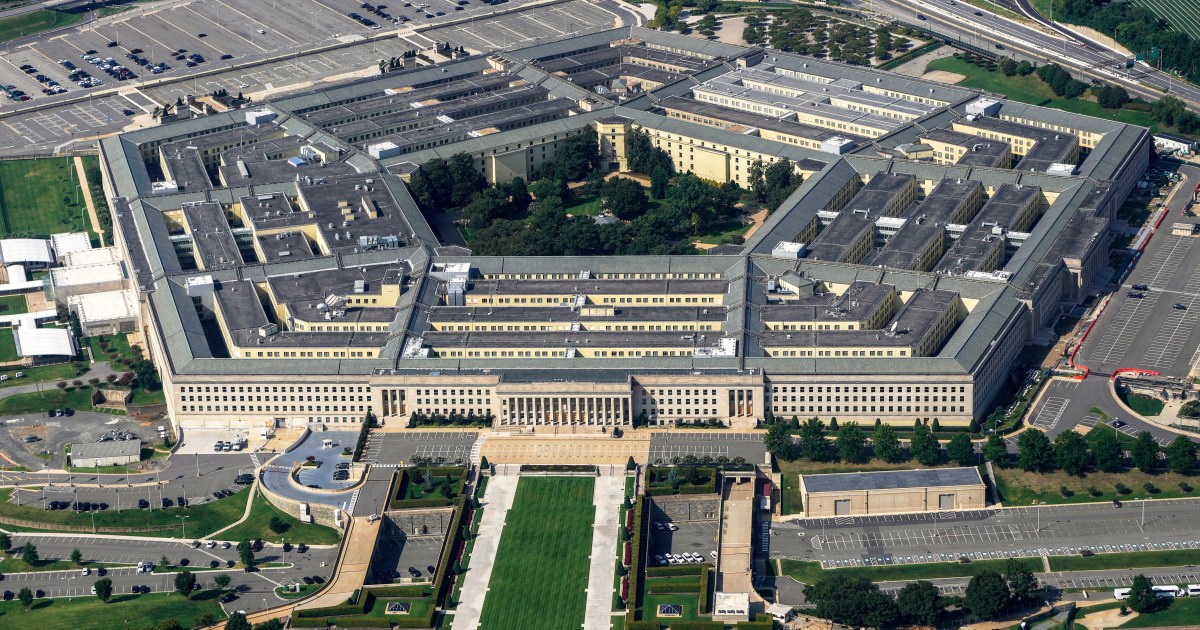
Journalists will no longer be allowed to enter the Pentagon’s press office after the Defense Department redesignated the space as a classified facility, a move media freedom advocates described as another restriction on independent reporting about the U.S. military.
The change was first reported by The Washington Post and later confirmed by the Pentagon. Acting Pentagon Press Secretary Valdez said the office had been redesignated as a “Sensitive Compartmented Information Facility” because speechwriters from the Office of the Secretary of War use the space and handle classified material.
“The Pentagon Press Office has been redesignated as a Sensitive Compartmented Information Facility due to speechwriters from the Office of the Secretary of War sharing the facility,” Valdez said in a social media post, according to one source. “This is the most transparent war department in history. No amount of spin from the Fake News media will change that.”
In a statement provided to Al Jazeera, acting Pentagon Press Secretary Joel Valdez said the speechwriters “routinely handle classified material and require SIPRNet access,” referring to the secure computer network used by the Pentagon to share classified information. “As a result, journalists will no longer be permitted to enter the office space,” Valdez said. “Access to the office of the Assistant to the Secretary of War for Public Affairs and to the Press Secretary remains available by appointment only.”
The Trump administration has preferred to refer to the Defense Department as the War Department and to use the title Secretary of War for Defense Secretary Pete Hegseth, according to the sources.
The decision follows a series of restrictions on Pentagon press access since President Donald Trump returned to the White House. In September, the military demanded that journalists pledge not to gather any information, including unclassified documents, that had not been authorized for release or risk losing their press passes.
Credentialed reporters had long enjoyed broad access inside the Pentagon. But after the department announced sweeping restrictions in October, many longtime reporters refused to agree to the new rules and began turning over their credentials. That month, the department announced what it called a “next generation of the Pentagon press corps,” featuring 60 journalists from far-right outlets, according to one source.
The New York Times sued the Pentagon over policies that designated journalists as “security risks,” and a federal judge found in the newspaper’s favor in March. After that ruling, the Defense Department issued an interim policy barring journalists from visiting the Pentagon without an official escort.
A district judge later ruled that the interim policy violated his order, but it remained in place after an appeals court stayed part of the ruling to give the government time to appeal. In May, The New York Times sued the Pentagon again, arguing that the escort policy was “an unconstitutional attempt by the Pentagon to prevent independent reporting on military affairs.” Al Jazeera reported that the lawsuit seeks to overturn the escort requirement.
The National Press Club condemned the latest restrictions as a “troubling escalation” in the administration’s efforts to limit scrutiny of the Pentagon.
“Independent reporting on the US military is not optional,” National Press Club President Mark Schoeff Jr. said in a statement. “When journalists are pushed farther from the institutions they cover, the American people are left with less information, less transparency, and less oversight. Any effort to restrict that access should alarm everyone who values a free and informed society.”
The Freedom of the Press Foundation also criticized the move. Seth Stern, the group’s chief of advocacy, told Al Jazeera: “It’s rare for anything other than disingenuous spin and outright lies to come out of the Pentagon’s press office these days, so it’s hard to imagine what basis they have to call the space classified.”








Be First to Comment