Key takeaways:
- Mette Frederiksen’s new minority coalition will include the Social Democrats, Socialist People’s Party, Radikale Venstre and Moderates.
- The Social Democrats won 21.9% of the vote and 38 seats, their weakest result since 1903 and well short of a parliamentary majority.
- The incoming government faces tensions with the United States after President Donald Trump said he wants the U.S. to take over Greenland.
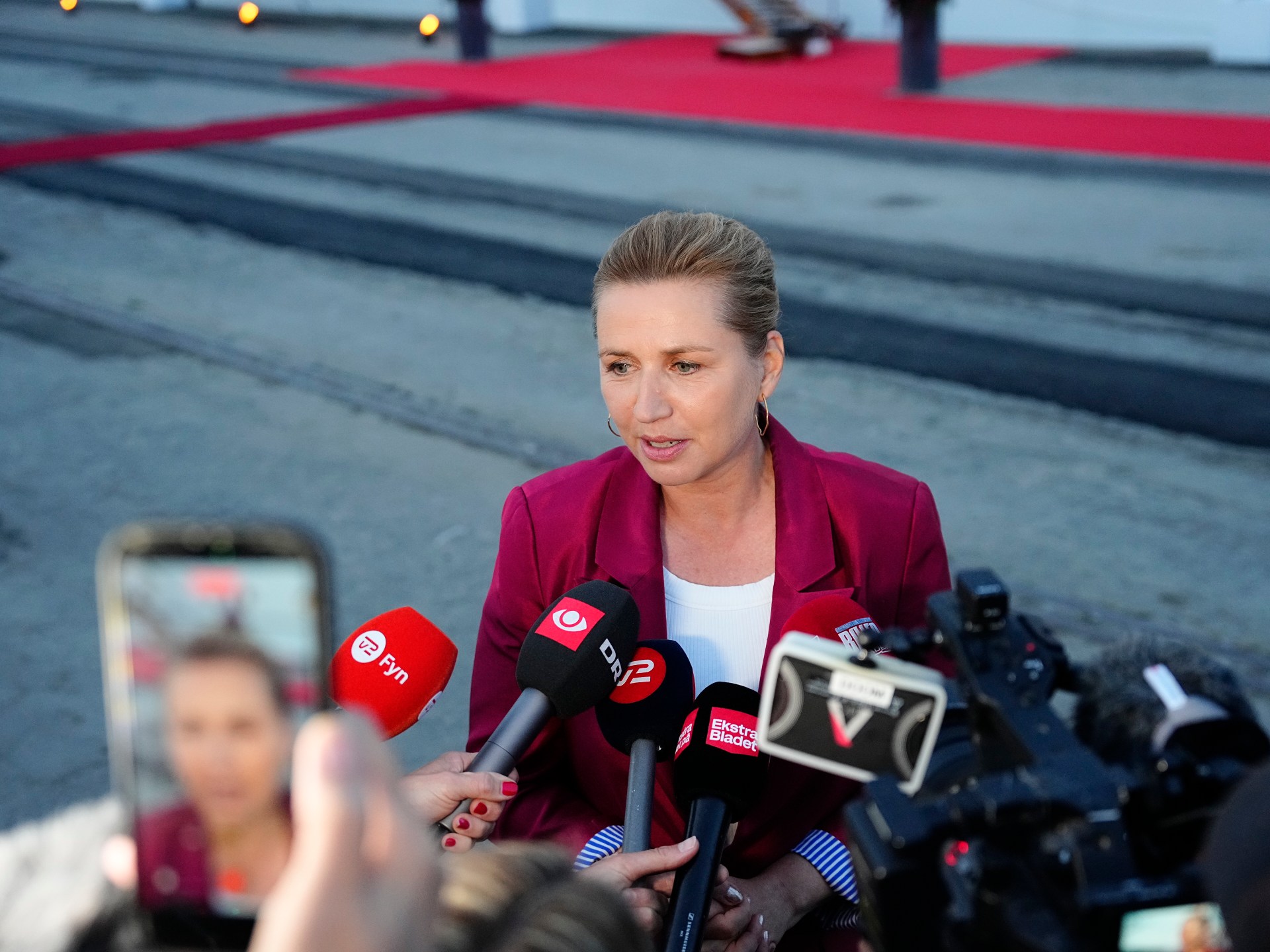
Denmark’s acting prime minister, Mette Frederiksen, has struck a deal to form a centre-left minority government after more than two months of negotiations, securing a third consecutive term as the country faces a dispute with the United States over Greenland.
Frederiksen, leader of the Social Democratic Party, announced the breakthrough Monday after meeting King Frederik X. The agreement follows an inconclusive March general election in which 12 parties won seats and no bloc emerged with a clear majority.
“I have been to see His Majesty the King and announced that a government can be formed after long negotiations,” Frederiksen told reporters in Copenhagen.
The new coalition will include the Social Democrats, the Socialist People’s Party, the centre-left Radikale Venstre and the centrist Moderates, according to a palace statement. “His Majesty the King is expected to receive the new government at Amalienborg on Wednesday 3 June 2026 in the morning,” the statement said. Amalienborg is the official residence of the Danish royal family in Copenhagen.
Frederiksen informed the king while he was aboard the Royal Yacht Dannebrog, the royal family’s residence during summer cruises or official overseas visits. Denmark’s public broadcaster DR said the country had spent 69 days without a new government. Al Jazeera reported that the deadlock lasted more than 60 days and included a brief, unsuccessful attempt by the centre-right Liberals to form a rival government.
The March election weakened both of Denmark’s largest traditional parties. The Social Democrats won the most votes but took 21.9% and 38 seats, down from 50, their weakest result since 1903 and far short of the 90 seats needed for a majority in the 179-seat parliament. The Liberal party Venstre, the Social Democrats’ main right-wing rival, also recorded its worst result in more than a century, winning 10.1% and falling behind the Green Left SF. The far-right Danish People’s Party more than tripled its result to 9% of the vote.
Frederiksen said she would present the new cabinet Wednesday. “We look forward to telling you more about the political basis tomorrow. Because it is politics that is good for both the people who are in Denmark. The generations that will come. And for the animals,” the 48-year-old wrote on Instagram late Monday.
The incoming government takes office as tensions persist over Greenland, a semi-autonomous part of Denmark. U.S. President Donald Trump has said he wants the United States to take over the territory, citing its strategic importance for U.S. national security. Al Jazeera reported that Trump has threatened to annex Greenland, while Frederiksen has rejected any suggestion that Denmark would cede sovereignty and said a U.S. takeover would “signal the end of NATO.”
According to Al Jazeera, the dispute also involves Greenland’s defence installations, mineral resources and the future of the U.S. Pituffik Space Base in the territory’s northwest.
At home, Frederiksen’s government must contend with voter concerns over the cost of living, the economy and welfare. Other issues in the campaign included animal rights, high pesticide levels in drinking water linked to pig farming, and agriculture’s broader climate footprint.
Al Jazeera also reported that the government faces a worsening security environment in Europe, including the task of building up Denmark’s military capabilities amid Russia’s war in Ukraine. Under Frederiksen, Denmark has increased defence spending to more than 3% of gross domestic product and expanded military conscription to women.


Be First to Comment