Key takeaways:
- The Permanent Court of Arbitration ruled the UK does not owe Rwanda over £100 million after cancelling the asylum seeker deal.
- The UK government argued the cancellation was logical after a change in administration and no further payments were due.
- Rwanda had claimed significant costs preparing for the partnership and sought compensation, but the tribunal rejected all claims.
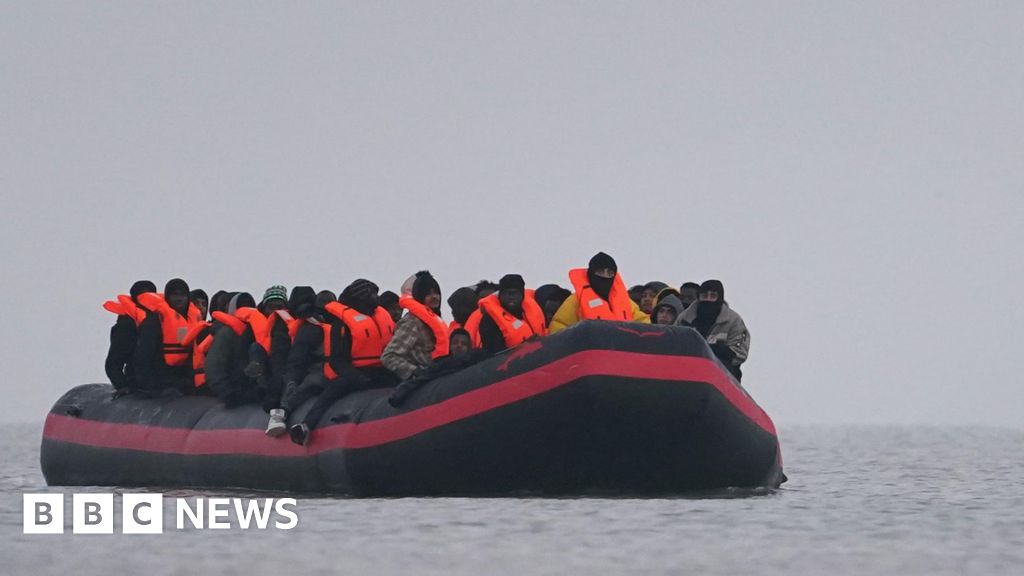
An international tribunal has ruled that the United Kingdom is not required to pay Rwanda more than £100 million in compensation following the cancellation of a controversial asylum seeker agreement. The Permanent Court of Arbitration in The Hague dismissed all financial claims brought by the Rwandan government, which had sought damages after the UK scrapped the deal shortly after Labour leader Keir Starmer took office in 2024.
The agreement, originally signed by the Conservative government under former Prime Minister Boris Johnson in 2022, aimed to deter migrants arriving illegally in the UK by sending them to Rwanda for asylum processing. Under the plan, Rwanda would host asylum seekers who had crossed into the UK unlawfully, with the UK paying Rwanda to manage their claims. However, the scheme faced multiple legal challenges, including an intervention by the European Court of Human Rights that grounded the first scheduled deportation flight. It was ultimately declared unlawful by the UK Supreme Court.
Starmer cancelled the plan on his first full day as prime minister, describing it as “dead and buried” and dismissing it as a “gimmick.” Labour had pledged to end the scheme during the 2024 general election campaign. Following the cancellation, the UK introduced a voluntary removals programme offering migrants up to £3,000 to move to Rwanda, but only four people took up the offer.
Rwanda’s government had argued that the UK breached the terms of the deal and owed compensation for “significant costs” incurred in preparing for the partnership. Emmanuel Ugirashebuja, Rwanda’s minister of justice and attorney general, told the court that the UK did not inform Rwanda in advance of the cancellation, leaving leaders to learn of it through the media.
During the three-day hearing in the Netherlands, UK lawyers contended it was “entirely logical” for the plan to be scrapped after a change in government and that no further payments were due. The tribunal’s 76-page ruling, dated May 15 and announced Monday, found that diplomatic exchanges between the two countries after the deal’s termination constituted an agreement that the UK would not make the disputed payments, including two tranches of £50 million each scheduled for April 2025 and April 2026. The panel also rejected Rwanda’s other claims of breaches of the partnership agreement.
A UK government spokesperson said the country had “robustly defended its position” and was now focused on reforms to restore order and control to its borders. Shadow Home Secretary Chris Philp welcomed the ruling but criticized Labour for cancelling the scheme, linking the decision to record numbers of illegal crossings and asylum claims. Meanwhile, Imran Hussain of the Refugee Council said the scheme caused “chaos” by delaying decisions and leaving people stuck in the system.
Rwanda’s spokesperson stated that the government respected the tribunal’s decision and considered the matter closed, though they noted a dissenting opinion from one tribunal member highlighting the complexity of the legal issues involved.
The failure of the UK-Rwanda deal has implications for other governments seeking to establish “return hubs” to manage irregular migration. The European Union, for example, is pursuing similar migration centres in third countries but remains cautious following the UK’s experience and Italy’s scrapped deal with Albania.






Be First to Comment