Key takeaways:
- Vice President JD Vance, Steve Witkoff, and Jared Kushner are traveling to Islamabad for renewed U.S.-Iran negotiations.
- Iran has closed the Strait of Hormuz, citing the ongoing U.S. naval blockade, and has fired on several vessels, violating the ceasefire.
- President Trump threatens to target Iranian power plants and bridges if Iran rejects the U.S. peace deal.
President Donald Trump announced Sunday that U.S. officials are traveling to Islamabad, Pakistan, for another round of negotiations with Iran as tensions escalate over the Strait of Hormuz. Vice President JD Vance, special envoy Steve Witkoff, and presidential son-in-law Jared Kushner are expected to arrive Monday evening for talks scheduled Tuesday, just before the current two-week ceasefire between the U.S. and Iran expires.
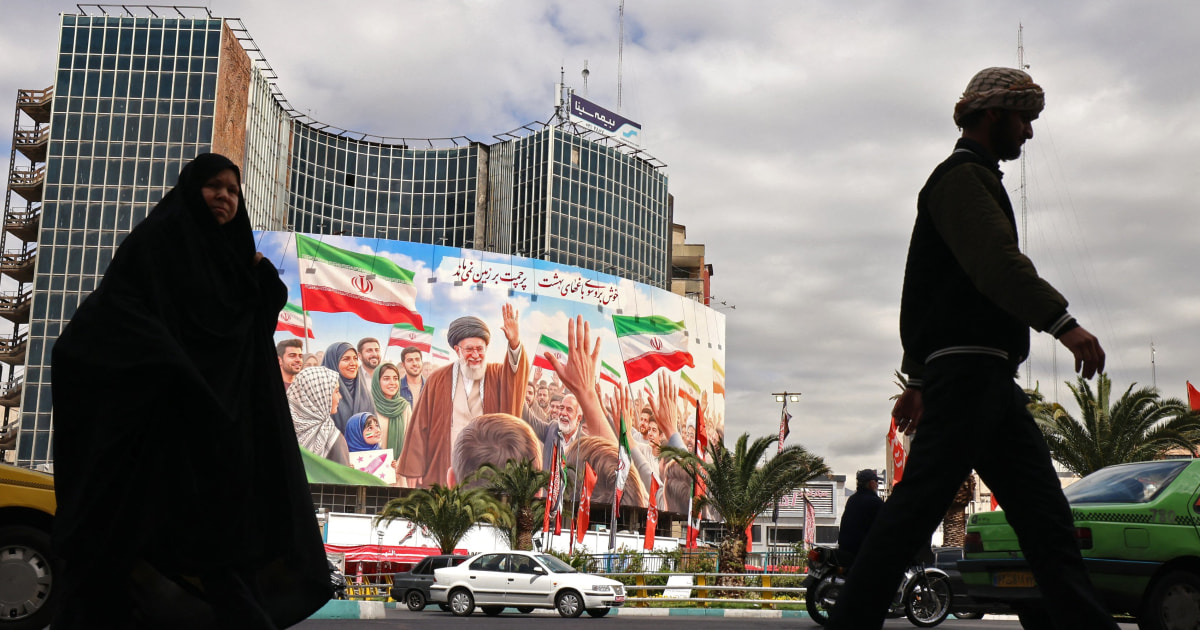
Iran’s parliamentary speaker, Mohammad Bagher Ghalibaf, reiterated that the Strait of Hormuz remains under Iranian control and will stay closed if the U.S. does not lift its naval blockade. “If the ceasefire is not implemented, we will not continue negotiations, and we will start the war,” Ghalibaf said on state television. He accused the U.S. of only partially implementing the ceasefire and warned that traffic through the strait would be restricted as long as the blockade persists.
The closure follows reports of Iranian forces firing on several vessels, including Indian-flagged ships and tankers under Botswana and Angola flags, forcing them to turn back. Iran’s Islamic Revolutionary Guard Corps warned that any vessels attempting to cross the strait would be targeted as cooperating with the enemy. President Trump condemned these actions as a “total violation” of the ceasefire and accused Iran of firing on ships from France and the United Kingdom, though he did not provide further details.
Trump also issued a stark warning to Iran, stating on Truth Social, “We’re offering a very fair and reasonable DEAL, and I hope they take it because, if they don’t, the United States is going to knock out every single Power Plant, and every single Bridge, in Iran. NO MORE MR. NICE GUY!” He emphasized that the U.S. blockade remains in place, asserting that the U.S. “loses nothing” from the closure of the strait, which he estimated costs Iran $500 million daily.
Iranian officials expressed a desire for “lasting peace,” with Ghalibaf acknowledging progress in negotiations but noting significant gaps remain. “Some issues in the negotiations have been concluded, while others have not. There is still a distance to a final agreement,” he said. However, Iran’s semiofficial Tasnim news agency reported that Iran has not yet decided to send a negotiating delegation and that talks would not proceed while the U.S. blockade continues.
Security measures in Islamabad have been heightened ahead of the talks, with road closures, checkpoints, and armed guards near hotels hosting the delegations. The U.S. administration convened a Cabinet meeting Saturday to discuss the situation, underscoring the gravity of the standoff.
International reactions include calls from French President Emmanuel Macron and British Prime Minister Keir Starmer for the unconditional and immediate reopening of the Strait of Hormuz. They announced a joint neutral mission to reassure merchant vessels navigating the region.
Meanwhile, Iran’s chief negotiator stressed the need for guarantees to prevent a cycle of war, ceasefire, and negotiation from repeating. “There must be a guarantee that this cycle of war, ceasefire and negotiation will not be repeated,” Ghalibaf said.
The situation remains fluid as the ceasefire deadline approaches, with both sides signaling readiness for continued talks but maintaining firm stances on key issues, particularly the U.S. naval blockade and control of the strategic waterway.



Be First to Comment