Key takeaways:
- Iran and the U.S. agreed to a conditional two-week ceasefire, suspending offensive operations while allowing coordinated passage through the Strait of Hormuz.
- Israel excluded its military campaign against Hezbollah in Lebanon from the ceasefire and launched its largest wave of strikes since March, causing significant casualties.
- Pakistan and Egypt facilitated the ceasefire negotiations, with talks toward a permanent peace deal expected to begin in Islamabad on Friday.
A conditional two-week ceasefire between Iran and the United States took effect Wednesday, easing tensions and prompting a surge in global markets, but the conflict involving Israel and Hezbollah in Lebanon continues unabated. President Donald Trump announced the ceasefire on Tuesday, describing it as a “double sided CEASEFIRE” and citing Iran’s 10-point proposal as a “workable basis on which to negotiate.” However, the exact terms of the agreement remain unclear, with conflicting statements from the involved parties.
Iran agreed to suspend its “defensive operations” provided that U.S. and Israeli strikes cease. Iranian Foreign Minister Abbas Araghchi stated that safe passage through the Strait of Hormuz would be allowed during the ceasefire, subject to coordination with Iran’s Armed Forces and technical limitations. Two oil tankers were permitted to transit the strait on Wednesday, but further tanker movements were reportedly suspended following renewed Israeli attacks on Lebanon.
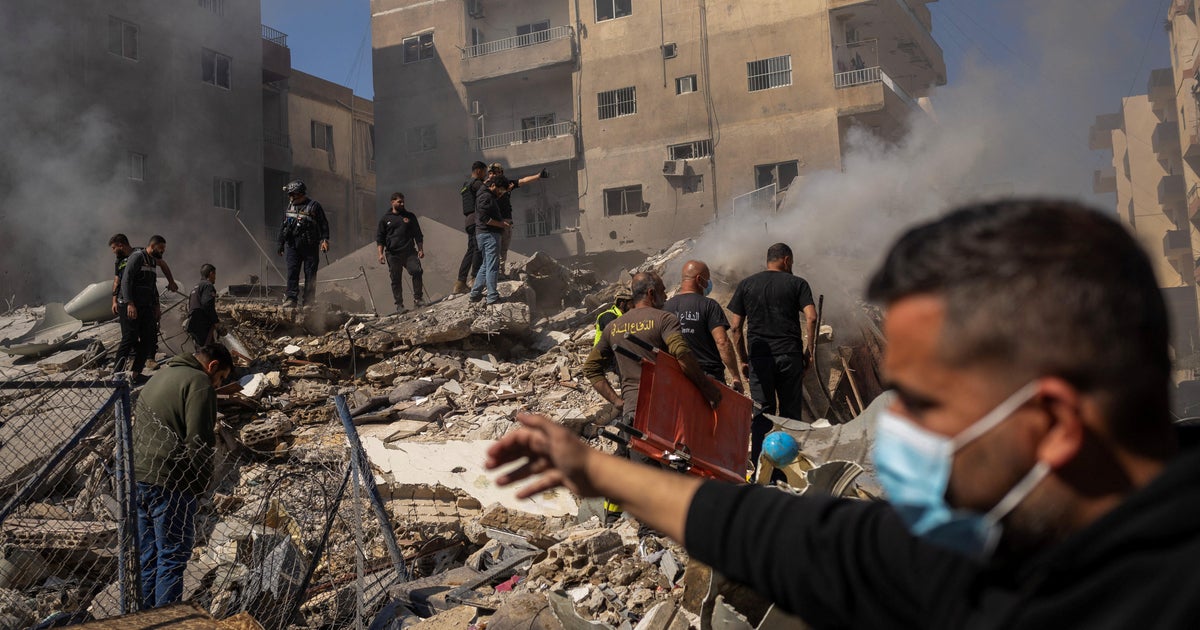
Despite the ceasefire, Israel declared that its military operations against Hezbollah in Lebanon are not included in the truce. The Israeli Defense Forces (IDF) launched their largest wave of strikes against Hezbollah since March 1, hitting 100 targets across Lebanon within 10 minutes. Israeli Prime Minister Benjamin Netanyahu emphasized that the ceasefire with Iran does not cover Lebanon, and the IDF vowed to continue targeting Hezbollah. Lebanese officials condemned the attacks, with the Lebanese Red Cross reporting at least 80 deaths and 200 injuries in Beirut alone. More than 1,500 people have been killed in Lebanon since the conflict escalated, including about 130 children, and tens of thousands have been displaced.
Iranian media linked to the Islamic Revolutionary Guard Corps (IRGC) reported suspending tanker traffic through the Strait of Hormuz in response to Israel’s ongoing strikes in Lebanon. The IRGC also announced it had destroyed an advanced Hermes 900 drone over Fars Province, warning that any unauthorized U.S. or Israeli aircraft entering Iranian airspace would be considered a ceasefire violation.
The U.S. Embassy in Baghdad issued a security alert advising American citizens to avoid air travel within Iraq due to ongoing missile, drone, and rocket threats from Iranian-aligned militias. The embassy urged U.S. citizens to leave Iraq via overland routes, citing multiple drone attacks near Baghdad International Airport and the U.S. diplomatic facility.
Markets responded positively to the ceasefire news, with Dow futures surging by over 1,200 points and oil prices falling below $100 a barrel after weeks of elevated prices. European leaders, including French President Emmanuel Macron and German Chancellor Friedrich Merz, welcomed the ceasefire and called for swift progress toward a lasting peace agreement.
Pakistan and Egypt played key roles in brokering the ceasefire, with Pakistani Prime Minister Shehbaz Sharif and Pakistan’s Chief of Army Staff Gen. Asim Munir receiving praise from Iranian officials. Sharif also acknowledged support from China, Saudi Arabia, Turkey, Egypt, and Qatar in facilitating the truce. Talks toward a permanent peace deal are expected to begin Friday in Islamabad, though the U.S. has not confirmed this.
Despite the ceasefire, Defense Secretary Pete Hegseth stated that U.S. forces would remain in the region to monitor compliance, rejecting Iran’s demand for the removal of all U.S. military personnel from regional bases. He also referenced the U.S. capability to take further action against Iran’s nuclear program if necessary.
President Trump described the ceasefire as a “big day for World Peace” and expressed hope for a “Golden Age of the Middle East,” even as the situation remains fragile. Vice President JD Vance characterized the truce as “fragile,” noting internal divisions within Iran complicate the peace process.
The ceasefire has not halted hostilities in Lebanon, where Israel continues its military campaign against Hezbollah, and Iran has threatened to withdraw from the agreement if Israeli attacks persist. The coming days will be critical in determining whether the ceasefire holds and whether a broader peace can be achieved in the region.





Be First to Comment