Key takeaways:
- The March 12 attack on Temple Israel in West Bloomfield, Michigan, was classified as a Hezbollah-inspired terrorist act carried out by Ayman Mohamad Ghazali, who died by suicide after attacking the synagogue with a truck loaded with gasoline and fireworks and opening fire.
- Ghazali planned the attack for days, purchasing weapons and materials, and expressed motives linked to recent Israeli drone strikes in Lebanon that killed his family members, with evidence of his pro-Hezbollah online activity and calls for revenge.
- The attack caused significant fire damage but no fatalities besides the attacker; increased security measures have been implemented at synagogues nationwide, and investigations into Ghazali’s connections and motives continue.
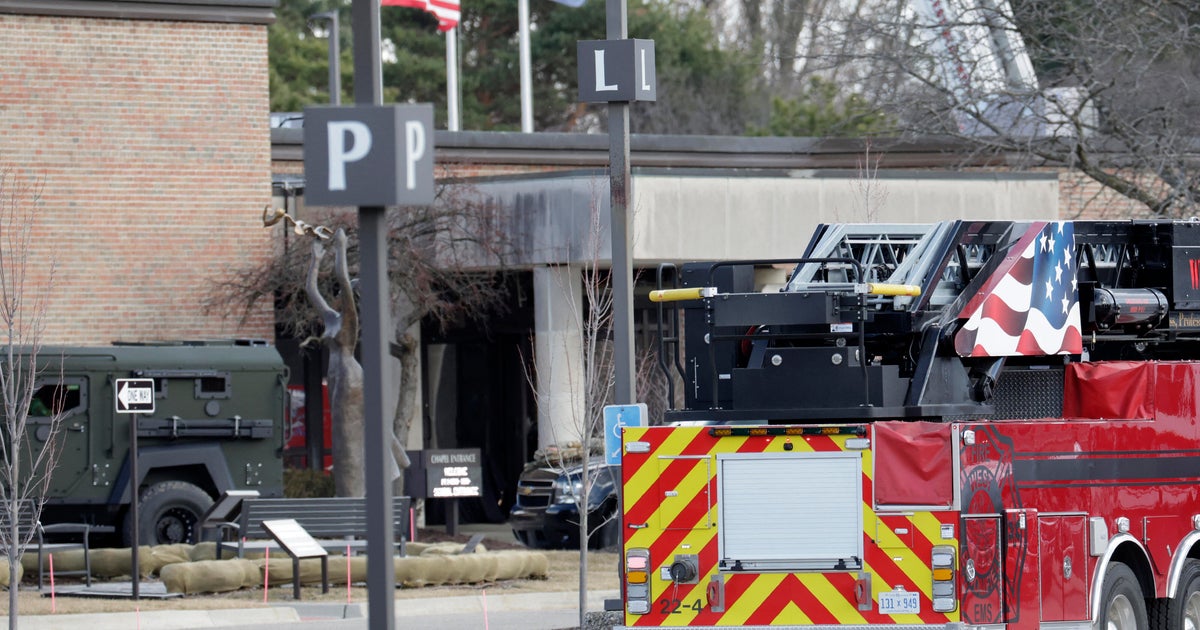
Federal officials have classified the March 12 attack on Temple Israel, a large synagogue in West Bloomfield, Michigan, as an act of terrorism inspired by Hezbollah, the Iran-backed militant group designated as a foreign terrorist organization by the U.S. since 1997. The attacker, Ayman Mohamad Ghazali, a 41-year-old naturalized U.S. citizen originally from Lebanon, drove a truck loaded with gasoline and fireworks into the synagogue before opening fire. Ghazali died by suicide after exchanging gunfire with security guards inside the building. No other fatalities were reported, though a security guard was injured and several first responders were treated for smoke inhalation.
Investigators revealed that Ghazali had been planning the attack for several days. On March 9, he purchased an AR-style rifle, ammunition, and magazines from a gun store in Dearborn Heights, Michigan, where he lived. He also ordered water containers, which he filled with gasoline, and bought fireworks to ignite a fire inside the synagogue. FBI Special Agent Jennifer Runyan said Ghazali sent multiple videos and messages to his sister in Lebanon shortly before the attack, expressing his intent to kill as many people as possible at what he described as the largest gathering place for Israelis in Michigan. The videos contained references to martyrdom and revenge, and Ghazali’s online activity showed extensive searches for pro-Hezbollah content dating back to January.
Ghazali’s motive appears linked to recent events in Lebanon, where several of his family members, including his two brothers who were reportedly part of Hezbollah’s rocket unit, were killed in an Israeli drone strike on March 5. Following the deaths, Ghazali recorded videos discussing his desire for vengeance. Authorities found photos and messages on his social media accounts featuring Hezbollah imagery and slogans about revenge. The FBI noted that the attack was a targeted assault on the Jewish community, and U.S. Attorney Jerome Gorgon emphasized the significance of labeling the incident as terrorism, citing Hezbollah’s history of similar attacks, including the 1983 bombing of U.S. Marine barracks in Beirut.
Temple Israel is Michigan’s largest synagogue, serving approximately 3,500 families, or over 12,000 members. At the time of the attack, an early childhood center within the synagogue was in session, but no children or staff were harmed. The synagogue sustained significant fire damage, though the sprinkler system helped mitigate the blaze. In response to the attack and the upcoming Passover holiday, law enforcement agencies across the county have increased security measures at synagogues and Jewish community centers to deter potential threats. The investigation continues as officials work to understand the full scope of Ghazali’s actions and any possible connections.






Be First to Comment