Key takeaways:
- The partial government shutdown of the Department of Homeland Security (DHS) has lasted 44 days, primarily affecting TSA, ICE, and CBP, while other federal agencies remain funded.
- Efforts to resolve the shutdown have stalled due to disagreements between the Republican-controlled House and the Senate, with Democrats demanding immigration-related restrictions before fully funding DHS.
- The shutdown has caused TSA staffing shortages and financial strain, prompting President Trump to order DHS to pay TSA workers; ICE agents continue working and assisting TSA due to separate funding.
The partial government shutdown affecting the Department of Homeland Security (DHS) has reached its 44th day, marking the longest such lapse in the department’s history. Unlike previous shutdowns that involved the entire federal government, this one is unique in that other federal agencies remain funded. The shutdown began on February 14 and has primarily impacted DHS operations, including the Transportation Security Administration (TSA), Immigration and Customs Enforcement (ICE), and Customs and Border Protection (CBP).
Efforts to resolve the funding impasse faced a significant setback last Friday when the House of Representatives, controlled by Republicans, passed a short-term funding bill for DHS that lacks a viable path in the Senate. Earlier that day, the Senate had approved a bipartisan bill to fund most of DHS except for ICE and CBP. However, House GOP leadership, including Speaker Mike Johnson, rejected the Senate bill, labeling it a “joke.” The Senate, which holds a 53-47 Republican majority, has repeatedly failed to advance similar legislation due to the need for Democratic support. Democrats have insisted on specific restrictions related to immigration enforcement before agreeing to fully fund DHS, particularly ICE.
The shutdown has had tangible effects on airport security and staffing. TSA officers, who have continued working without pay, have faced financial strain, leading hundreds to resign and thousands more to call out sick. In response, President Donald Trump signed an order directing DHS to pay TSA workers, with paychecks expected to be distributed as early as Monday. Meanwhile, ICE agents, funded through separate appropriations from a bill signed last year, have continued receiving pay and have been deployed to airports to assist TSA operations.
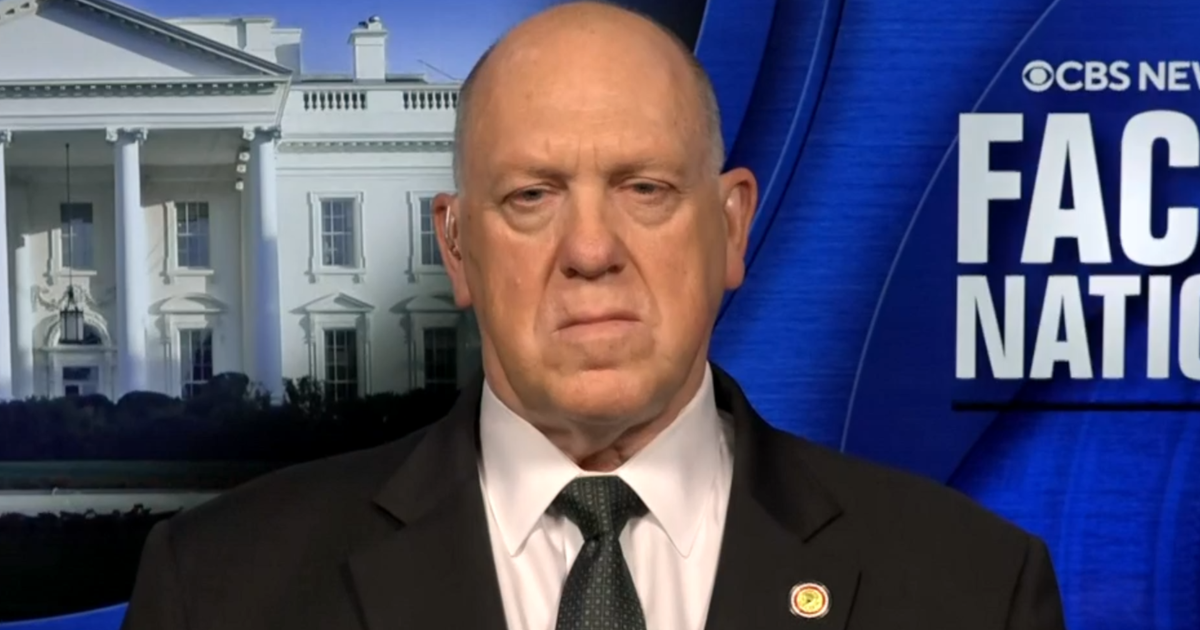
In an interview on March 29, 2026, White House Border Czar Tom Homan emphasized the urgency of funding DHS amid heightened security concerns. Homan criticized Democrats for holding DHS funding hostage over immigration policy disputes and defended the administration’s efforts to maintain airport security despite the shutdown. He acknowledged the challenges posed by TSA staffing shortages and expressed hope that the recent directive to pay TSA workers would encourage some to return. Homan also reiterated support for fully funding DHS but did not endorse the Senate’s bipartisan funding bill, aligning instead with the president’s position. With Congress scheduled to be out of session until mid-April, prospects for a swift resolution remain uncertain, raising concerns about continued disruptions at airports, especially with major events like the upcoming World Cup.












Be First to Comment