Key takeaways:
- The United States has sent preliminary negotiation points to Iran through intermediaries, with both sides reportedly engaging in productive discussions and identifying areas of potential agreement, including a temporary pause on U.S. military strikes.
- Despite initial denials from Iran, President Trump’s announcements sparked market reactions and raised hopes for resolving the 23-day conflict, though details of any agreement remain unclear, especially regarding Iran’s nuclear ambitions and involvement of regional actors like Israel.
- The U.S. is exploring options such as releasing frozen Iranian assets to facilitate a settlement, aiming to end hostilities while maintaining strategic pressure, as Iran continues to leverage control over the Strait of Hormuz amid ongoing tensions.
The United States has reportedly sent a message to Iran through mediators as preliminary steps toward potential negotiations between the two countries, according to a senior Iranian Foreign Ministry official. This development follows recent comments by President Donald Trump suggesting that a deal with Iran could be possible. The Iranian official told CBS News on Monday that Tehran had received points from the U.S. via intermediaries and was reviewing them.
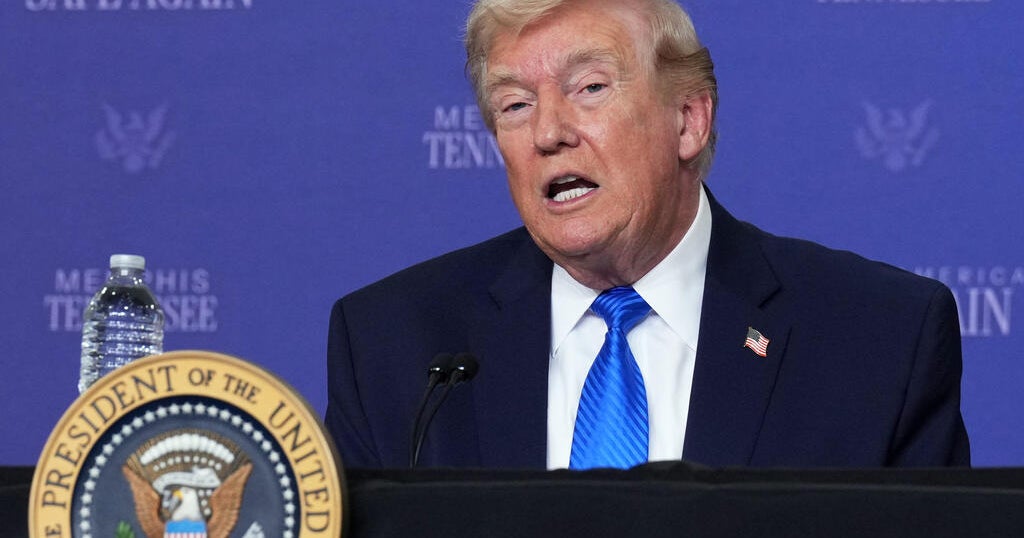
Earlier on Monday, President Trump announced on social media that the U.S. and Iran had engaged in “very good and productive conversations regarding a complete and total resolution of our hostilities.” He told reporters that the two sides had identified approximately 15 points of agreement and that Iranian officials had expressed a desire for peace. Trump also indicated a willingness to delay military action against Iran’s energy infrastructure, stating that the U.S. military would hold off on bombing Iranian power plants for five days, contingent on the success of ongoing discussions.
Iran’s Foreign Ministry initially denied that any talks were underway, but Trump’s statements raised hopes that the 23-day conflict might be approaching a resolution. The announcement triggered a significant market response, with Brent Crude oil prices dropping by 10% and the S&P 500 index rising by 1.15%. The U.S. and Iran have no formal diplomatic relations and have historically communicated indirectly through regional mediators such as Pakistan and Oman. Trump mentioned that the U.S. was in contact with a “top person” in Iran but declined to identify the individual to protect their safety.
Despite the apparent progress, the specifics of any potential agreement remain unclear. Trump asserted that Iran had agreed not to pursue nuclear weapons, a key objective of the U.S. since the conflict began. However, Iran has consistently denied any intention to develop nuclear arms. Earlier attempts to negotiate Iran’s nuclear program faltered, with the U.S. demanding a complete cessation of uranium enrichment, a condition Iran has rejected. Additionally, it is uncertain whether Israel, which has conducted joint strikes with the U.S. against Iranian targets, would be involved in any future deal. The evolving situation reflects a complex dynamic in which Iran, despite sustained military pressure from the U.S. and Israel, has maintained strategic initiative, particularly through its control over the Strait of Hormuz, a vital oil transit route. The U.S. appears focused on compelling Iran to reopen the strait, which has been a primary point of contention and retaliation.
Reports also indicate that the U.S. is exploring ways to facilitate negotiations, including the possibility of releasing frozen Iranian assets as part of a broader settlement package. Analysts note that while the U.S. dominates militarily, it has struggled to decisively end Iran’s retaliatory actions, leading to a situation where the U.S. is effectively seeking to end hostilities without appearing to concede defeat. The ongoing discussions and the temporary military pause suggest a cautious move toward de-escalation, though the outcome remains uncertain.







Be First to Comment