Key takeaways:
- Cuba experienced its second nationwide power outage in less than a week, caused by the shutdown of a power plant unit, marking the fourth major blackout in four months and sparking public protests amid worsening living conditions.
- Officials blame U.S. energy blockades and sanctions, including disrupted oil shipments from Venezuela, for the energy crisis, while humanitarian groups provide aid such as solar panels, food, and medicine.
- Cuban authorities, including Deputy Foreign Minister Carlos Fernández de Cossío, warn of potential U.S. military aggression, condemn the oil blockade as aggression, and reaffirm Cuba’s sovereignty amid escalating tensions and U.S. rhetoric on intervention.
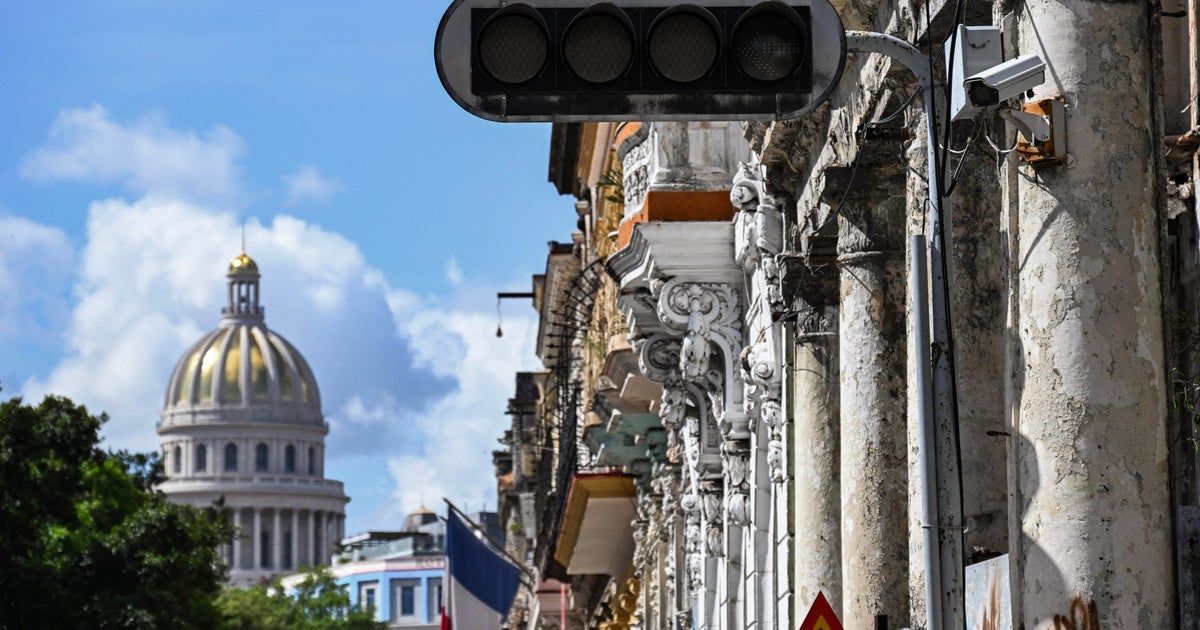
Cuba experienced its second nationwide power outage in less than a week on Saturday, officials confirmed. The Ministry of Energy and Mines reported on social media platform X that a “total disconnection of the National Electric System has occurred,” and restoration protocols were underway. The National Electric Union attributed the blackout to the shutdown of Unit No. 6 at a power plant in Nuevitas, which triggered a domino effect across the country. This outage marks the fourth major blackout in Cuba over the past four months, following a previous island-wide blackout on Monday that affected approximately 11 million people.
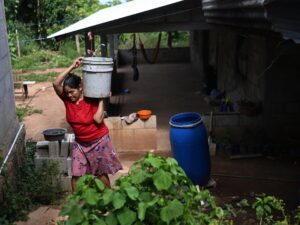
The recurring power failures have intensified public frustration, leading to protests across the island amid worsening living conditions. Humanitarian organizations have responded by delivering aid, including solar panels, food, and medicine, to help alleviate the crisis. Cuban officials have linked the energy shortages to a U.S. energy blockade, which they say has been exacerbated by recent U.S. sanctions. In January, President Donald Trump signed an executive order threatening tariffs on countries that sell or provide oil to Cuba. This has disrupted Cuba’s access to critical oil shipments, particularly from Venezuela, whose supply was halted following U.S. military actions and the arrest of Venezuelan President Nicolás Maduro.
Amid these tensions, Cuba’s deputy foreign minister, Carlos Fernández de Cossío, stated that the Cuban military is preparing for the possibility of U.S. military aggression. In an interview with NBC News’ “Meet the Press,” Fernández de Cossío described it as “naive” to ignore the potential for conflict given the current geopolitical climate. He emphasized that while Cuba hopes to avoid such a scenario, the country must remain vigilant. Fernández de Cossío also condemned the U.S. oil blockade, describing it as a severe form of aggression that Cuba is actively trying to counteract. He expressed hope that fuel supplies would resume despite the ongoing boycott.
The recent escalation in rhetoric between the U.S. and Cuba has included statements from U.S. officials suggesting possible military intervention. President Trump has made several remarks indicating his belief that Cuba’s government is vulnerable, including comments about having the “honor” of taking control of the country. In response, Fernández de Cossío reaffirmed Cuba’s sovereignty and rejected any notion of regime change as part of negotiations with the U.S. He also criticized U.S. political structures in comparison to Cuba’s system, underscoring that Cuba’s internal political arrangements are a domestic matter not subject to foreign negotiation. The ongoing dialogue between the two nations continues amid a backdrop of economic hardship and geopolitical tension.

Be First to Comment