Key takeaways:
- The Trump administration is preparing a potential military operation to escort oil tankers through the Strait of Hormuz, aiming to secure this vital shipping route amid escalating attacks and disruptions that have driven up oil prices by about 40%.
- The operation would involve neutralizing Iranian offensive capabilities first, including missile sites and drones, followed by convoy protection with U.S. Navy ships and international partners, while anticipating initial attacks as Iran tests U.S. responses.
- Iran has intensified drone attacks across the Gulf region, targeting U.S. bases and allied infrastructure, resulting in casualties and prompting increased air defense efforts and international cooperation to counter the growing asymmetric drone threat.
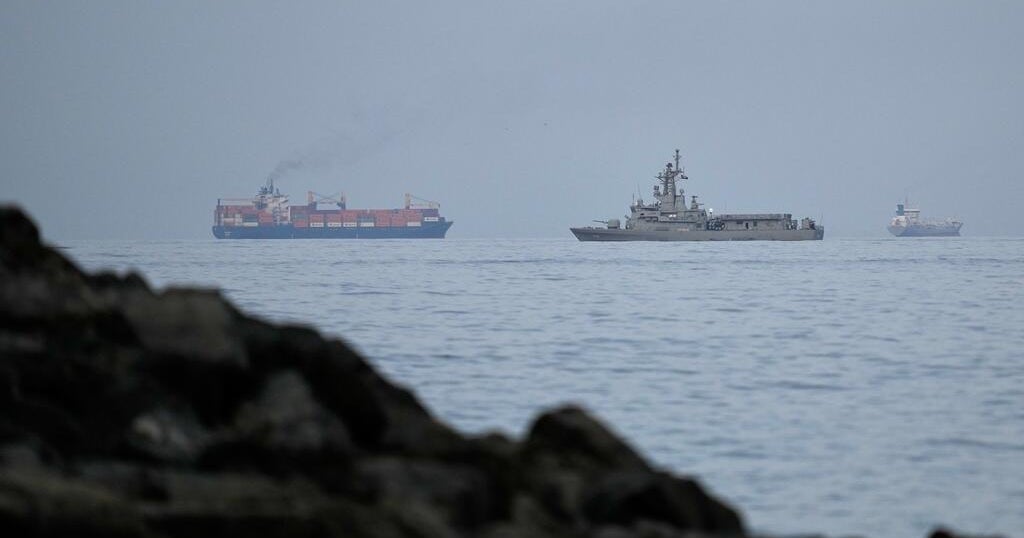
The Trump administration is considering a military operation to escort oil tankers through the Strait of Hormuz amid escalating tensions and attacks in the Persian Gulf region. The Strait of Hormuz is a critical maritime chokepoint that facilitates about 20% of global oil shipments. Since the outbreak of hostilities between the U.S., Israel, and Iran, more than a dozen attacks have targeted oil tankers and cargo vessels in the Persian Gulf and Arabian Sea, leading to a near halt in commercial transit through the strait. This disruption has contributed to a roughly 40% increase in oil prices over the past two weeks, as major Arab oil producers have cut output due to logistical constraints.
President Donald Trump has publicly stated that the U.S. Navy and its partners will escort tankers through the Strait of Hormuz if necessary, although officials have indicated that preparations for such an operation are still underway and not yet ready to be implemented. Energy Secretary Christopher Wright noted that the military assets are currently focused on degrading Iran’s offensive capabilities, including missile sites, drone production facilities, and mine-laying vessels. U.S. Central Command has reportedly struck approximately 6,000 Iranian targets in recent weeks as part of this effort. Military analysts suggest that reducing Iran’s ability to launch attacks is a prerequisite for safely escorting commercial ships through the strait, as the risk of confrontation remains high.
The proposed escort operation would likely involve U.S. Navy ships providing convoy protection through the strait, supported by air cover, surveillance, and mine-clearing capabilities. Experts describe a two-phase approach: first, neutralizing Iranian threats to reduce incoming attacks to manageable levels, and second, conducting the escort missions. The initial convoys may face attacks as Iran tests the U.S. response, with the U.S. aiming to identify and target hostile positions once revealed. The operation could also include international partners, with countries such as France reportedly considering participation in a defensive escort mission.
Meanwhile, Iran has intensified its use of drones in the conflict, launching strikes against U.S. military bases, energy infrastructure, and diplomatic facilities across the Gulf region. Verified footage and satellite images show Iranian drones reaching their targets in multiple countries, including Kuwait, the United Arab Emirates (UAE), and Oman. The drones, particularly the Shahed-136 model, are capable of flying long distances and carrying substantial warheads. These attacks have resulted in casualties, including six U.S. servicemembers killed at the Port of Shuaiba in Kuwait, and have strained the air defenses of targeted nations. The UAE has reported intercepting nearly 1,400 unmanned aerial vehicles as of early March, highlighting the scale of the drone threat.
U.S. military officials acknowledge the persistent danger posed by Iranian drones and continue efforts to degrade Iran’s missile and drone capabilities. The conflict has also prompted international cooperation, with Ukraine dispatching teams to assist in air defense, drawing on its experience combating similar drone threats. Iran’s Foreign Minister Abbas Araghchi has suggested that some drone attacks may be carried out by semi-autonomous military units acting on pre-set instructions, reflecting the complexity of command and control in the ongoing conflict. As the situation evolves, the U.S. and its allies face the challenge of securing vital maritime routes and countering asymmetric drone warfare in a volatile region.










Be First to Comment