Key takeaways:
- U.S. officials have shifted their conflict objectives in Iran, focusing on destroying missile capabilities, ending the nuclear program, and stopping terrorism support, while avoiding goals like regime change.
- Oil prices have become volatile due to disruptions in the Strait of Hormuz, causing concerns about an energy crisis and driving U.S. gas prices higher, which is impacting domestic politics and market stability.
- Financial markets showed mixed reactions with stock indices rebounding after initial drops, but analysts warn of prolonged inflationary risks linked to ongoing energy supply disruptions and geopolitical tensions.
U.S. Officials Signal Shift in Iran Conflict Objectives as Markets React to Oil Price Volatility
In recent statements, U.S. officials have indicated a recalibration of war aims in the ongoing conflict with Iran, while financial markets have experienced notable volatility amid fluctuating oil prices. The developments come as concerns mount over the potential for an energy crisis linked to disruptions in the strategic Strait of Hormuz.
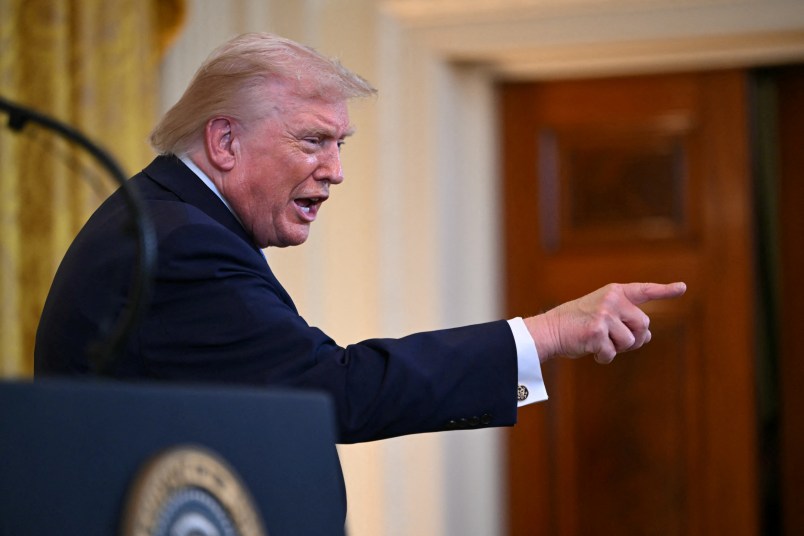
On Sunday, U.S. Ambassador to the United Nations Mike Waltz outlined the administration’s primary war objectives as the destruction of Iran’s missile capabilities, the elimination of its nuclear program, and the cessation of its support for terrorism. Notably absent from the list were earlier goals such as regime change or demanding unconditional surrender. The following day, President Donald Trump reinforced this apparent shift, telling CBS News that “the war is very complete, pretty much,” and that the U.S. is “very far” ahead of its initial four to five week timeline. Trump also issued a stern warning to Iran, stating, “They better not try anything cute, or it’s going to be the end of that country,” suggesting a hardline stance without explicitly endorsing regime change.
The evolving rhetoric reflects a possible desire within the White House to conclude the conflict swiftly amid growing complexities. Reports suggest that Gulf allies are privately questioning the U.S. strategy, and there is increasing concern about the political ramifications of rising gasoline prices domestically. Despite Trump’s assurances that gas prices will decline rapidly, analysts caution that energy price shocks tend to have prolonged effects. The recent surge in oil prices, driven by disruptions in the Strait of Hormuz—a critical passage for approximately 20% of the world’s oil supply—has already pushed the national average gas price in the U.S. to $3.48 per gallon, up from about $3 a week prior.
Financial markets have mirrored the uncertainty surrounding the conflict and energy supply. After an initial drop, major U.S. stock indices rebounded on Monday. The S&P 500 gained 0.8% to close at 6,796, the Dow Jones Industrial Average recovered 239 points to finish at 47,741, and the Nasdaq Composite rose 1.4%. Oil prices, which had surged above $100 per barrel earlier in the day, retreated to settle below $95 by the afternoon. President Trump also hinted at the possibility of U.S. intervention in the Strait of Hormuz, emphasizing the country’s capability to control the vital waterway and warning Iran against blocking it.
Economists and market analysts warn that the energy supply disruption poses risks beyond immediate price spikes, potentially triggering inflationary pressures reminiscent of the 1970s stagflation period. Ed Yardeni of Yardeni Research noted that the oil shock is unlikely to subside until maritime traffic through the strait returns to normal, suggesting that financial market volatility may persist until hostilities in the region ease. The situation remains fluid as geopolitical tensions and economic concerns continue to intersect.











Be First to Comment