Key takeaways:
- Abu-Bilal al-Minuki, described as ISIS's second-in-command, was killed in a joint U.S.-Nigerian military operation.
- Al-Minuki was designated a specially designated global terrorist by the U.S. in 2023 and served as a senior official in ISIS's General Directorate of Provinces.
- Despite territorial losses, ISIS remains active in parts of Africa, with recent attacks reported in Nigeria and the Sahel region.
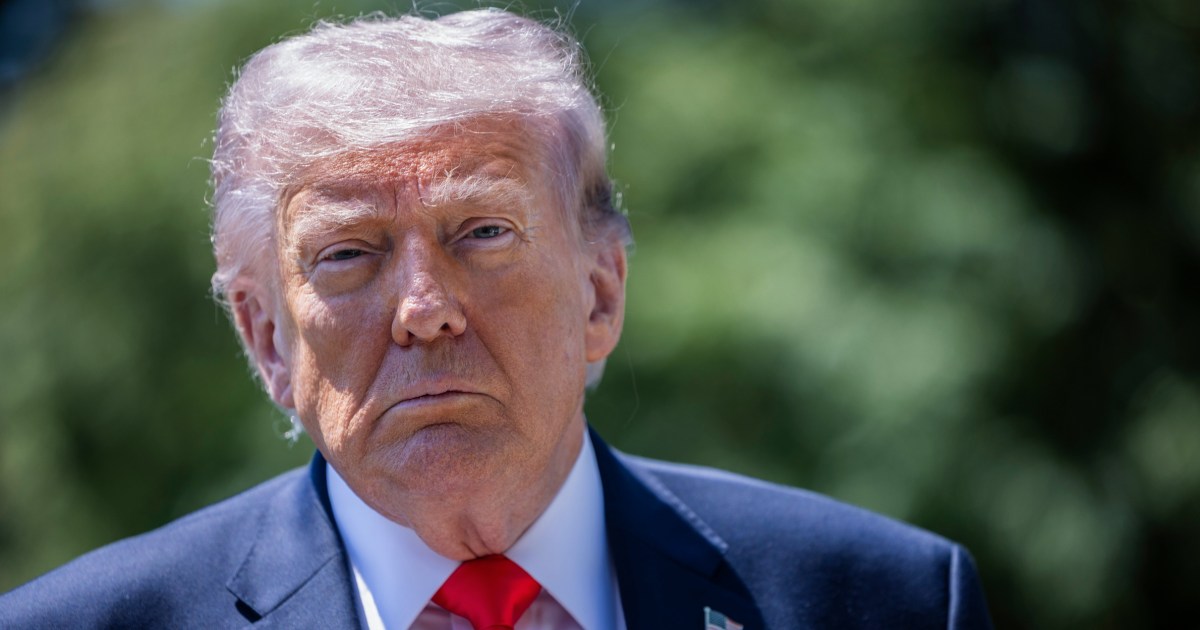
President Donald Trump announced Friday evening that U.S. and Nigerian military forces had killed Abu-Bilal al-Minuki, a senior leader of the Islamic State group, in a “meticulously planned and very complex mission.” Trump described al-Minuki as the Islamic State’s second-in-command globally and “the most active terrorist in the world.” He stated, “He will no longer terrorize the people of Africa, or help plan operations to target Americans. With his removal, ISIS’s global operation is greatly diminished.”
Al-Minuki, a native of Nigeria, was designated by the U.S. State Department in 2023 as a leader of the Islamic State in Africa’s Sahel region. At that time, he served as a senior official in one of the Islamic State’s General Directorate of Provinces offices, which provide operational guidance and funding worldwide. The U.S. Treasury Department also placed him on its specially designated global terrorist list in 2023, imposing sanctions on his assets and restricting transactions.
The Islamic State, also known as ISIS, has experienced significant territorial losses since 2017 due to efforts by the U.S., regional allies, Iran, and other forces, particularly in Iraq and Syria. However, the group and its affiliates continue to operate in parts of the Middle East and Africa, carrying out insurgent attacks. The group’s West Africa branches maintain a presence in Nigeria and the Sahel region, including Burkina Faso, Mali, and Niger. Recent months have seen suspected Islamic State attacks in these countries, including an offensive on a military base in Nigeria and clashes with other Islamist groups, according to the International Crisis Group.
President Trump previously ordered strikes on Islamic State targets in Nigeria on Christmas Day last year, with the U.S. Africa Command reporting that “multiple ISIS terrorists” were killed in camps. Trump has also urged Nigeria to take stronger action against terrorism, criticizing the country last fall for what he described as a failure to address violence against Christians. The Nigerian government has denied allowing religious persecution, and analysts note that both Muslims and Christians have suffered from insurgency in northern Nigeria.
The Islamic State’s elusive former leader, Abu Bakr al Baghdadi, was killed in 2019. Abu Hafs al Qurayshi was named leader of the group in August 2023, according to a U.S. Congressional Research Service report. Despite military setbacks and loss of territory, the Islamic State remains the world’s largest Islamic terrorist organization, according to last year’s U.S. threat assessment. In 2024, a spokesman for the group publicly praised its expansion in Africa.




Be First to Comment