Key takeaways:
- The U.S. is organizing ceasefire talks between Lebanon and Israel in Washington, D.C., led by Ambassador Michel Issa and counterparts from Lebanon and Israel.
- President Trump expressed optimism about a peace deal with Iran, while Israeli strikes in Lebanon continue despite a tentative ceasefire.
- Vice President JD Vance is leading U.S. diplomacy in Pakistan, emphasizing that the war will resume if Iran does not reopen the Strait of Hormuz.
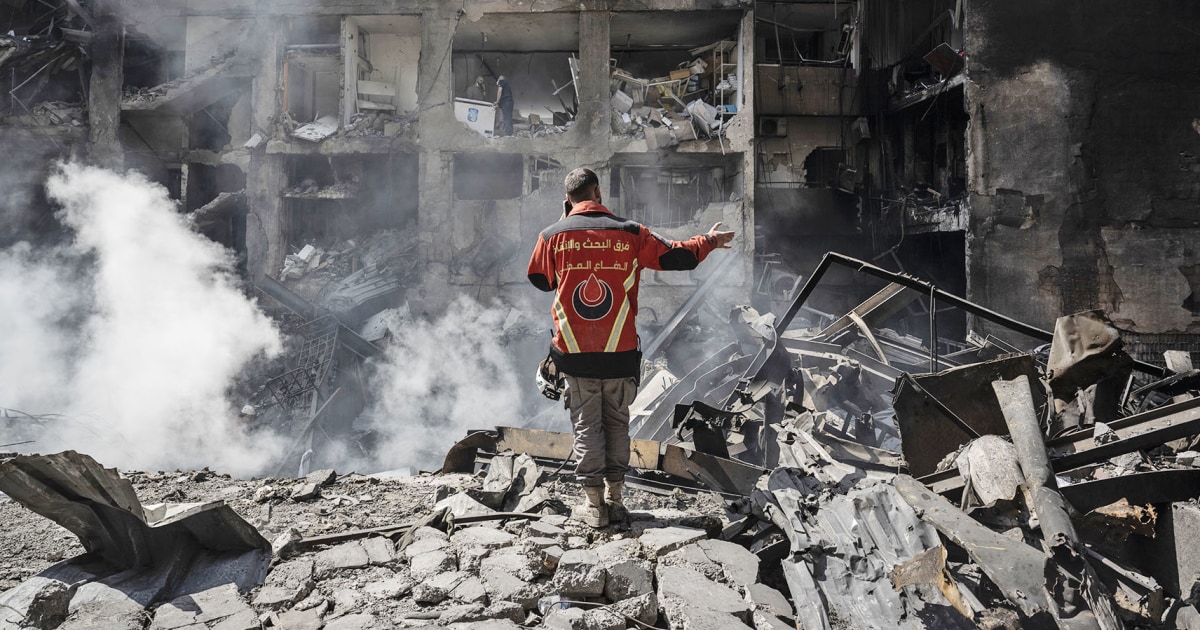
The United States is spearheading urgent diplomatic efforts in Washington, D.C., to establish a ceasefire in Lebanon, where Israeli forces have intensified airstrikes against Iranian-backed Hezbollah targets, resulting in civilian casualties. The talks, scheduled for next week, will be led by U.S. Ambassador to Lebanon Michel Issa, alongside Lebanese Ambassador Nada Hamadeh Moawad and Israeli Ambassador Yechiel Leiter. These discussions aim to initiate direct negotiations between Lebanon and Israel.
The conflict escalated after Hezbollah launched rockets into Israel in support of Tehran, prompting Israel to invade southern Lebanon. Lebanon has become a critical complication in the broader U.S.-Iran diplomacy. Iran’s Foreign Minister Abbas Araghchi, expected to join upcoming talks in Islamabad, accused the U.S. of allowing Israeli Prime Minister Benjamin Netanyahu to undermine diplomatic efforts.
President Donald Trump expressed optimism about reaching a peace deal with Iran, stating in an NBC News interview that Iranian leaders are more reasonable in meetings than in public statements. Trump said, “They’re agreeing to all the things that they have to agree to. Remember, they’ve been conquered. They have no military.” He warned that failure to reach a deal would result in severe consequences for Iran.
Despite a tentative ceasefire announced earlier, Israeli strikes in southern Lebanon continue. Trump reportedly urged Netanyahu in a phone call to scale back operations to support the negotiations, a move Netanyahu publicly confirmed by agreeing to allow Israeli diplomats to engage in talks with Lebanon. However, Netanyahu maintained that there is no formal ceasefire in Lebanon and insisted that strikes against Hezbollah would continue.
Vice President JD Vance, who is leading the U.S. diplomatic delegation to Pakistan for high-stakes talks, acknowledged a “legitimate misunderstanding” about whether the ceasefire includes Hezbollah forces in Lebanon but indicated a desire for Israel to moderate its offensive. Vance has become a key figure in the diplomacy, welcomed by Iran due to distrust of previous envoys. He warned that the war would resume if Iran did not reopen the Strait of Hormuz, a vital shipping route currently restricted amid the conflict.
Reports indicate that only a handful of ships crossed the Strait of Hormuz on the first day of the ceasefire, raising doubts about Iran’s compliance. The United Arab Emirates’ industry minister criticized the ongoing restrictions, stating, “The Strait of Hormuz is not open. Access is being restricted, conditioned and controlled.”
White House Press Secretary Karoline Leavitt called the ceasefire a “victory” but condemned any closure of the strait as “completely unacceptable,” asserting that the president had been privately assured of its reopening.
Iranian officials have expressed concern that Israeli attacks in Lebanon could derail the ceasefire talks. Mahdi Mohammadi, an adviser to Iran’s parliament speaker, warned that without restraining Israel’s actions, there would be no ceasefire or negotiations.
The upcoming talks in Islamabad will include Vice President Vance, special envoy Steve Witkoff, and Jared Kushner, with the Iranian delegation’s composition yet to be confirmed. Iranian envoy Reza Amiri Moghadam announced the delegation’s arrival in Pakistan but later deleted the statement.
Pakistan has increased security in Islamabad ahead of the talks. Iranian state media outlined a 10-point peace plan demanding control over the Strait of Hormuz and the withdrawal of U.S. forces from regional bases, conditions that U.S. officials, including Trump, have indicated are unlikely to be accepted.
A former commander of Iran’s Islamic Revolutionary Guard Corps acknowledged that negotiations require concessions from both sides, signaling Tehran’s willingness to compromise despite skepticism among the Iranian public due to repeated ceasefire violations.



Be First to Comment