Key takeaways:
- President Trump announced a two-week ceasefire with Iran, contingent on Iran reopening the Strait of Hormuz.
- Iran agreed to halt defensive operations and will coordinate safe passage through the strait during the ceasefire.
- The ceasefire follows Trump's threats to bomb Iran's infrastructure, which drew condemnation from Democratic leaders and international law experts.
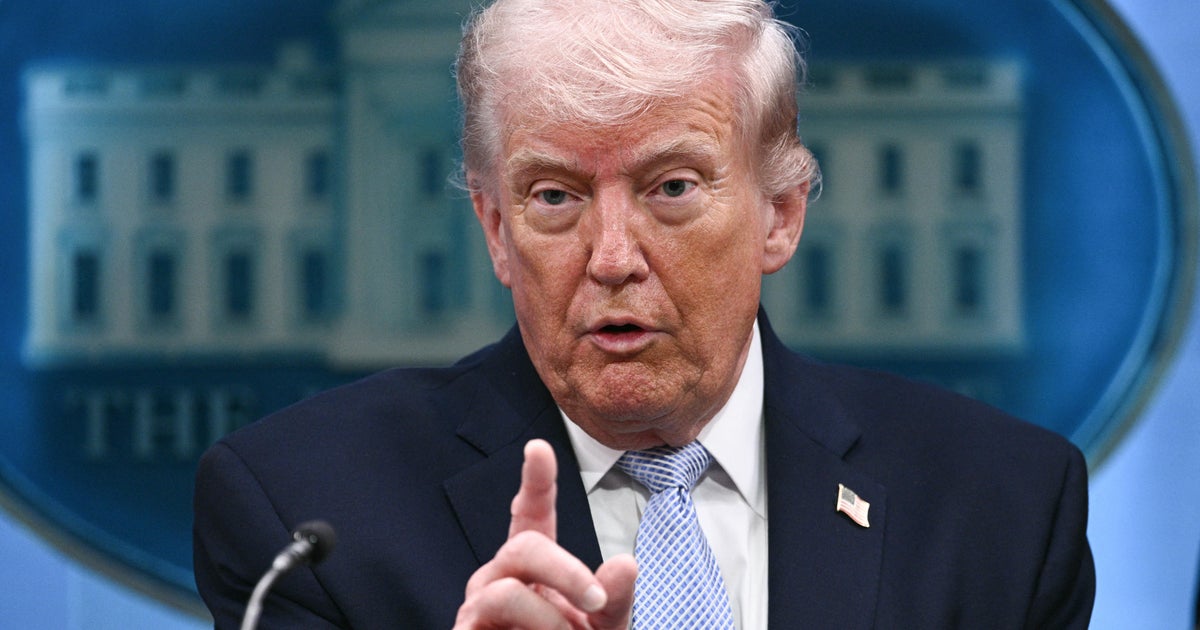
President Donald Trump announced a two-week ceasefire with Iran on Tuesday night, hours after threatening a devastating bombing campaign against the country. The ceasefire, agreed upon at Pakistan’s request, suspends U.S. attacks on Iran contingent on Tehran’s complete, immediate, and safe reopening of the Strait of Hormuz, a vital shipping route for global oil supplies.
Trump wrote on Truth Social that the U.S. has “already met and exceeded all Military objectives” and that the ceasefire would allow time to finalize a long-term peace agreement. He said Iran sent a 10-point peace plan that he described as a “workable basis on which to negotiate.” The plan reportedly calls for the withdrawal of U.S. forces from the region, compensation for damages, lifting of sanctions, and Iranian control over the Strait of Hormuz. Iran’s Supreme National Security Council confirmed negotiations would begin Friday in Islamabad and last two weeks, with possible extensions.
Iranian Foreign Minister Seyed Abbas Araghchi confirmed Iran agreed to halt “defensive operations,” likely referring to drone and missile strikes on U.S. allies, if the U.S. stops attacking Iran. He also said Iran’s armed forces would coordinate safe passage through the strait. Israel supports the ceasefire but clarified it does not cover ongoing fighting with Hezbollah in Lebanon.
The ceasefire announcement came less than two hours before Trump’s self-imposed deadline for Iran to reach a deal or face massive strikes on its power plants and infrastructure. Earlier Tuesday, Trump warned on social media, “A whole civilization will die tonight, never to be brought back again,” escalating his rhetoric. He had threatened to destroy bridges and power plants in Iran if the strait remained closed.
Trump’s threats drew swift condemnation from Democratic leaders and international law experts, who warned that targeting civilian infrastructure would constitute war crimes. House Minority Leader Hakeem Jeffries called Trump’s statement “unhinged” and urged Congress to act to prevent escalation. Senate Minority Leader Chuck Schumer and other Democrats condemned the threats as violations of international humanitarian law. Former CIA analyst Sen. Elissa Slotkin urged military personnel to refuse illegal orders.
Some Republican lawmakers expressed concern or remained silent, while certain Trump allies criticized the president’s approach. Sen. Ron Johnson said he hoped Trump’s threats were bluster and opposed attacks on civilian infrastructure. Former Rep. Marjorie Taylor Greene called for Trump’s removal under the 25th Amendment.
Oil prices dropped sharply after the ceasefire announcement, with U.S. benchmark West Texas Intermediate falling more than 13% to below $92 a barrel. The Strait of Hormuz normally carries about one-fifth of the world’s oil, and its closure had driven prices to multi-year highs.
The U.S. and Israel launched the conflict with Iran on February 28, striking thousands of targets. Iran retaliated with attacks on Israel and U.S. allies in the Gulf. While the ceasefire halts immediate large-scale attacks, major differences remain between the parties, particularly regarding U.S. military presence in the region and Iran’s nuclear program. Iran insists its nuclear activities are peaceful and refuses to halt uranium enrichment, while the U.S. demands Iran abandon all enrichment efforts.
Negotiations beginning Friday in Islamabad will test whether the ceasefire can lead to a lasting resolution or if hostilities will resume.



Be First to Comment