Key takeaways:
- President Trump continues to play golf as a form of relaxation amid the Iran conflict, asserting U.S. military success and a more reasonable Iranian leadership, while the conflict has resulted in U.S. military casualties and disruptions from a partial DHS shutdown.
- Congress remains divided over DHS funding, with Senate and House passing conflicting bills, and criticism directed at lawmakers like Senator Lindsey Graham for perceived insensitivity during the crisis.
- The DOJ is pursuing election-related investigations tied to the 2020 election, amid broader legal controversies and Supreme Court cases on immigration and citizenship, reflecting ongoing political and legal tensions in the U.S.
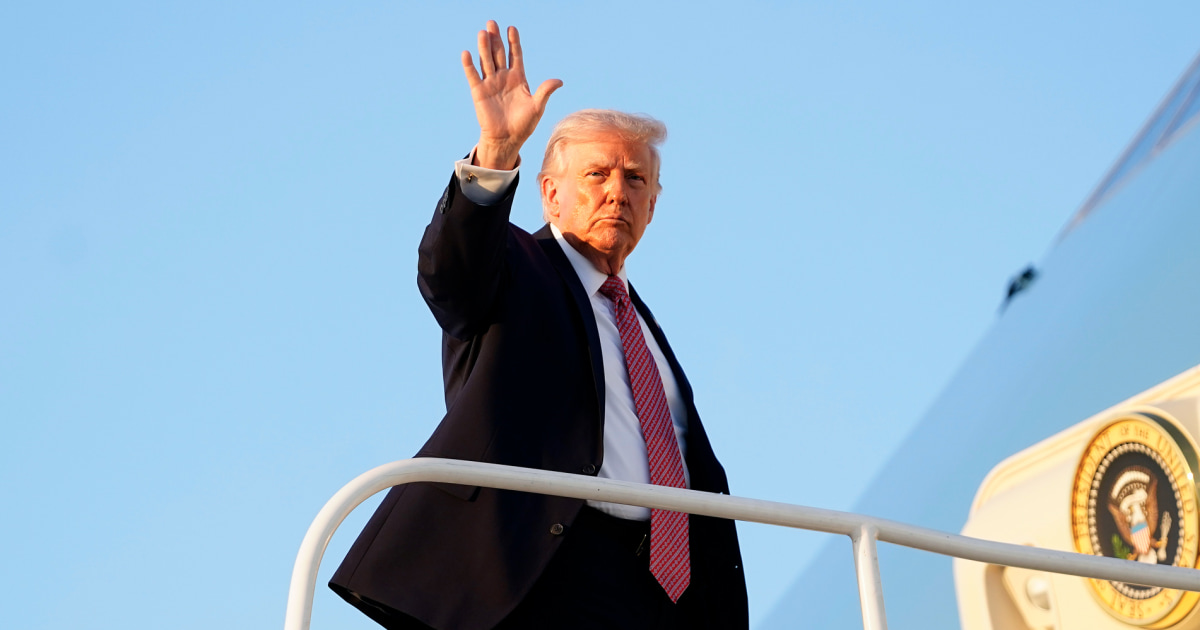
Amid the ongoing conflict involving Iran, President Donald Trump has maintained a routine that includes occasional golf outings, describing the activity as a brief respite from the pressures of his role as commander in chief. In a recent interview with NBC News, Trump characterized golf as “a form of relaxation” and “a little exercise” that helps take his mind off the war for a couple of hours. He asserted that the United States has “decimated” Iran’s military and suggested that the current Iranian leadership is “much more reasonable” than its predecessor, adding, “We’re doing great. And it’s coming to an end.”
Despite the president’s relatively calm demeanor, the conflict has had tangible impacts on Americans. Thirteen U.S. service members have died in combat, with two additional deaths attributed to noncombat causes. Meanwhile, the Department of Homeland Security (DHS) remains partially shut down, causing significant disruptions such as long lines at airport security checkpoints and higher fuel prices. The shutdown has left Transportation Security Administration (TSA) workers unpaid for over 40 days, forcing many to seek assistance from family, friends, and food banks.
The political response to the DHS funding impasse has highlighted divisions within Congress. Senate leaders passed a bipartisan bill to fund most DHS operations except Immigration and Customs Enforcement (ICE) and Customs and Border Protection (CBP), but House Republicans rejected this measure. Instead, the House passed a bill to reopen all agencies for two months, including ICE and CBP, leading to a stalemate. Key figures, such as Senator Lindsey Graham (R-S.C.), who advocated for the war with Iran, have faced criticism for taking personal vacations during the crisis. Graham defended his actions by noting meetings with the president’s special envoy and time spent with friends, but public backlash has underscored a perceived disconnect between lawmakers and the American public.
Separately, developments within the Department of Justice (DOJ) and broader political landscape reveal ongoing efforts related to election integrity and investigations tied to the 2020 presidential election. Attorney General Pam Bondi recently authorized U.S. Attorney Dan Bishop to pursue election-related probes nationwide, focusing on voter-roll data to identify potential illegal registrations or votes cast by noncitizens. This initiative aligns with other actions, including FBI seizures of ballots and voting machines in various states, which critics argue are part of a broader attempt to challenge the legitimacy of the 2020 election and influence upcoming midterm elections. Observers note that these efforts could either continue at a low level, serving political narratives, or escalate into more significant challenges to election administration and democratic processes.
Additional legal and political controversies persist, including a class-action lawsuit by January 6 defendants seeking favorable treatment from the DOJ, scrutiny of the DOJ inspector general’s handling of whistleblower complaints, and disputes over the potential release of investigative files involving Congressman Eric Swalwell. Meanwhile, the Supreme Court is set to hear arguments on President Trump’s executive order regarding birthright citizenship, a topic linked to former legal adviser John Eastman, who is also appealing his disbarment. Immigration enforcement practices continue to draw attention, with reports of ICE presence at military training graduations and court-ordered returns of unlawfully deported individuals. These developments occur against the backdrop of ongoing tensions in the Middle East and domestic political challenges, underscoring a complex and multifaceted national landscape.


Be First to Comment