Key takeaways:
- Attorneys for Tyler Robinson have requested a six-month delay of the preliminary hearing to thoroughly review extensive forensic and digital evidence related to the fatal shooting of Charlie Kirk.
- Robinson faces aggravated murder charges with prosecutors seeking the death penalty; key forensic disputes involve inconclusive ballistics linking the recovered bullet to the alleged murder weapon and complex DNA evidence.
- The defense continues to analyze large volumes of evidence, including audio, video, and data files, while awaiting complete access to ATF case files and FBI bullet analysis; a hearing on banning courtroom cameras is set for April 17.
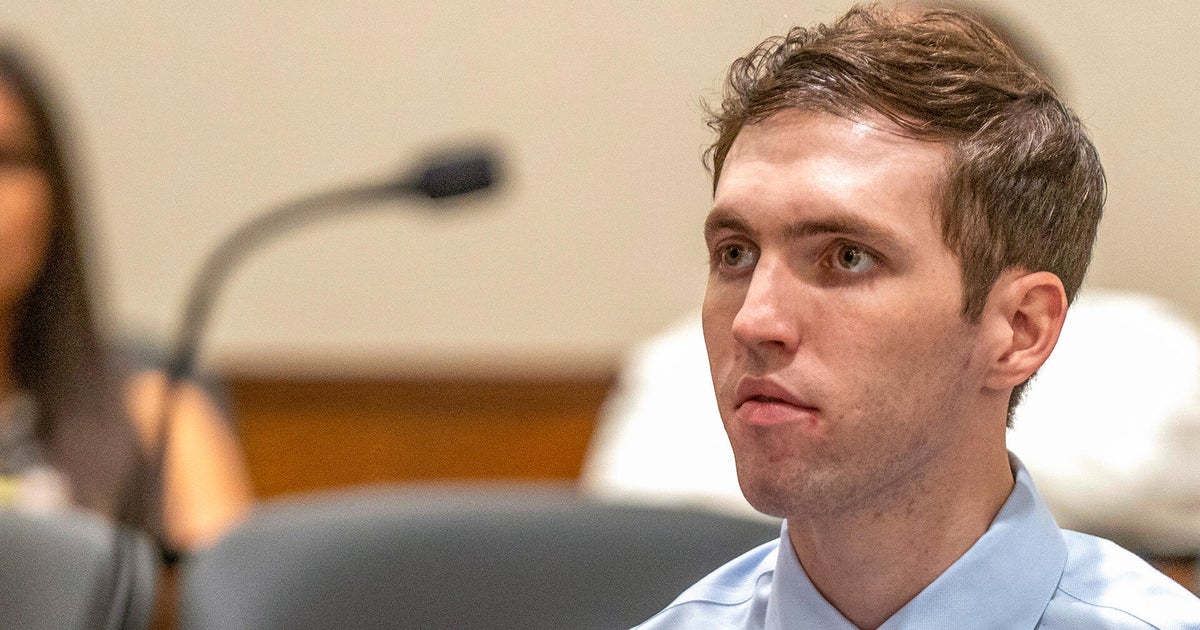
Attorneys representing Tyler Robinson, the man charged with the fatal shooting of conservative activist Charlie Kirk, have requested a six-month delay of the preliminary hearing originally scheduled for May. The defense cited the need for additional time to thoroughly review an extensive volume of evidence, including critical forensic analyses related to the bullet recovered during Kirk’s autopsy and DNA found on the alleged murder weapon. The hearing, which functions as a preliminary assessment of whether sufficient evidence exists to proceed to trial, is now postponed as the defense continues its investigation.
Robinson faces charges of aggravated murder in connection with the September 10, 2025, shooting at Utah Valley University in Orem, Utah. Prosecutors have indicated their intent to seek the death penalty. According to court filings, Robinson has not yet entered a plea. The shooting occurred during an outdoor event where Kirk, a prominent conservative podcaster and activist, was addressing a crowd as part of a national tour for Turning Point USA. Investigators recovered a decades-old German-made bolt-action rifle near the scene, which they allege was the weapon used in the attack.
A key point of contention in the case involves forensic ballistics and DNA evidence. The Bureau of Alcohol, Tobacco, Firearms and Explosives (ATF) conducted an initial analysis of a bullet fragment recovered during Kirk’s autopsy but reportedly could not conclusively link it to the rifle found near the crime scene. The defense has not yet been granted access to the full ATF case file or examination protocols, complicating their ability to independently evaluate the evidence. Meanwhile, the FBI is conducting a secondary bullet analysis and lead composition testing, which remains incomplete. Defense attorneys have stated that, depending on the findings, they may present testimony from the ATF firearm analyst as exculpatory evidence.
In addition to ballistics, DNA evidence has also been a focus. Prosecutors have reported finding DNA consistent with Robinson’s on the rifle’s trigger, the fired cartridge casing, and two unfired cartridges. However, defense lawyers highlight that multiple individuals’ DNA was detected on some items, necessitating a more nuanced analysis. The defense team has also been processing a substantial amount of digital evidence, including 31 hours of audio, 700 hours of video, and 600,000 data files. They estimate that reviewing this material and identifying any missing evidence will require hundreds of hours of work. Robinson is scheduled to return to court on April 17 for a hearing on a motion to ban cameras from the courtroom.

Be First to Comment