Key takeaways:
- Recent challenges in U.S. air travel include TSA staffing shortages and delays caused by the Department of Homeland Security shutdown, which left TSA workers unpaid until a presidential memo mandated back pay.
- Safety concerns have intensified following a fatal midair collision near Washington, D.C., highlighting congested airspace, frequent near-misses between helicopters and commercial flights, and inadequate responses despite repeated warnings from air traffic controllers.
- The combination of political gridlock and airport congestion underscores systemic vulnerabilities in U.S. aviation, prompting calls for comprehensive reforms and increased funding to improve safety and security.
Air travel across the United States has faced significant challenges recently, marked by long security lines, staffing shortages, and heightened safety concerns. The Transportation Security Administration (TSA) experienced a shutdown of the Department of Homeland Security (DHS) beginning February 14, which left TSA workers without pay and contributed to delays at major airports. President Donald Trump signed a memo on Friday directing DHS to pay TSA employees, with back pay expected to begin Monday, following a protracted political impasse in Congress.
The shutdown and its effects on airport operations have drawn mixed reactions from travelers. Many expressed sympathy for TSA agents caught in the funding dispute, while also voicing frustration with political leaders. Lizabeth Garza-García of Fort Worth, Texas, waiting in line at San Diego International Airport, said, “These are the people who are suffering enough,” emphasizing the importance of funding TSA to prevent security lapses. Other travelers, such as Frank and Ruth Oberon from San Diego, acknowledged the difficulties faced by TSA workers and noted acts of kindness like gift card donations to agents. However, opinions on political responsibility varied, with some blaming Congress, others the president, and many criticizing the overall dysfunction in government.
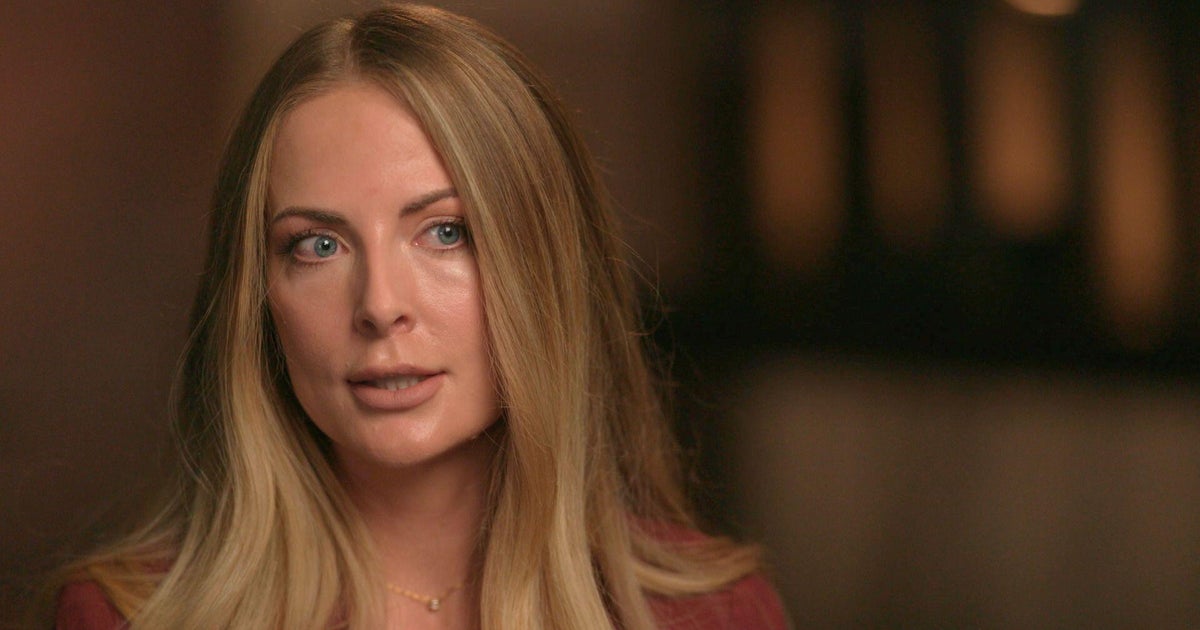
Meanwhile, safety concerns in the aviation system have come to the forefront following a fatal midair collision near Washington, D.C., last year. The crash involved American Airlines flight 5342 and an Army helicopter over the Potomac River, resulting in the deaths of all on board the commercial flight. Emily Hanoka, a former air traffic controller at Ronald Reagan Washington National Airport (DCA), spoke publicly for the first time about the stressed conditions leading up to the accident. Hanoka described a system stretched beyond capacity, with air traffic controllers repeatedly warning the Federal Aviation Administration (FAA) about the risks posed by the congested airspace shared by commercial jets and numerous helicopters.
Documents obtained by 60 Minutes revealed that between 2021 and 2024, there were 85 reported near mid-air collisions between helicopters and commercial aircraft at DCA. Just one day before the fatal crash, two passenger jets had to take evasive action to avoid collisions with Army helicopters. Hanoka noted that despite local safety councils and repeated recommendations from controllers, little was done to address the dangers. The airport, which handles 25 million passengers annually—10 million more than its intended capacity—is uniquely constrained by restricted airspace protecting government buildings, funneling air traffic into narrow corridors. Since 2000, Congress has approved at least 50 additional flights at DCA, further exacerbating congestion and operational pressure.
The combination of political gridlock affecting TSA operations and longstanding safety challenges in the nation’s busiest airports highlights systemic vulnerabilities in U.S. aviation. Families affected by the 2023 crash, including seven widows from southern Maryland, have shared their stories, underscoring the human toll of these issues. As travelers continue to navigate crowded terminals and extended wait times, calls for comprehensive reforms and increased funding for aviation safety and security persist among industry experts and the public alike.



Be First to Comment