Key takeaways:
- Senator Rand Paul is the only Senate Republican opposing President Trump’s military strikes on Iran, citing lack of congressional authorization and emphasizing constitutional checks and balances.
- Paul warned of political and economic risks from escalating conflict, plans to oppose a $200 billion war funding request, and highlighted ongoing fiscal disputes including the prolonged DHS shutdown.
- The DHS shutdown has caused severe TSA staffing shortages, leading to long airport security lines and deployment of ICE agents to assist, with uncertain timelines for restoring normal operations.
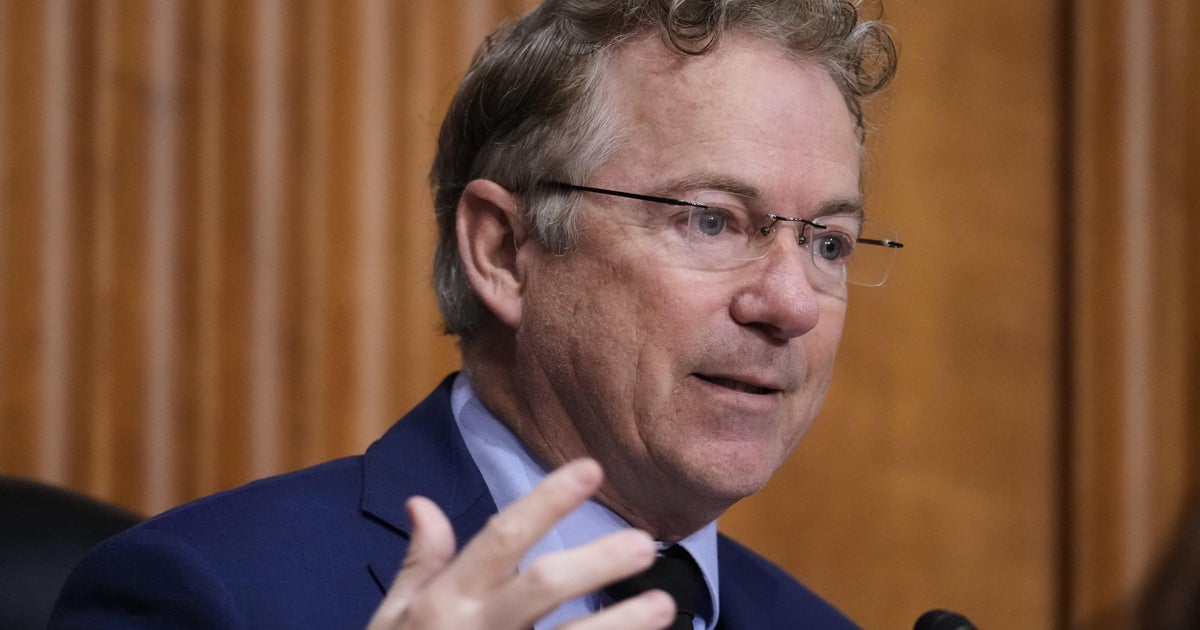
Senator Rand Paul of Kentucky has emerged as the sole Senate Republican opposing President Donald Trump’s recent military strikes against Iran. While most Senate Republicans have expressed support for the president’s actions, Paul criticized the decision for lacking congressional authorization, emphasizing that the Constitution requires legislative approval or an imminent threat before military action can be initiated. Paul framed the issue as a test of Congress’s willingness to assert its constitutional powers, referencing founding father James Madison’s vision of checks and balances between the legislative and executive branches.
Paul, who chairs the Senate Homeland Security Committee, argued that President Trump was influenced by hawkish advisers despite having instincts favoring less military engagement. He warned of significant political and economic consequences if the conflict with Iran escalates, including potential losses for Republicans in upcoming elections. Paul also announced his intention to oppose a supplemental funding request of $200 billion for the war effort, stating that withholding funds could lead to the withdrawal of U.S. troops overseas. He expressed concern that ongoing fiscal disputes, such as the current partial government shutdown affecting the Department of Homeland Security (DHS), would persist, with another budget confrontation expected by the end of September.
The DHS shutdown, now the longest partial government shutdown in U.S. history, has severely impacted airport security operations nationwide. Approximately 500 Transportation Security Administration (TSA) employees have resigned since the shutdown began, and many others have called out of work due to missed paychecks. These staffing shortages have resulted in prolonged wait times at security checkpoints, with some airports experiencing lines lasting several hours. In response, Immigration and Customs Enforcement (ICE) agents have been deployed to assist with airport security tasks, including identification checks and monitoring exit lanes.
Tom Homan, the federal government’s border czar, stated that ICE agents will remain at airports until TSA officers can resume full operations. Speaking on CBS News and CNN, Homan indicated that TSA employees might receive pay by early this week, but the return of ICE agents will depend on how many TSA workers come back and how many have permanently left the agency. The ongoing shutdown has created operational challenges, as training new TSA officers requires four to six months, complicating efforts to restore normal security procedures. Legislative efforts to resolve the DHS funding impasse have so far failed, with House and Senate proposals unable to secure sufficient bipartisan support.


Be First to Comment