Key takeaways:
- European officials and Ukrainian President Zelenskyy accuse Russia of significantly aiding Iran’s military, especially in drone warfare and intelligence sharing, which targets U.S. forces in the Middle East and impacts conflicts in Ukraine.
- Intelligence reveals Russian satellites monitored Saudi Arabia’s Prince Sultan Air Base before an Iranian attack, with Russia allegedly providing signals and electronic intelligence to Iran, while Ukraine shares anti-drone technology with Gulf states facing Iranian threats.
- The Russia-Iran military cooperation strains U.S. defense resources, complicates diplomatic peace efforts between Ukraine and Russia, and raises concerns about potential redirection of Western military aid from Ukraine to Middle Eastern allies.
European officials and Ukrainian President Volodymyr Zelenskyy have raised concerns about Russia’s involvement in supporting Iran’s military activities, particularly in targeting U.S. forces in the Middle East. According to multiple sources, including European diplomats and intelligence reports, Russia is providing Iran with significant assistance that goes beyond what the United States has publicly acknowledged. This cooperation includes sharing intelligence and technological expertise, especially in drone warfare, which has implications for conflicts in both Ukraine and the Middle East.
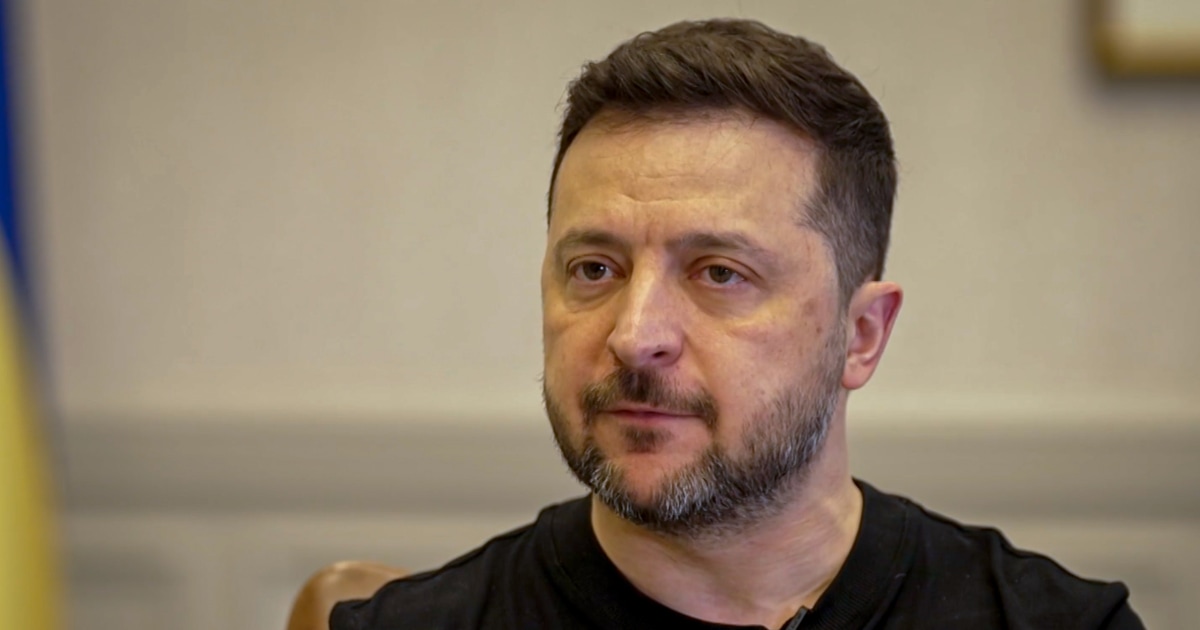
A U.K. official told CBS News that Russian-Iranian defense collaboration has expanded substantially in recent years. The United Kingdom believes Iran transferred Shahed drones and production knowledge to Russia, enhancing Iran’s drone capabilities and enabling Russia to deploy these drones in Ukraine. France’s Foreign Minister Jean-Noël Barrot described the relationship as “two-way cooperation,” suggesting that Russia supports Iran’s military efforts, particularly those directed at American targets. Ukraine’s President Zelenskyy echoed these concerns, stating he has “irrefutable evidence” that Russia is providing signals and electronic intelligence to Iran.
Zelenskyy further detailed intelligence indicating that Russian satellites captured images of the Prince Sultan Air Base in Saudi Arabia multiple times shortly before Iran launched an attack on the facility on March 26, wounding several American troops. He expressed confidence that Russia is actively sharing such intelligence with Iran to facilitate strikes against U.S. forces in the region. While Russia’s Foreign Minister Sergey Lavrov denied providing intelligence to Tehran, he acknowledged ongoing military equipment transfers under their longstanding alliance. Zelenskyy also highlighted Ukraine’s efforts to share its advanced anti-drone technology with Gulf states, including Saudi Arabia and Qatar, which have faced increased Iranian missile and drone attacks.
The growing cooperation between Russia and Iran has raised concerns about the potential diversion of U.S. military resources. There is high demand among Israel, Gulf allies, and Ukraine for American-made missile interceptors to defend against Iranian attacks. U.S. Senator Marco Rubio stated that, so far, the supply of defensive equipment to Ukraine has not been negatively impacted by Middle Eastern demands, though he acknowledged that future reallocations could occur if necessary. Zelenskyy expressed worry about the possibility of U.S. weapons being redirected away from Ukraine but emphasized the critical importance of continued Western support for his country’s defense.
The intertwining conflicts in Ukraine and the Middle East have also affected diplomatic efforts. Zelenskyy noted that the war in Iran has further stalled U.S.-brokered peace talks between Ukraine and Russia. He indicated that Russia has been unwilling to negotiate in neutral venues outside the United States, despite offers from the U.S. mediation team. Zelenskyy remains open to talks in locations such as Turkey or Switzerland but ruled out meetings in Russia or Belarus, citing their alliances with Moscow. He also commented on U.S. policy priorities, suggesting that American leaders are focused primarily on domestic interests amid these complex international conflicts.



Be First to Comment