Key takeaways:
- The conflict between the U.S., Israel, and Iran has intensified with ongoing military actions, rejected peace proposals, and continued diplomatic talks described as “productive” by the White House, alongside warnings from President Trump about severe retaliation if negotiations fail.
- The U.S. is increasing its military presence in the Middle East by deploying troops from the 82nd Airborne Division, while key strategic locations like Kharg Island—vital for Iran’s oil exports—are heavily targeted, raising concerns about potential economic disruption and conflict escalation.
- International actors, including the UN and Russia, have called for de-escalation and dialogue, warning of broader regional instability and humanitarian crises, as Iran vows to defend its territory and global markets react with volatility due to the ongoing tensions.
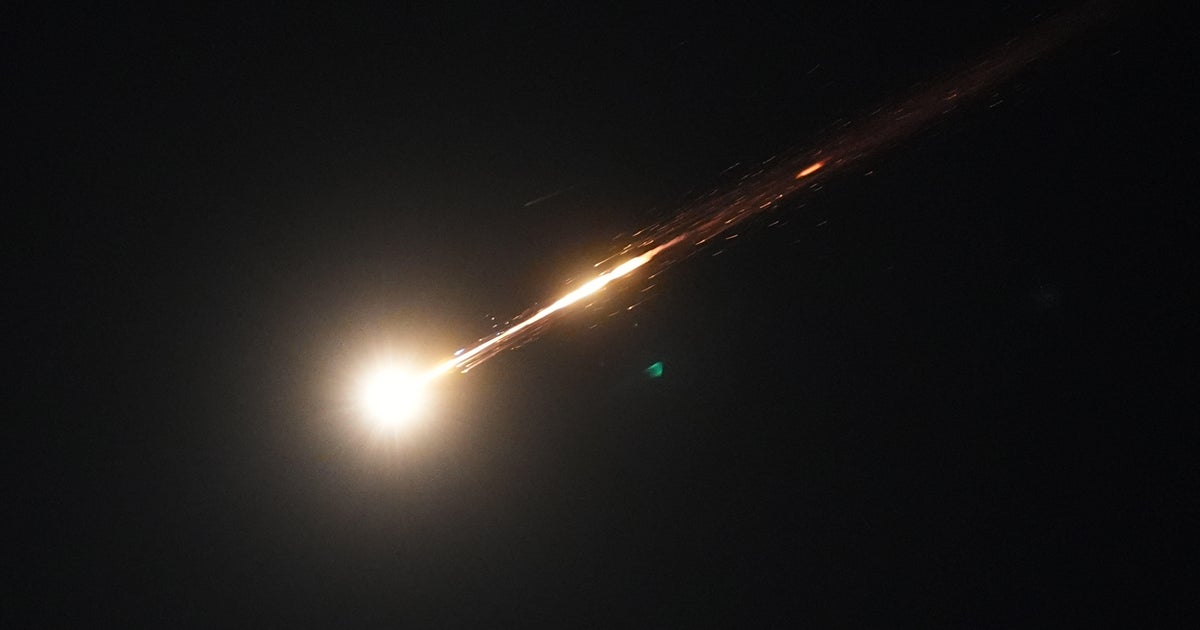
The ongoing conflict between the United States, Israel, and Iran has entered its fourth week, marked by escalating military actions and diplomatic tensions. Iran’s state-owned Press TV reported that Tehran has rejected a 15-point peace proposal sent by the Trump administration through an intermediary, though it is still reviewing terms for potential negotiations. White House Press Secretary Karoline Leavitt confirmed that talks remain ongoing and described them as “productive,” despite Iranian media reports of rejection. Leavitt warned that President Donald Trump is prepared to “unleash hell” on Iran if a peace deal is not reached, emphasizing that the U.S. president “does not bluff” and that Iran should not miscalculate.
Meanwhile, the Pentagon is reportedly deploying additional troops and equipment from the Army’s 82nd Airborne Division to the Middle East, signaling a bolstered U.S. military presence in the region. This move comes as President Trump considers the possibility of using ground forces in what he claims is a war already won. The buildup has drawn mixed reactions, with House Speaker Mike Johnson stating that Operation Epic Fury is “almost done” and that no boots are currently on the ground, though he acknowledged the importance of the troop deployment as a warning to Iran. Johnson also highlighted the need for international cooperation to secure the Strait of Hormuz, a vital maritime passage currently closed due to the conflict.
A focal point of the conflict is Kharg Island, a strategically significant coral island located less than 20 miles off Iran’s coast in the Persian Gulf. Kharg Island serves as the primary export hub for over 90% of Iran’s oil, making it a critical economic asset. The U.S. and Israeli military campaign has targeted more than 90 sites on the island, including air defenses and naval bases. President Trump has not ruled out a ground invasion of Kharg Island, which experts say could cripple Iran’s economy and disrupt global oil markets. However, analysts caution that such an operation carries significant risks and could escalate the conflict further. The island, home to thousands of residents and extensive oil infrastructure, is heavily fortified despite Trump’s characterization of it as “totally unprotected.”
The conflict has also drawn international concern. United Nations Secretary-General Antonio Guterres called for an immediate end to hostilities, describing the war as “out of control” and warning of the potential for a wider regional conflict with severe humanitarian and economic consequences. Guterres urged both Israel and Hezbollah to cease attacks and emphasized the need for dialogue initiatives to succeed. On the ground, Iranian officials have warned against U.S. troop deployments, with parliamentary speaker Mohammad Bagher Ghalibaf stating that Iran is closely monitoring U.S. movements and will defend its territory. Russia, an ally of Iran, expressed hope that threats of a ground invasion would remain rhetorical. As the situation develops, markets have shown volatility, with oil prices fluctuating amid concerns over supply disruptions and geopolitical risks.





Be First to Comment