Key takeaways:
- An internal DHS report revealed that TSA’s 2025 policy allowing passengers to keep shoes on during screening may compromise threat detection, but TSA has not responded to the findings nearly five months later.
- The DHS classified the red team audit findings as Top Secret, limiting access and preventing TSA leadership from addressing vulnerabilities, while Inspector General requests to lift restrictions remain unanswered.
- Ongoing DHS funding lapses have caused TSA staffing shortages and operational strain, with congressional negotiations on DHS funding and immigration enforcement reforms facing significant partisan challenges.
A recent internal report from the Department of Homeland Security’s (DHS) Office of Inspector General has raised significant concerns about vulnerabilities in the Transportation Security Administration’s (TSA) airport screening procedures, particularly related to a policy change allowing passengers to keep their shoes on during security checks. The report, which involved undercover “red team” testing designed to simulate attempts to bypass security with weapons or explosives, identified that the 2025 shoes-off policy may have outpaced the current technology’s ability to detect threats concealed in footwear. Despite these findings, the TSA has yet to formally respond to the report nearly five months after its release, according to internal communications reviewed by CBS News and shared with the House Homeland Security Committee.
The situation has been complicated by a rare decision within DHS to classify the key findings of the red team audit as Top Secret, restricting access to only 13 individuals across the government, including just three members of Congress and notably excluding TSA leadership. This restriction has prevented TSA officials from engaging with the report’s findings or implementing corrective actions. Inspector General Joseph Cuffari has repeatedly requested that DHS lift these dissemination limits to allow TSA to address the vulnerabilities, but these requests have gone unanswered. As a result, the audit’s recommendations remain “open and unresolved,” and the oversight process has stalled, raising concerns about national security implications.
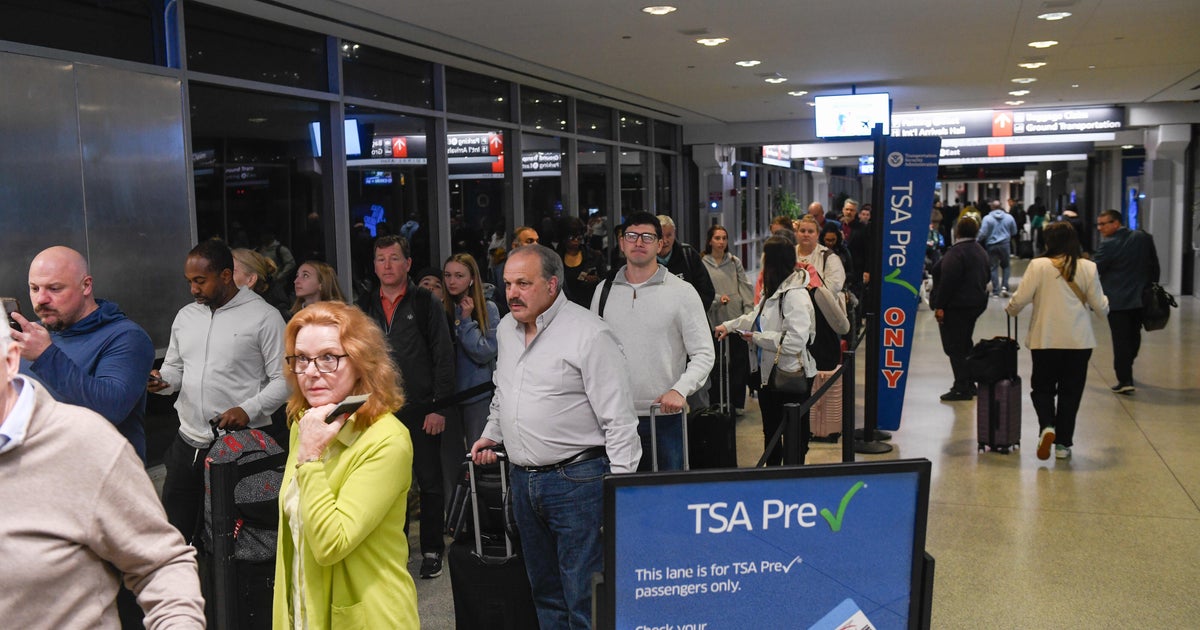
The TSA is currently facing additional operational challenges amid a prolonged DHS funding lapse that has left TSA agents unpaid for 40 days and contributed to the departure of over 450 officers. This staffing shortage has further strained airport security operations nationwide. Meanwhile, efforts to resolve the DHS funding impasse have intensified in Congress. Senate Republicans recently proposed a plan to fund most DHS components except for Immigration and Customs Enforcement (ICE) removal operations, following a White House meeting where they reportedly secured President Donald Trump’s support to drop his previous demand that the SAVE America Act be passed before any DHS funding deal.
However, the proposed funding deal faces significant hurdles. Senate Democrats have insisted that any DHS funding agreement include meaningful reforms to immigration enforcement practices, particularly targeting abuses by ICE officers. They have submitted a counterproposal emphasizing these reforms, while criticizing the Republican offer for lacking any changes to ICE operations. Additionally, divisions within the Republican caucus cast doubt on the likelihood of passing a budget reconciliation bill, which would allow funding to pass with a simple majority. Some Republican senators have expressed skepticism about the reconciliation approach, citing difficulties in securing enough votes and concerns over including controversial provisions such as the SAVE America Act, a voter suppression bill that may not meet strict budgetary rules required for reconciliation.
The ongoing DHS shutdown and the stalled response to the TSA security vulnerabilities underscore the complex challenges facing national security and immigration policy in the current political environment. With TSA operations under strain and congressional negotiations fraught with partisan disagreements, the resolution of these issues remains uncertain in the near term.




Be First to Comment