Key takeaways:
- Initial Iranian optimism about U.S.-Israeli strikes turning into despair due to lack of a coordinated international strategy and Iran exploiting strategic advantages like control over the Strait of Hormuz.
- Disillusionment among Iranians who once supported the conflict as a path to liberation, with concerns about prolonged violence and the absence of a unified internal opposition to the regime.
- Diplomatic efforts remain stalled amid increased Iranian demands and indirect talks, highlighting entrenched positions and the complexity of reaching a peaceful resolution.
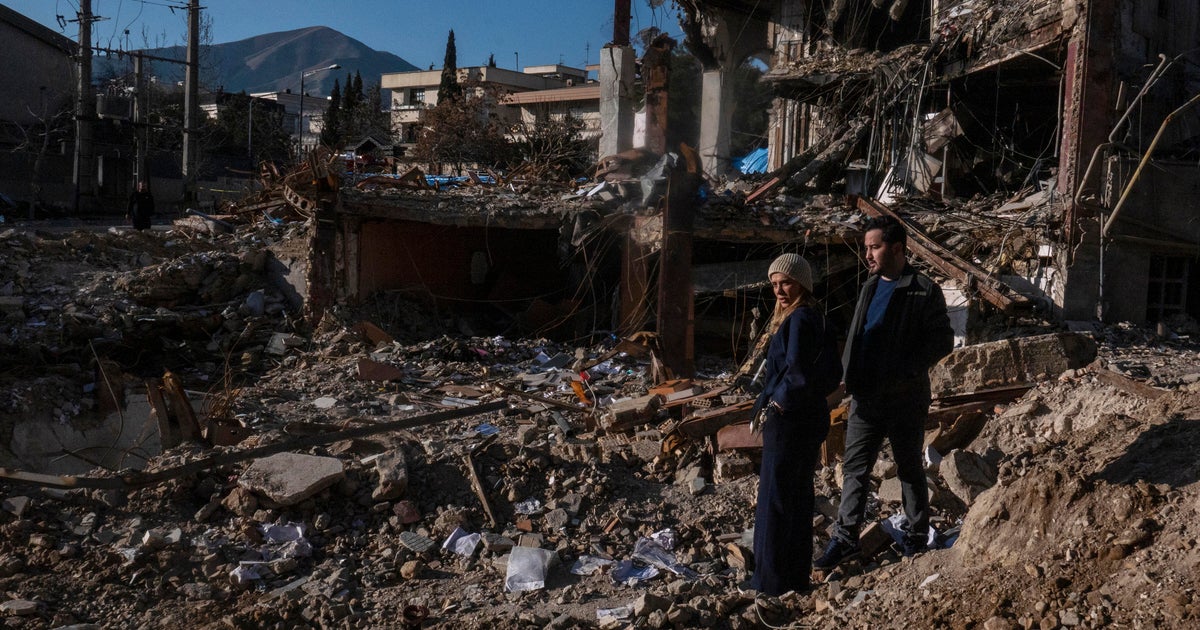
After nearly a month of escalating conflict between Iran and the United States, some Iranians who initially welcomed foreign intervention now express a sense of despair about the prospects for positive change. The joint U.S.-Israeli strikes against Iran began 25 days ago amid hopes among certain segments of the Iranian population that such actions might end the Islamic Republic’s nearly five-decade rule. However, interviews with Iranians both inside and outside the country reveal a shift from optimism to a more pessimistic outlook.
Reza, a British-Iranian speaking to CBS News under a pseudonym, described a growing realization among Iranians that unilateral military actions without a comprehensive, coordinated international strategy are unlikely to succeed. “If we had a world situation where Europe and the rest of the world was more orchestrated and together, collectively, with a plan that combined a number of things, both force and diplomacy and sanctions and discussions, all kinds of things — long-term plan — then that could have worked with this regime,” he said. Reza added that Iran appears to be exploiting perceived weaknesses in U.S. strategy, particularly by leveraging control over the Strait of Hormuz, a critical global shipping route.
Inside Iran, Amir, another interviewee who also requested anonymity, echoed this sentiment of disillusionment. He noted that many who initially supported the war as a means to liberate the country from what they view as a theocratic dictatorship are now reconsidering their stance. “Many people that were pro-war, and they supposed war could be liberator, liberate them from the despotism in Iran and theocratic despotic regimes, now they are thinking twice and revising,” Amir said. He anticipated “hellish weeks to come” as both the Iranian regime and the Trump administration engage in brinkmanship. Amir also highlighted the lack of a unified opposition within Iran, casting doubt on calls from the U.S. and Israeli leaders for internal uprisings to overthrow the regime.
Meanwhile, diplomatic efforts appear to be at a stalemate. Despite President Donald Trump’s recent claims of “very, very strong talks” with Tehran, reports indicate that these discussions are preliminary and indirect, aimed primarily at encouraging Iran to engage in dialogue. According to a Reuters report, Iran has significantly increased its demands since the conflict began, including guarantees against future attacks, reparations for war damages, and formal control over the Strait of Hormuz. These heightened demands complicate prospects for a negotiated resolution and suggest that Tehran is leveraging its strategic position to extract concessions.
As the conflict continues, the situation remains fluid with no clear exit strategy in sight. Observers note that both sides appear entrenched, with the Iranian government consolidating its position and the U.S. administration facing challenges in balancing its objectives with the realities on the ground. The evolving dynamics underscore the complexity of the conflict and the difficulties in achieving a peaceful resolution.





Be First to Comment