Key takeaways:
- Delta Air Lines has temporarily suspended special services for members of Congress at airports due to TSA staffing shortages caused by the ongoing U.S. government shutdown.
- The TSA workforce faces severe challenges, including high callout rates, unpaid work, financial hardships, and mental health concerns among employees.
- The administration has deployed ICE agents to assist with airport security, while airlines and unions urge Congress to restore funding and end the shutdown soon.
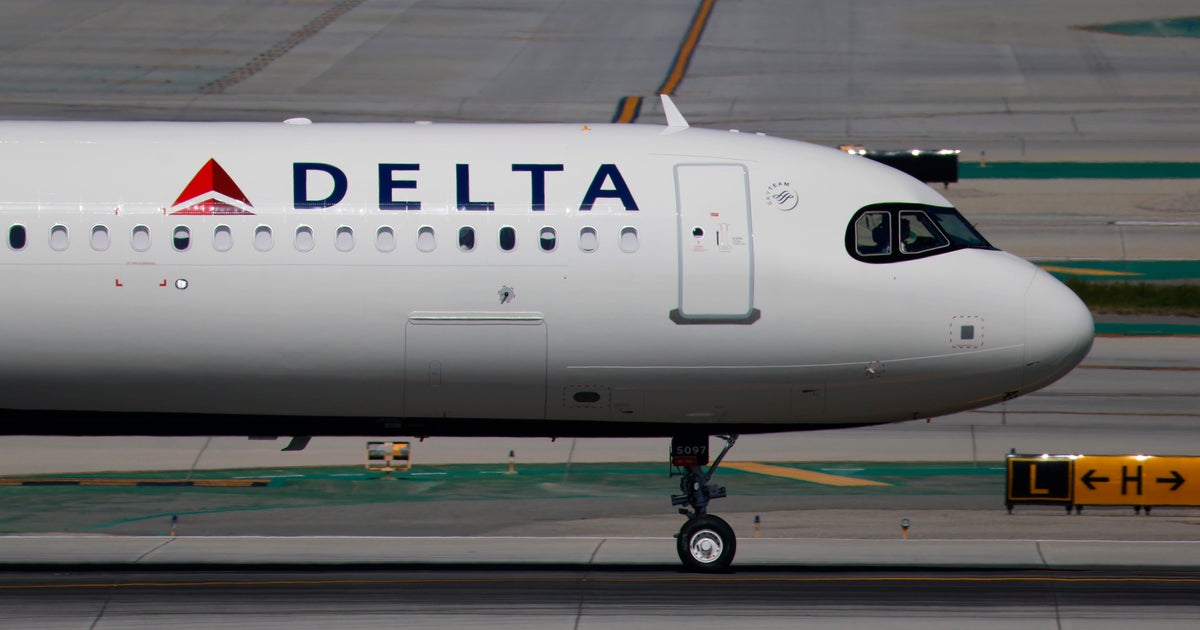
Delta Air Lines has announced a temporary suspension of special services provided to members of Congress at airports, citing the ongoing strain caused by the partial U.S. government shutdown. The airline’s decision comes amid widespread staffing shortages and operational challenges faced by the Transportation Security Administration (TSA), which has been without funding for several weeks due to a budget impasse between the White House and Congress. Delta’s statement on Tuesday emphasized that, aside from safety, its top priority is supporting its employees and customers, a task made increasingly difficult under current conditions.
Members of Congress typically receive expedited screening, airport escorts to bypass long security lines, and access to dedicated reservation desks that facilitate last-minute travel changes. With the suspension of these specialty services, lawmakers traveling on Delta will now encounter the same delays and inconveniences as other passengers. While some members may still benefit from airline loyalty programs such as SkyMiles, this will no longer be linked to their government status. The move reflects the broader impact of the shutdown on airport operations, where security lines have grown so long that travelers have waited over four hours to clear screening checkpoints.
The TSA workforce has been severely affected by the shutdown, with many employees working without pay. As of Monday, the national callout rate—employees calling in sick or unable to work scheduled shifts—stood at nearly 11%. Certain airports have experienced even higher rates, including Houston’s William P. Hobby Airport at 40.3% and Hartsfield-Jackson Atlanta International Airport at 37.4%. TSA workers have reported financial hardships, including late rent fees, bank penalties, and difficulties affording basic necessities. Unions representing these employees have highlighted the emotional and economic toll, with some workers resorting to selling plasma or facing hunger. Union leaders have also expressed concern over mental health, noting that some employees have contemplated suicide due to financial stress.
In response to the staffing crisis, the administration deployed Immigration and Customs Enforcement (ICE) agents to assist with some airport security tasks, allowing trained TSA officers to focus on screenings. However, union representatives criticized this move, arguing it does not address the underlying issue of unpaid wages. Meanwhile, airlines such as Southwest have expressed concern over the situation and urged Congress to restore funding for the TSA and Customs and Border Protection (CBP) promptly. The Senate is reportedly nearing a deal to fund most of the Department of Homeland Security and end the shutdown, with Senate Republicans submitting a formal offer to Democrats and expressing optimism about resolving the impasse in the coming days. Passengers and airport staff alike continue to call on lawmakers to reach an agreement to restore full government operations and alleviate the ongoing disruptions.

Be First to Comment